





Think Vertically, Not Horizontally
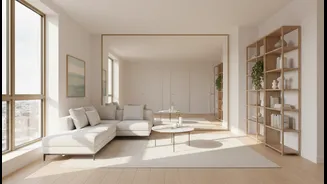
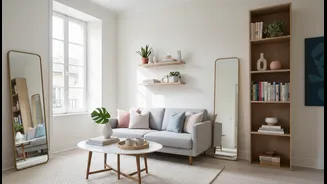
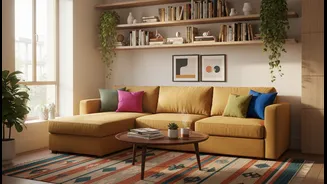
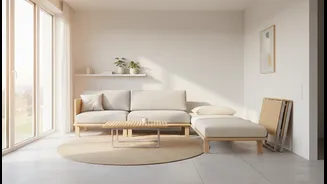
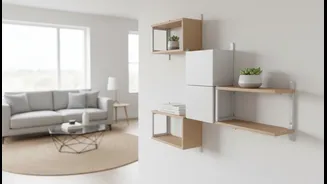
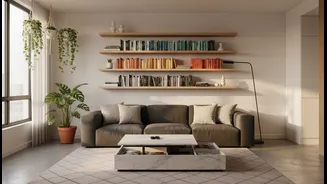
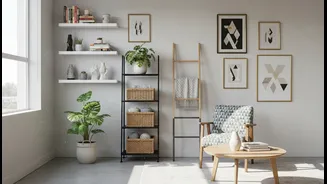
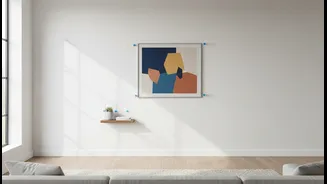
When floor space is limited, the only way to go is up. Your walls hold immense, often untapped, potential for storage. Instead of bulky, floor-standing units, opt for tall, narrow bookshelves, ladder-style shelves, or floating shelves. These draw the eye
upward, creating a sense of height and spaciousness. In the kitchen, wall-mounted racks for spices or utensils can free up precious counter space. In bedrooms, consider installing shelves above the headboard for books or decorative items. The key is to get items off the floor and onto the walls, turning unused vertical space into a functional storage asset.
Invest in Multi-Functional Furniture
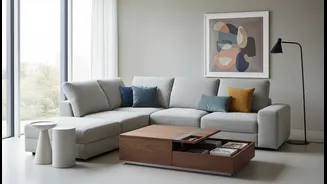
In a small apartment, every piece of furniture must earn its place. Multi-functional furniture is a game-changer for urban Indian homes where optimising space is crucial. Think of a sofa that converts into a bed, perfect for hosting overnight guests without needing a separate guest room. An ottoman with hidden storage can hold magazines, remote controls, or extra cushions, while also serving as a footrest or extra seating. Coffee tables with lift-tops can double as a dining surface or a work-from-home desk. These smart pieces reduce the need for multiple single-purpose items, instantly decluttering your home and making it more adaptable.
Utilise Hidden Storage Spaces
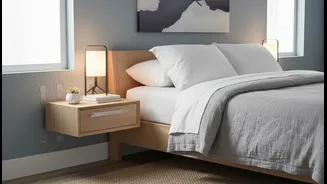
Some of the best storage spots in an apartment are the ones you can't immediately see. The space under your bed is a prime example. Instead of letting it collect dust, use hydraulic lift beds or designated under-bed drawers or boxes on wheels to store seasonal clothing, extra bedding, or luggage. The area above your toilet is another often-ignored zone perfect for a cabinet or shelves to hold toiletries. Similarly, the space inside cabinet doors can be fitted with hooks or small organisers for cleaning supplies or personal care products. By seeking out and using these hidden nooks, you can store a surprising amount of stuff out of sight.
Divide and Conquer Your Drawers
A cluttered drawer can be just as stressful as a cluttered room. The solution is simple: drawer dividers. These inexpensive inserts can transform a chaotic kitchen drawer into a perfectly organised space for cutlery. In the bedroom, they can neatly separate socks, ties, and underwear, making your morning routine much smoother. For your desk, dividers help keep stationery, cables, and other small items in their designated place. This method stops you from having to rummage through a jumble of items, saving you time and frustration while ensuring every small object has a home.
Create a 'Landing Strip' by the Entrance
Clutter often begins the moment you walk through the door. Keys get tossed on the dining table, mail piles up on a counter, and bags are dropped on the floor. To combat this, create a designated 'landing strip' near your entrance. This can be as simple as a small console table with a bowl for keys, a tray for mail, and a few wall-mounted hooks for bags and jackets. Having this organised entry point prevents clutter from spreading into the rest of your apartment and establishes a tidy habit from the moment you get home.
Decant and Label for Uniformity
Visual clutter can make a space feel smaller than it is. In the kitchen, a jumble of different-sized packets and boxes of dal, rice, and spices can look messy. The solution is to decant these items into uniform, clear containers. This not only creates a clean, aesthetically pleasing look but also allows you to stack items more efficiently, saving valuable shelf space. Add neat labels so you can easily identify contents. The same principle can be applied in the bathroom for items like cotton balls and liquid soaps, creating a spa-like sense of order.
Adopt the 'One In, One Out' Rule
Ultimately, the most effective organisation trick is to control the amount of stuff you own. A simple but powerful rule to live by is 'one in, one out'. Every time you bring a new item into your home—be it a piece of clothing, a book, or a kitchen gadget—an old one must go. This prevents the slow accumulation of belongings that leads to clutter. It forces you to be more mindful about your purchases and helps maintain the organised space you've worked so hard to create. This isn't about stark minimalism, but about conscious consumption and keeping your home a comfortable, functional sanctuary.