





So, What Exactly Are Ceramides?
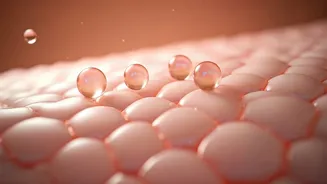
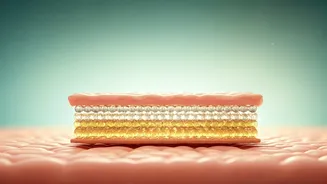
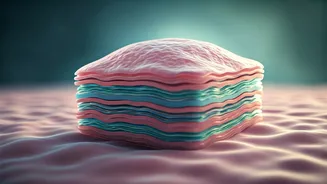
Think of your skin as a brick wall. The skin cells are the bricks, and the lipids (fats) between them are the mortar holding everything together. Ceramides are a major component of that mortar, making up about 50% of your skin’s outer layer (the stratum
corneum). They are waxy lipid molecules that are absolutely crucial for forming a protective layer that holds in moisture and shields your skin from environmental aggressors like pollution and bacteria. Unlike trendy acids or extracts that target specific issues, ceramides are a fundamental part of your skin's natural structure. They aren't an 'extra'—they are a non-negotiable for healthy skin function.
The Skin Barrier's Best Friend
When your ceramide levels are optimal, your skin barrier is strong and healthy. This means your skin can effectively retain water, leading to a hydrated, plump, and smooth appearance. A strong barrier also prevents irritants, allergens, and pollutants from penetrating the skin, reducing the likelihood of sensitivity, redness, and inflammation. However, our natural ceramide production depletes over time due to ageing, sun damage, and the use of harsh skincare products. When this 'mortar' weakens, cracks appear in the skin barrier, allowing moisture to escape (a process called transepidermal water loss) and irritants to get in. This is why a compromised barrier often feels dry, tight, itchy, or looks flaky and red.
Why Is Everyone Talking About Them Now?
While ceramides have been used in dermatology for decades, their recent explosion in popularity is no accident. There's a growing consumer understanding that a healthy skin barrier is the foundation of all good skincare. For years, the focus was on aggressive exfoliation and high-strength actives, which can sometimes damage the barrier. Now, the pendulum has swung towards 'skinimalism' and barrier repair. We’ve realised that if your barrier is compromised, other active ingredients like retinol or vitamin C won't work as effectively and may even cause more irritation. Ceramides are the heroes of this new philosophy because they repair and support the skin, making it more resilient and better prepared to handle other powerful ingredients.
How Do I Know If I Need Them?
Almost everyone can benefit from ceramides, but they are particularly vital if you're experiencing signs of a weakened skin barrier. Do you find your skin feels constantly dry or tight, even after moisturising? Do you struggle with redness, sensitivity, or conditions like eczema or rosacea? Have you perhaps been over-exfoliating with chemical or physical scrubs? These are all tell-tale signs that your ceramide levels may be low. As we enter our 30s and 40s, our skin naturally produces fewer ceramides, making them an essential anti-ageing ingredient for maintaining skin elasticity and hydration. They are gentle, skin-identical, and universally beneficial.
Adding Ceramides to Your Routine
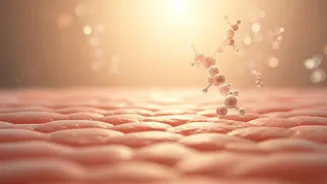
Incorporating ceramides into your daily regimen is simple. Look for them on the ingredients list—you might see 'ceramide AP', 'ceramide EOP', or 'ceramide NP'. They are most effective in leave-on products like moisturisers, serums, and lotions, as this gives them time to absorb and replenish the skin barrier. For very dry or compromised skin, a rich ceramide cream used as the last step in your evening routine can work wonders overnight. The best part? Ceramides are team players. They work beautifully with almost every other skincare ingredient, including hyaluronic acid (for extra hydration), niacinamide (for calming and pore-refining), and even potent actives like retinol and AHAs, as they help mitigate potential irritation.