





The Double Challenge Explained
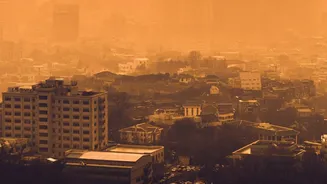
We are all familiar with the individual challenges. First, there's the Urban Heat Island (UHI) effect, where concrete and asphalt in our cities absorb and radiate the sun’s heat, making urban areas significantly hotter than their rural surroundings. Then
there's the monsoon, which brings not just rain but also soaring humidity. The new danger scientists are flagging is the collision of these two phenomena. When high heat meets high humidity, it creates a far more lethal threat than either one alone. This combination is turning what used to be merely uncomfortable summer days into a serious public health crisis, especially in India’s rapidly growing cities.
The Science of Survival: Wet-Bulb Temperature
The core of the problem lies in how our bodies cool down: by sweating. When sweat evaporates from our skin, it takes heat with it. But for evaporation to happen, the surrounding air needs to be able to absorb the moisture. When humidity is high, the air is already saturated, and sweat can't evaporate effectively. Your body's natural air conditioning system fails. Scientists measure this combined stress using a metric called 'wet-bulb temperature'. Once the wet-bulb temperature exceeds 35°C, even a healthy person resting in the shade can no longer cool down, leading to a rapid rise in core body temperature, which can result in heatstroke, organ failure, and death within hours.
Why Indian Cities Are Ground Zero
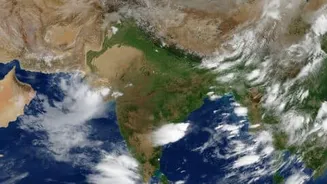
Indian cities are uniquely vulnerable to this double threat. Rapid, often unplanned urbanisation has led to a dense concentration of heat-trapping buildings and roads, coupled with a loss of cooling green spaces and water bodies. This UHI effect can raise city temperatures by several degrees. When the moisture-laden monsoon winds arrive, this elevated heat allows the air to hold even more humidity, pushing wet-bulb temperatures into the danger zone. Studies show that moist heatwaves are becoming more frequent and intense, particularly in coastal regions and the densely populated Indo-Gangetic plains. Cities like Delhi, Ahmedabad, and those in Kerala are emerging as hotspots for this hazardous combination.
A Silent Health Crisis
The health impacts of humid heat are severe and often underestimated. The strain on the body to cool itself puts immense pressure on the cardiovascular system, increasing the risk of heart attacks, especially in vulnerable individuals. It also worsens respiratory conditions like asthma. The most at-risk populations are outdoor workers, the elderly, children, and those living in informal settlements without access to air conditioning. Unlike dry heat, the danger from humid heat can be deceptive, as the air temperature alone might not seem extreme. However, the body's inability to cool down leads to heat exhaustion, dehydration, and potentially fatal heatstroke. Experts warn that many heat-related deaths are likely misclassified, masking the true scale of the problem.
Building a Cooler Future
Tackling this double challenge requires a two-pronged approach. On a city-wide level, urban planners and policymakers must focus on mitigation strategies. This includes increasing green cover by creating parks and urban forests, restoring water bodies, and promoting 'cool roofs'—using reflective materials or coatings that absorb less heat. Ahmedabad's Heat Action Plan, which incorporates early warning systems and public cooling centres, is often cited as a model. On a personal level, awareness is key. It's crucial to stay hydrated, avoid strenuous outdoor activity during peak heat hours, and seek cool shelter whenever possible. Recognising the early warning signs of heat stress—such as dizziness, headache, and intense thirst—can be lifesaving.