




When Your Standard GPS Fails
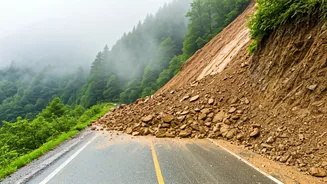
Imagine this: you're driving through the ghats or the winding roads towards a Himalayan hill station. Your GPS shows a clear path, but just around the corner, a fresh landslide has blocked the road. This is a common and dangerous scenario. Commercial
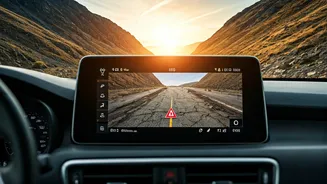
mapping services like Google Maps or Apple Maps are brilliant for navigating traffic in a city, but they struggle with the dynamic, unpredictable nature of mountain disasters. Their data is updated periodically, not in real-time response to a rockfall or a washed-out bridge. They rely on official road closure data which can be slow to update, leaving travellers vulnerable to outdated and unsafe information. During an emergency, relying solely on these apps can lead you directly into a blocked route, miles from any help.
The Power of the Crowd: Decentralized Mapping
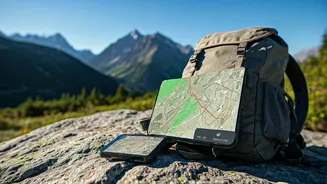
So, what’s the alternative? The answer lies in “decentralized map forums.” This isn’t a single brand or app, but a concept powered by people. Think of it as a digital version of word-of-mouth warnings from fellow travellers and locals. These platforms thrive on real-time, user-generated content. When a driver encounters a landslide, they can instantly update a map, post a photo in a forum, or drop a pin on a shared platform. This information is then immediately available to everyone else in the network. Examples range from dedicated platforms like the Humanitarian OpenStreetMap Team (HOT) projects, which are activated during crises, to more informal but highly effective networks like regional travel forums, Telegram channels, or WhatsApp groups dedicated to specific routes like the Manali-Leh highway.
How to Find and Use These Resources
Finding these forums requires a little proactive effort before your trip. Start by searching online for travel forums specific to your destination (e.g., “Uttarakhand road status forum”). Social media is also a powerful tool; look for Facebook groups or Twitter accounts of local police departments, district administrations, and seasoned travel communities that provide frequent updates during peak travel and monsoon seasons. Apps like Waze are built on this crowdsourcing principle, allowing users to report hazards in real-time. The key is to find platforms where information is constantly being updated by a community of active users. A post from five minutes ago about a clear road is far more valuable than a generic green line on a standard map.
Best Practices for Safe Navigation
Using these tools effectively requires a critical eye. First, always cross-reference information. If one source says a road is open, see if you can find corroborating posts or updates from another user or platform. Pay close attention to timestamps—a report from yesterday is almost useless after a night of heavy rain. Second, contribute when you can, but only if it's safe to do so. A quick, clear post (“NH5 near Rampur blocked by rockfall at 2 PM”) can save others from hours of trouble. Third, download offline maps of the region before you lose connectivity. This way, even if you can’t get live updates, you’ll still have a baseline map to understand your location and potential alternate routes. Finally, use this information to plan, not to take risks. Knowing about a blockade early allows you to wait it out safely in a town rather than being trapped on an exposed road.
A Tool, Not a Guarantee
It is crucial to remember that crowdsourced information is a powerful supplement, not a replacement for official guidance and common sense. User-generated data can sometimes be inaccurate, misinterpreted, or simply outdated by the time you see it. A road that was clear an hour ago could be blocked now. Always prioritise directives from local authorities, police, and disaster management teams on the ground. If they say a road is closed, believe them, regardless of what an app might suggest. These decentralized tools empower you to make more informed decisions, but they don't remove the inherent risks of mountain travel during volatile weather. The ultimate goal is to enhance your situational awareness, not to encourage risky behaviour.