







What Exactly is Zone Two Cardio?
Zone 2 cardio is steady, moderate-intensity exercise. Think of it as the 'conversational pace'. It's the level of effort where your breathing is deeper, but you can still hold a conversation without gasping for air. If you can easily chat as if you were
sitting still, you're likely in Zone 1. If you can only manage one or two words, you're pushing into higher intensity zones. The goal of Zone 2 is not exhaustion but sustainability. It's about maintaining a level of activity for a longer duration, typically 30 minutes or more. Physiologically, this is the zone where your body becomes incredibly efficient at using fat for fuel, which has profound benefits for metabolic health and endurance.
Why It's a Perfect Fit for a Desk Job
A sedentary lifestyle, common for those in office jobs, is linked to numerous health risks. Zone 2 cardio directly counters this by building your 'aerobic base'—the foundation of your cardiorespiratory fitness. For an office worker, this translates to tangible benefits. It improves mitochondrial function, which means your body gets better at producing energy. This can lead to reduced fatigue, better cognitive function, and more stable energy levels throughout the workday, helping you avoid that mid-afternoon slump. Furthermore, because it's a lower-intensity workout, it puts less strain on your joints and reduces the risk of injury, making it easier to be consistent without feeling battered and sore. You can train in Zone 2 several times a week without the burnout associated with high-intensity workouts.
How to Find Your Zone
While lab tests using lactate meters are the most precise way to find your Zone 2, they aren't necessary for most people. The 'talk test' is the simplest and most practical method: you should be able to speak in full sentences, but the person on the other end should know you are exercising. For those who prefer numbers, a common starting point is to calculate 60% to 70% of your maximum heart rate. A rough estimate for your max heart rate is 220 minus your age, though this can vary significantly based on individual fitness. Using a heart rate monitor from a chest strap or fitness watch can help you stay in the right range once you've determined your target.
Putting It Into Practice
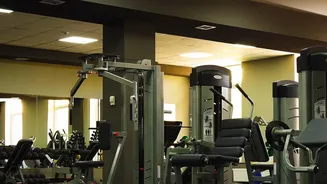
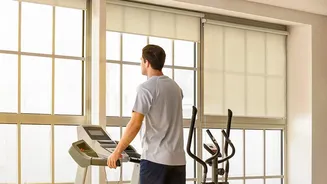
The beauty of Zone 2 cardio is its accessibility. You don't need a fancy gym membership or complex equipment. A brisk walk can absolutely be a Zone 2 workout, especially if you include hills or a slight incline on a treadmill. Other excellent options include steady cycling (outdoors or on a stationary bike), using an elliptical machine, or even light jogging. The key is to find an activity you can sustain at a consistent, moderate pace. Stationary bikes and ellipticals are particularly good because they make it easy to maintain a steady heart rate with minimal joint impact.
From an Occasional Workout to a Lifelong Habit
The hardest part of any fitness plan is consistency. The goal is to make exercise a non-negotiable part of your routine, like any other important appointment. Start small. Aim for two or three Zone 2 sessions of 30 to 45 minutes per week. Don't feel you have to do it all at once; even breaking it up can be effective. Schedule your workouts in your calendar to protect that time. To make the habit stick, link it to an existing part of your day, such as right after work or during your lunch break. The key is to build a routine that feels manageable, not overwhelming. Over time, as your fitness improves, you can gradually increase the duration or frequency of your sessions.