




The Appeal of the Digital Drill Sergeant
The rapid spread of home workout challenges isn't just about convenience; it’s rooted in psychology. At their core, these challenges tap into our desire for structure, community, and gamification. In a world of endless workout options, a challenge provides
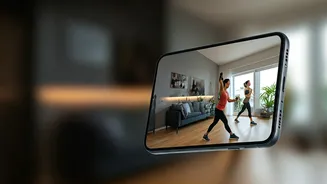
a clear path: a defined goal (e.g., 100 push-ups a day), a fixed timeline (e.g., 21 days), and a sense of daily accomplishment. Posting progress with a specific hashtag connects you to a virtual community of people on the same journey, creating a sense of shared struggle and collective motivation. This digital camaraderie, combined with the satisfaction of ticking off a box each day, makes fitness feel less like a chore and more like a game you can win.
The Good: Motivation on Demand
For many, the biggest barrier to fitness is simply starting. Workout challenges solve this by removing decision fatigue. You don't have to wonder what to do; the plan is already set. This accessibility is a huge plus, offering a structured entry point for beginners or a way for seasoned gym-goers to shake up their routine. Many popular challenges, like those created by influencers such as Chloe Ting or MadFit, require little to no equipment, making them incredibly budget-friendly. The built-in progression can also lead to real results, boosting confidence and fostering consistency. When you see tangible improvements in your strength or endurance over a few weeks, it creates a powerful positive feedback loop that can build lasting habits.
The Risks: Form, Burnout, and Comparison
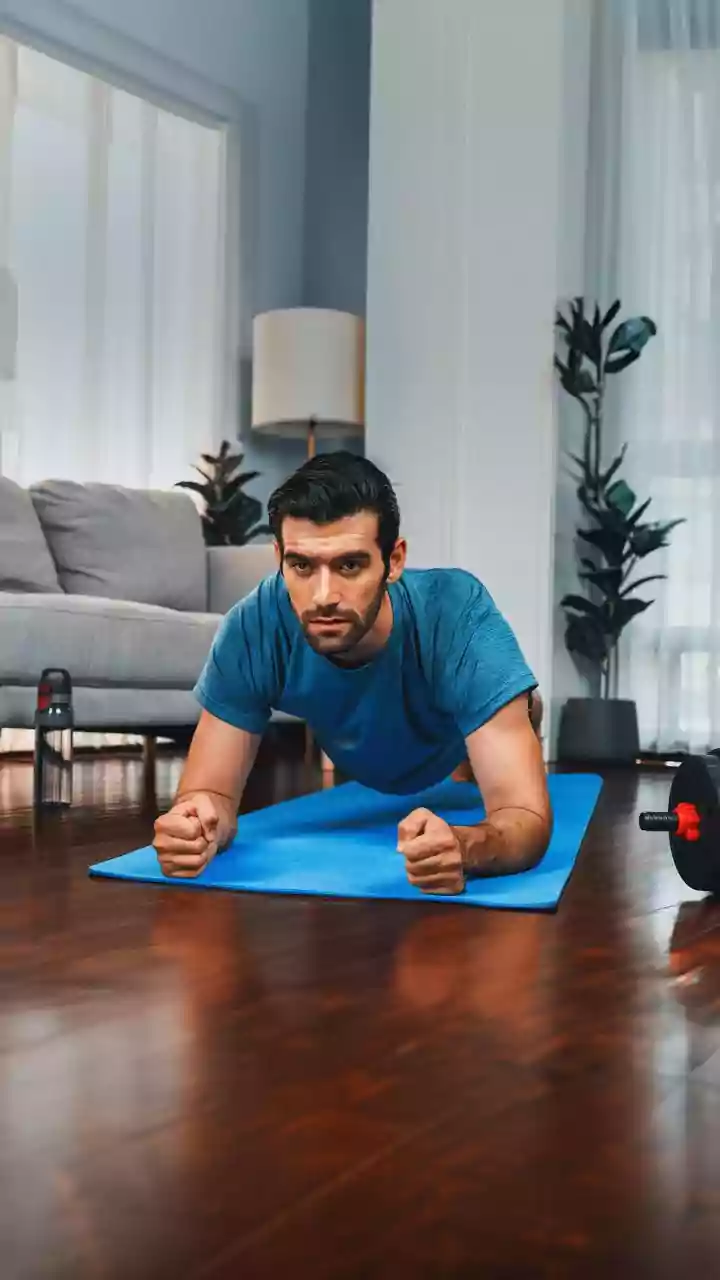
However, the one-size-fits-all nature of these challenges is also their biggest flaw. They are not personalised. A routine that works for a 25-year-old fitness influencer may be inappropriate or even dangerous for a 45-year-old beginner with a history of knee pain. Without a trainer to correct posture, participants are at a high risk of performing exercises with poor form, leading to strains, sprains, and other injuries. Furthermore, many challenges promote an 'all or nothing' mentality. A '7-day shred' or '30-day abs' challenge might encourage overtraining without adequate rest, leading to physical burnout and mental exhaustion. The social media aspect also breeds comparison, where users may push themselves too hard to match the seemingly effortless progress of others, ignoring their own body's signals.
How to Pick a Challenge Wisely
If you’re tempted to try a home workout challenge, a smart approach can help you reap the benefits while minimising the risks. First, vet the creator. Is it a certified personal trainer or a physiotherapist, or just an influencer with good genetics? Look for creators who offer modifications for different fitness levels and emphasise proper form over speed and intensity. Second, be realistic. A two-week challenge won't give you a completely new body, but it can kickstart a healthier routine. Choose a challenge that aligns with your current fitness level, not your ultimate goal. Finally, give yourself permission to modify. If a certain exercise causes pain, skip it or find an alternative. If the schedule calls for seven days of workouts, consider building in an extra rest day. The plan is a guide, not a command.
Listening to Your Body Is the Real Goal
The most successful fitness journeys are marathons, not sprints. While challenges are excellent for short-term motivation, their greatest value is in teaching you about your own capabilities and limits. Pay close attention to how your body feels. Are you getting stronger, or just more sore? Are you feeling energised, or constantly drained? Use the challenge as an opportunity to learn different exercises and discover what you enjoy. The ultimate goal isn't to perfectly complete a 30-day plan designed by a stranger, but to build a sustainable relationship with movement that serves you for years to come.