



An Ancient Philosophy of Efficiency
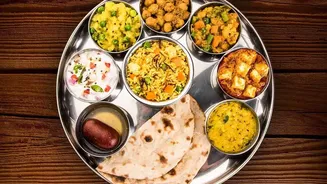
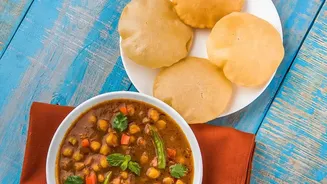
Long before trendy hashtags and glossy cookbooks, the kitchens of India mastered the art of creating wholesome, flavourful meals in a single vessel. This wasn't just about convenience; it was a deeply ingrained culinary wisdom. Cooking grains, lentils,
and vegetables together was an efficient use of fuel and time. More importantly, it allowed flavours to meld and infuse in a way that separate cooking could not achieve, creating dishes that were both nutritionally complete and deeply satisfying. This method represents a philosophy of harmony, where ingredients are not just combined but are transformed together into something greater than the sum of their parts.
Khichdi: The Original Comfort Food
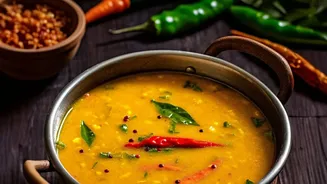
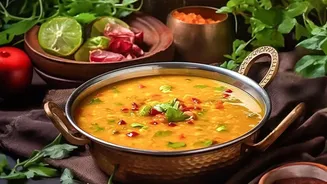
Any discussion of Indian one-pot meals must begin with Khichdi. Its history is as rich and comforting as the dish itself. The name is derived from the Sanskrit word 'khiccā,' which means a dish of rice and legumes. References to dishes resembling Khichdi can be found in ancient texts, and it has been a staple across the subcontinent for millennia. The Greek ambassador Seleucus noted the popularity of rice and pulse dishes in India as far back as 305 BC. From a baby's first solid food to a restorative meal for the unwell, Khichdi is versatility in a bowl. Its regional variations are vast, from the bajra-based versions in Rajasthan to the festive bhog'er khichuri in Bengal and the spicy keema Khichdi of Hyderabad.
Beyond Khichdi: Aromatic Rice Creations
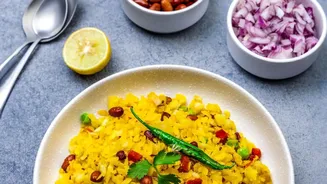
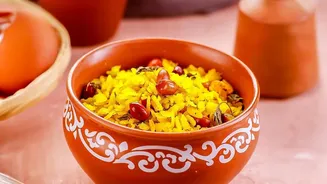
While Khichdi is the undisputed champion, the world of Indian one-pot rice dishes is incredibly diverse. Take Tehri, a fragrant yellow rice dish from the Awadh region of Uttar Pradesh. Believed to have been created for vegetarian bookkeepers in the royal courts, it involves cooking rice with vegetables and spices, offering a lighter but equally flavourful alternative to biryani. Pulao, in its many forms, also fits this mould. Unlike biryani, where rice and meat or vegetables are often cooked separately and then layered, a good pulao sees all the ingredients cooked together, allowing the rice to absorb the aromas of whole spices, vegetables, and sometimes meat, right from the start.
Southern Gems: The Richness of Lentils and Rice
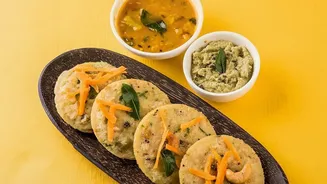
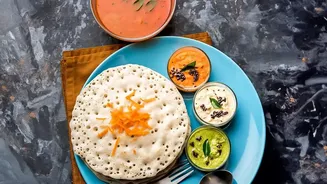
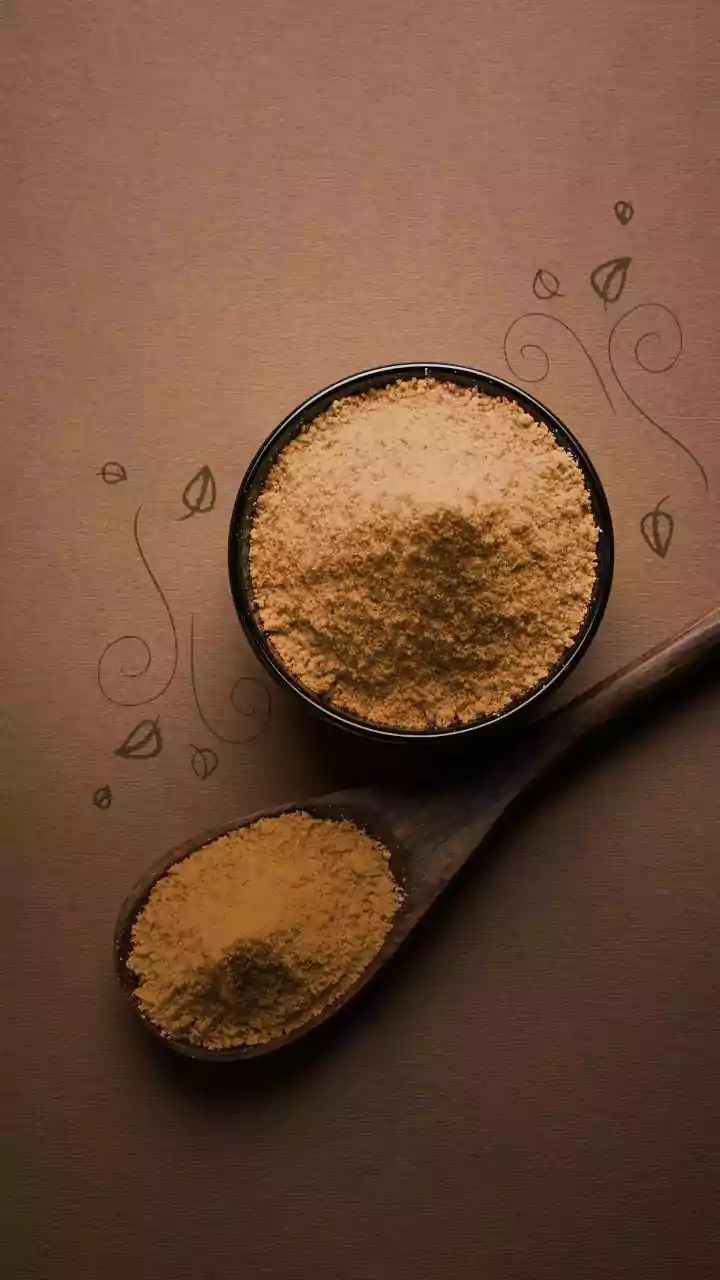
The South of India boasts its own spectacular array of one-pot wonders. Karnataka’s Bisi Bele Bath, which translates to 'hot lentil rice dish,' is a prime example. Said to have originated in the royal kitchens of the Mysore Palace, it’s an elaborate and spicy medley of rice, toor dal, vegetables, tamarind, and a special spice powder. It is a symbol of harmony, bringing together numerous ingredients into one perfectly balanced meal. Similarly, Tamil Nadu has its Sambar Sadam, where rice and sambar are cooked together, creating a dish that is quicker than Bisi Bele Bath but equally comforting. Then there is Ven Pongal, a creamy mixture of rice and moong dal, tempered with black pepper, cumin, and ghee, often served as a temple offering or a hearty breakfast.
A Return to Roots
Today, as more people rediscover the joys of home cooking and seek out efficient, healthy meal options, the one-pot meal is seeing a major revival. But for many in India, it's not a revival but a continuation of a practice that never left. These dishes are a testament to a culinary heritage that has always prioritized nutrition, flavour, and practicality. Understanding these 'original' one-pot meals adds a new layer to our appreciation of Indian food. It’s a reminder that the solutions we seek for our modern lives often lie waiting in the wisdom of our own traditions.