



The Spiritual Goal of Fasting
The practice of fasting, or 'vrat' and 'upvas', on Janmashtami is more than just abstaining from food; it is a spiritual discipline. The purpose is to cleanse the body and mind, reduce worldly distractions, and focus one's energy on devotion to Lord Krishna.
The word 'upvas' itself means 'to reside near,' suggesting an effort to draw closer to the divine. By simplifying meals, devotees aim to spend more time in prayer, chanting, and reflection. While some observe a strict 'nirjala' fast without food or water, many follow a 'phalahar' diet, consuming specific foods like fruits and dairy.
Why Onion and Garlic Are Avoided
The exclusion of onion and garlic from Janmashtami meals, and many other Hindu religious occasions, is rooted in Ayurvedic and spiritual classifications of food. According to these traditions, foods are categorized into three gunas or qualities: Sattva (purity, harmony), Rajas (passion, activity), and Tamas (ignorance, lethargy). Onion and garlic are considered 'Rajasic' and 'Tamasic'. It is believed that these foods can increase restlessness and mental dullness, hindering the spiritual focus required during a fast. A 'sattvic' diet, which is light and pure, is preferred to keep the mind calm and devoted.
The Strict No to Non-Vegetarian Food
During Janmashtami, a strict vegetarian diet is observed, and all non-vegetarian foods, including meat, fish, and eggs, are completely avoided. This practice aligns with the core principle of a sattvic lifestyle, which emphasizes purity and non-violence (ahimsa). Consuming non-vegetarian items is considered tamasic, believed to introduce negative energies and distract from the spiritual purpose of the festival. The focus is on clean, simple, plant-based and dairy-based nutrition that supports a state of physical and mental purity.
The Surprising Ban on Grains and Pulses
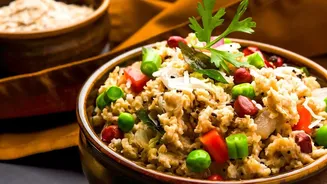
One of the less obvious rules for many observing the Janmashtami fast is the avoidance of all grains and pulses. This includes common staples like wheat, rice, oats, lentils, and beans. The reasoning is that these foods are often harder to digest, and the body expends significant energy in processing them. By avoiding these, the digestive system gets a rest, which is believed to help detoxify the body and redirect that energy toward spiritual activities. Additionally, regular table salt is substituted with rock salt, or 'sendha namak', which is considered a purer, unprocessed alternative suitable for fasting.
So, What's on the Menu?
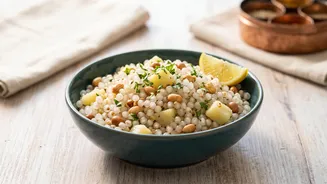
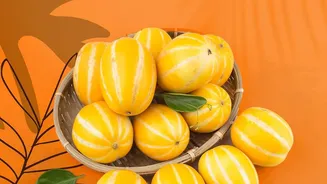
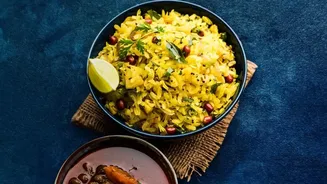
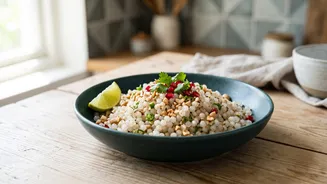
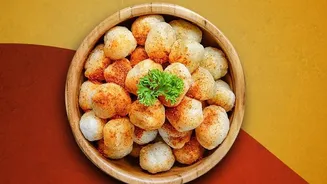
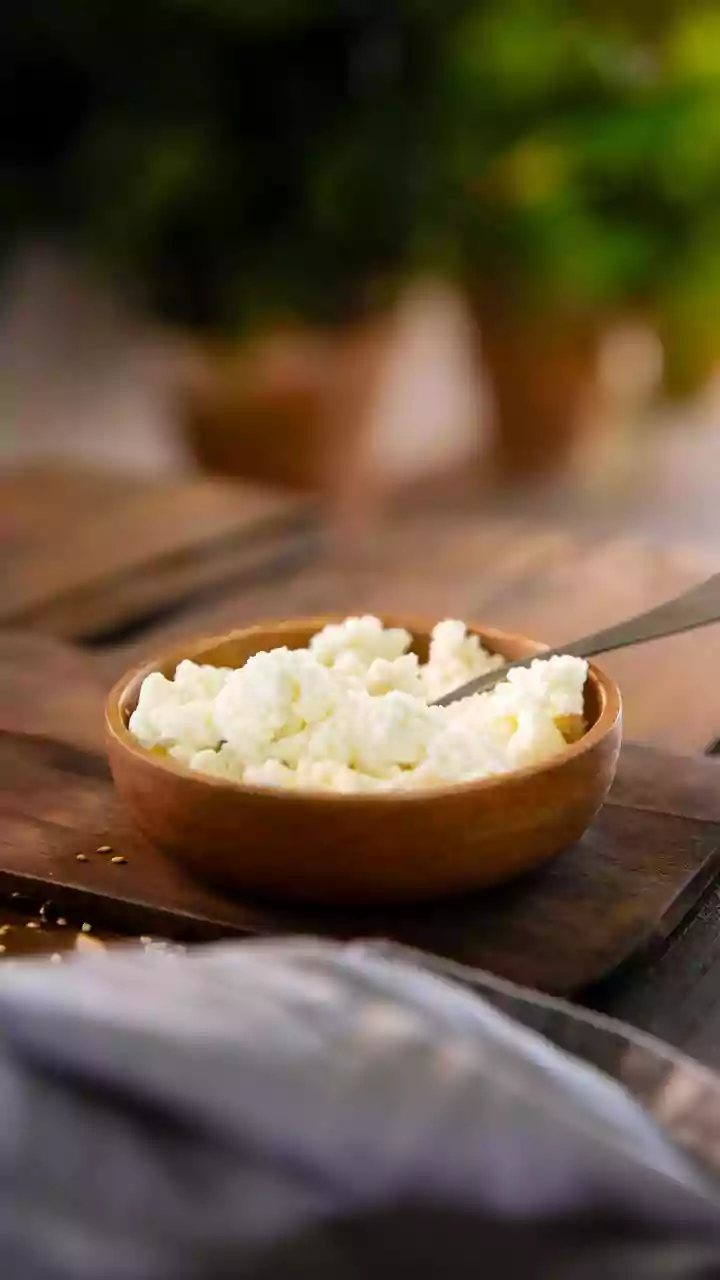
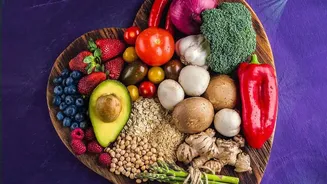
Despite the restrictions, the Janmashtami 'phalahar' diet is diverse and flavourful. Permitted foods typically include all kinds of fruits, milk and dairy products like curd, paneer, and ghee. For starch, devotees turn to alternatives like sabudana (tapioca pearls), kuttu ka atta (buckwheat flour), singhara ka atta (water chestnut flour), and samak rice (barnyard millet). Vegetables such as potatoes, sweet potatoes, pumpkin, and bottle gourd are widely used. These ingredients are used to prepare a variety of festive dishes, from Sabudana Khichdi and Kuttu ki Puri to fruit salads and milk-based sweets like kheer.
Traditional Janmashtami Delights
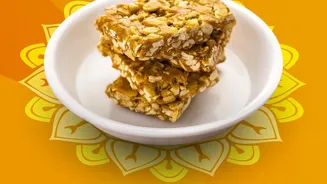
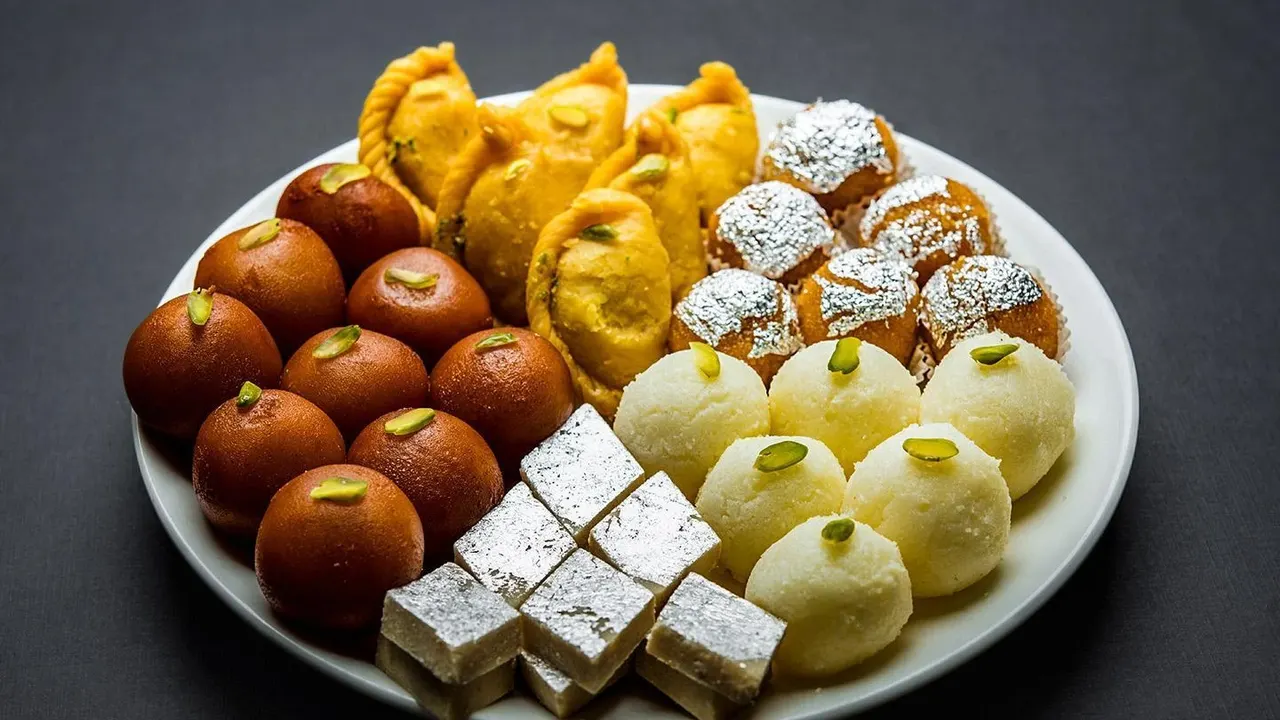
The fast culminates at midnight, marking Lord Krishna’s birth, after which prasad is offered and the fast is broken. The offerings often feature Lord Krishna's favourites, like Makhan Mishri (fresh white butter with rock sugar) and Panjiri, a mixture of roasted coriander powder, ghee, sugar, and nuts. Other popular preparations include milk-based sweets like peda, sabudana kheer, and various types of halwa. These dishes are not just about feeding the body but are prepared as a loving offering, imbued with devotion and festive spirit.