

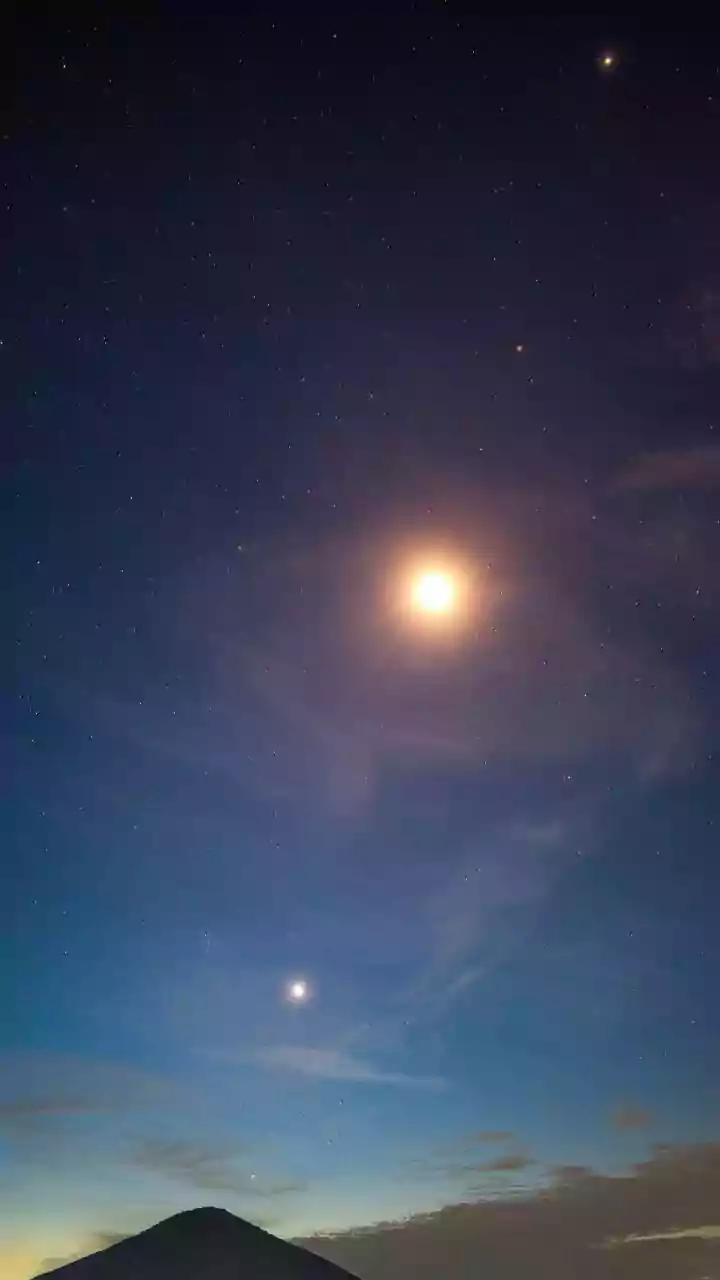



October's Twin Meteor Showers
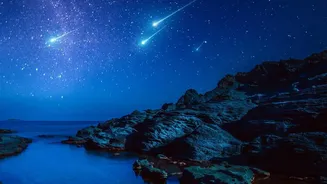
October offers a double feature for meteor lovers. First up are the Draconids, peaking on the evening of October 9th. This is a family-friendly shower because its best viewing time is right after dusk, rather than in the early morning hours. While it's
typically a minor shower with 5 to 10 meteors per hour, the moon will not be a problem, and the Draconids have been known to surprise with sudden outbursts. Later in the month, look for the Orionids on the night of October 21-22. These are bits of debris from the famous Halley's Comet. You can expect to see up to 20 fast and bright meteors per hour under ideal conditions. While a bright moon will interfere in the evening, it will set after midnight, leaving the pre-dawn hours dark for a potentially excellent show.
November: Planets Align and Leonids Fly
November brings a beautiful planetary conjunction and a historically significant meteor shower. On the night of November 15-16, the planets Jupiter and Mars will appear incredibly close to each other in the sky. The pair will rise around midnight in the eastern sky, with brilliant white Jupiter and reddish Mars making for a stunning naked-eye sight. The very next night, November 16-17, marks the peak of the Leonid meteor shower. While the moon will be partially full, the Leonids are worth watching because they are among the fastest and brightest meteors of any shower. They are known for producing fireballs and persistent trains that can linger in the sky for several seconds. November's clear, post-monsoon skies across much of India provide an excellent backdrop for this event.
December: The Grand Finale Geminids
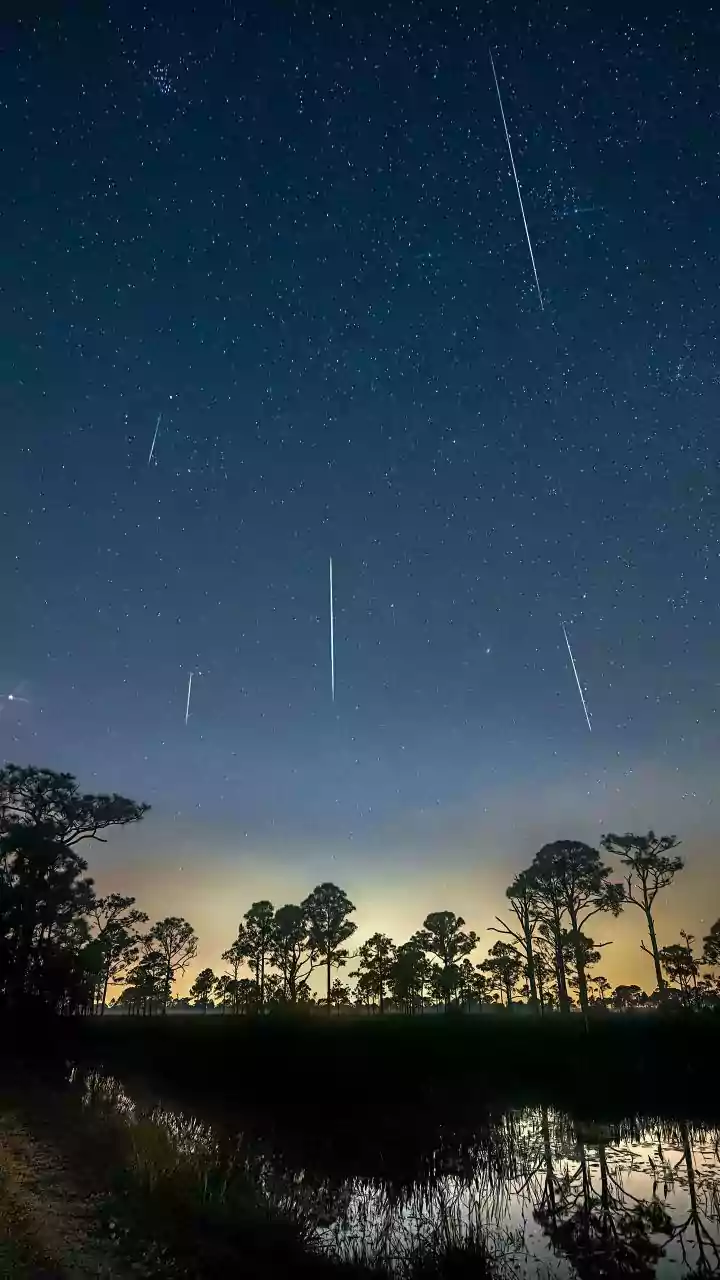
If you watch only one celestial event for the rest of the year, make it the Geminid meteor shower. Peaking on the night of December 13-14, the Geminids are widely considered the best and most reliable meteor shower of the year for observers in India. The key reason is its sheer activity, with rates of up to 120 meteors per hour in dark-sky locations. In 2026, the peak coincides with a thin crescent moon that sets early in the evening, promising perfectly dark skies for the show. Another great feature of the Geminids is that its radiant point rises by around 9 PM, meaning you can see a good number of meteors before midnight without having to stay up until dawn.
The Constant Winter Stars
Beyond specific events, the period from November to February is the best season for general stargazing in India. The skies are typically clear and the air is stable. During these months, the magnificent constellation of Orion the Hunter, with its famous nebula, climbs high in the sky. The Pleiades star cluster, also known as the Seven Sisters, is another stunning naked-eye object that is perfectly placed for viewing. For those in South India, this season offers a chance to glimpse southern-sky treasures not visible from most of the Northern Hemisphere. Venus will also be a brilliant 'evening star' in the west after sunset through late 2026.
How to Get the Best View
To make the most of these events, you don't need expensive equipment, but a few simple steps can make a huge difference. The most important factor is to get away from city lights. A drive of 60-90 minutes out of town can dramatically increase the number of stars and meteors you see. Give your eyes at least 20 minutes to fully adapt to the darkness. Avoid looking at your phone screen, as its bright light will ruin your night vision. Finally, get comfortable. A reclining chair or a blanket on the ground will save you from a sore neck. Just lie back, look up, and enjoy the show.