




The Crucial First Steps
Before you begin any drying process, preparation is key. As soon as you take off your soaked shoes, use a soft cloth to wipe away any surface mud, grit, or debris. This prevents stains from setting in as the material dries. Next, remove the insoles and
loosen the laces completely. Insoles trap a significant amount of moisture and drying them separately is essential for a thorough and faster result. Opening up the shoe allows for better air circulation, which is fundamental to any safe drying method.
The Newspaper Method: An Old Favourite
This classic technique remains one of the most effective and safest ways to dry shoes. Crumple up dry newspaper and stuff it loosely inside each shoe, making sure to reach the toe area. The paper acts as an absorbent, drawing moisture out from the inside. For heavily soaked shoes, you will need to replace the damp newspaper with fresh, dry paper every few hours. This method is particularly gentle on materials like canvas and leather, helping to preserve their shape as they dry. Avoid using newspaper with heavy or coloured ink on light-coloured interiors to prevent any transfer.
Harnessing the Power of Airflow
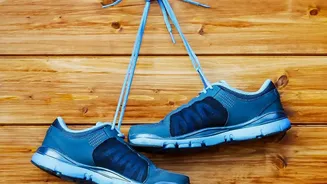
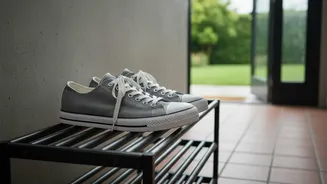
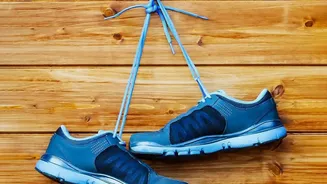
Good ventilation is your best ally against dampness. One of the most efficient ways to dry footwear is to place it in front of a table or floor fan. The constant airflow helps evaporate moisture quickly without the damaging effects of heat. You can prop the shoes up against a wall or even create small wire hooks to hang them in front of the fan, ensuring air circulates inside and out. If you don't have a fan, simply placing them in a well-ventilated, dry room away from direct sunlight will also work, though it will take longer.
Specialised Tools for a Deeper Dry
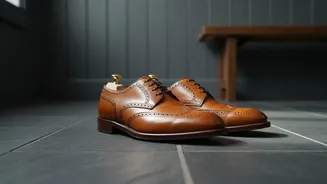
For those who frequently battle wet shoes, a small investment can make a big difference. Cedar shoe trees are an excellent tool; they naturally absorb moisture and odours while helping leather shoes maintain their proper shape. Another useful item is silica gel packets, the small sachets often found in new product boxes. These are designed to absorb moisture and can be placed inside shoes to gently draw out dampness, making them ideal for delicate materials like suede and leather.
What You Must Absolutely Avoid
The fastest method is often the most destructive. Never place your shoes near a direct heat source like a radiator, space heater, or open fire. Intense heat can cause leather to crack, warp synthetic materials, and dissolve the glue that holds your shoes together. Similarly, using a hair dryer on a high setting is not recommended. The concentrated heat can cause similar damage. While some suggest a clothes dryer on a no-heat setting might work, it's a risky move that can still deform your shoes from the tumbling action. Patience and gentle methods are always the superior choice.
Tackling the Post-Rain Odour
Even after drying, a musty smell can linger. This is caused by bacteria and mould that thrive in damp conditions. To combat this, once your shoes are completely dry, you can sprinkle a tablespoon or two of baking soda inside each one. Let it sit overnight to absorb any remaining moisture and neutralise odours, then simply shake or vacuum it out the next morning. This final step ensures your shoes are not just dry, but fresh and ready to wear again.