





Know Which Fruits Need the Fridge
Not all fruits belong in the refrigerator. In fact, cold temperatures can ruin the taste and texture of many tropical fruits common in India. Fruits like chikoo, papaya, and mangoes should be kept at room temperature to ripen properly. Storing them in the fridge
too early can cause 'chilling injury', leading to dark spots and a loss of flavour. On the other hand, fruits like apples, grapes, berries, and pomegranates last much longer when refrigerated. Once fruits like peaches or plums are fully ripe on the counter, you can move them to the fridge to extend their life for a few more days.
Separate the Ripeners from the Spoilers
Some fruits produce a natural gas called ethylene as they ripen. Major ethylene producers common in Indian households include bananas, apples, and mangoes. This gas acts as a ripening agent and can cause other ethylene-sensitive produce to spoil much faster. To prevent your other fruits from ripening prematurely, it's crucial to store these high-ethylene fruits separately. Never keep your bananas next to your watermelon or apples, for example. Giving them their own bowl or space is a simple trick to make everything last longer.
Think Vertically to Save Space
In a small kitchen, countertop space is gold. Instead of a large, single fruit bowl, think upwards. Using vertical storage is one of the most effective ways to declutter. Three-tiered hanging baskets are a classic Indian kitchen solution for a reason—they use empty air space and allow for great ventilation. You can also find stackable wire baskets or wall-mounted racks that keep fruit off your counters but still within easy reach. Even a macrame fruit hammock hung under a cabinet can add a stylish touch while freeing up precious workspace.
Let Them Breathe
Air circulation is essential for keeping fruit fresh, especially in a humid climate. Storing fruits in closed plastic bags is a common mistake, as it traps moisture and accelerates rot and mould growth. Instead, use storage solutions that allow air to flow freely. Open-weave baskets made of wire or wicker are ideal. For storing in the fridge, perforated bags or containers with vents work well. If you don't have those, even a traditional stainless steel fruit basket with a net cover can protect from dust and insects while allowing essential airflow.
Follow the 'Wash Just Before Eating' Rule
It might seem efficient to wash all your fruits as soon as you get home from the market, but this habit can significantly shorten their lifespan. Moisture is the enemy of fresh fruit, creating a perfect environment for mould. Berries and grapes are especially vulnerable to spoiling if washed and then stored. The best practice is to store fruits unwashed. Give them a good rinse only right before you plan to eat them. This simple change can prevent a lot of unnecessary waste.
Designate a Cool, Dark Corner
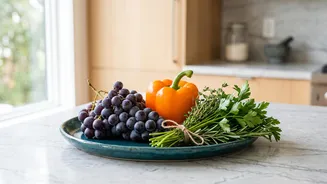
For fruits that need to be stored at room temperature, their location in the kitchen matters. The heat and steam from the stove or direct sunlight from a window can cause them to over-ripen and spoil quickly. Find a cool, dry, and dark spot for your fruit bowl. This could be a corner of the countertop away from appliances or a dedicated shelf in your pantry. Some modern Indian kitchens even incorporate pull-out baskets within a cabinet, sometimes with a glass front, which keeps fruits protected from dust and pests while ensuring ventilation.