


The Softer Side of Snacking
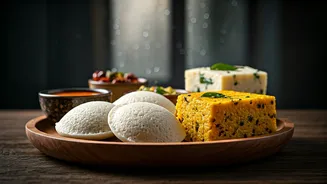
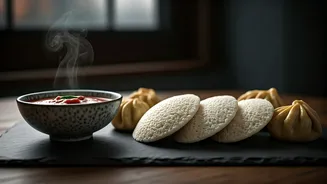
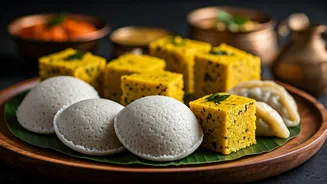
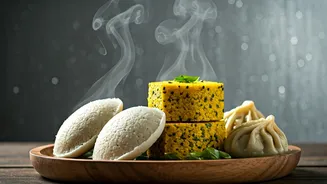
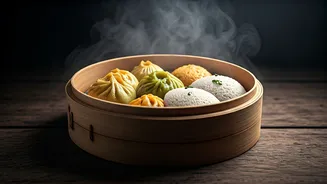
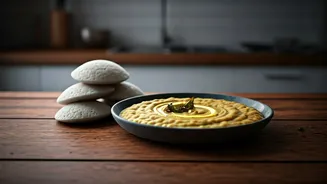
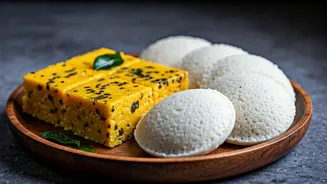
Move over, masala potato chips and deep-fried pakoras. A different kind of comfort food is making a comeback, one that trades aggressive crispiness for pillowy tenderness. We’re talking about the cloud-like dhokla, the delicate khandvi, the fluffy idli,
and the spongy appam. These aren't new foods, of course. They are timeless classics, staples of regional cuisines from Gujarat to Kerala. What’s new is their resurgence as the go-to snack for a modern India that is rethinking its relationship with food. This shift isn't about abandoning our love for the crunchy, but about expanding our definition of a satisfying bite. It’s a quiet rebellion against the tyranny of the deep fryer, favouring instead the gentle magic of steam, fermentation, and slow cooking.
Why Softer, Why Now?
This culinary shift is no accident. It’s a response to several currents in our contemporary life. First, there's the post-pandemic wellness wave. We are more conscious than ever about what we put into our bodies. Steamed and fermented snacks are inherently lighter, easier on the digestive system, and often lower in calories than their fried counterparts. They offer comfort without the post-snack sluggishness. Second is the powerful pull of nostalgia. For many, these soft snacks are the taste of childhood, of a grandmother’s love served on a plate. In a fast-paced, often stressful world, reaching for a soft, warm snack is like getting a culinary hug, a direct connection to a simpler time. Finally, there’s the element of convenience. Many of these dishes, once prepared, are easy to store and reheat, making them perfect for busy schedules and work-from-home lunches.
A Canvas for Modern Flavours
This rediscovery isn't just about reviving old recipes; it's about reinventing them. Home cooks and trendy cafes are using these traditional soft snacks as a canvas for modern creativity. We're seeing millet idlis that pack a nutritional punch, dhoklas stuffed with exotic vegetables and cheese, and dessert appams drizzled with chocolate sauce. Social media is buzzing with colourful variations of pithas from Bengal and Assam, once reserved for festivals but now enjoyed as an everyday treat. This innovation is key to the trend's success. It keeps these classic textures relevant and exciting for a new generation of food lovers who want both tradition and novelty. The soft snack has become a symbol of smart indulgence—healthy, but never boring.
More Than Just Texture
Ultimately, the turn towards softer snacks reflects a deeper change in our national palate and psyche. It suggests a move towards more mindful eating. The aggressive crunch of a processed snack can be distracting, a loud noise in our mouths. A soft snack, on the other hand, encourages you to slow down, to savour the subtle flavours and textures. This shift is happening beyond just snacks. We see it in the rising popularity of slow-cooked dals, soft-set curds, and tenderly cooked vegetable dishes that let the ingredients shine. It’s a departure from the quick-fix, high-impact flavour bombs that dominated the last decade. Instead, we are finding joy in subtlety and nuance, in food that nourishes not just the body, but also the soul.