




Why Planets Beat the Pollution
The biggest hurdle for any city-based astronomer is light pollution. The constant glow from streetlights, buildings, and advertisements creates a bright haze that washes out faint, distant stars. But planets are a different story. Unlike stars, which
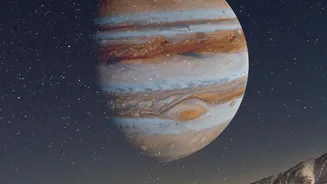
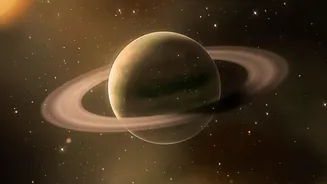
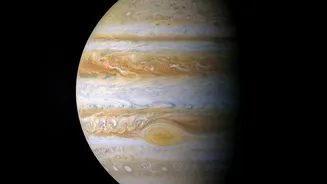
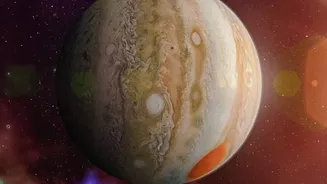
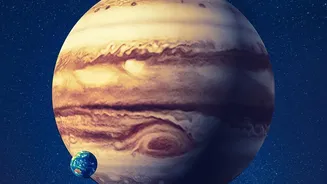
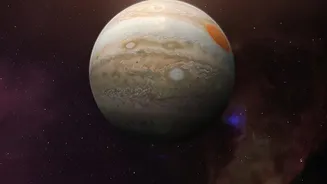
are distant suns producing their own light, planets are much closer and shine by reflecting the light of our Sun. Jupiter and Saturn are large and relatively close, making them intensely bright points of light in our sky. Their brightness is often enough to punch through the urban glow, making them prime targets for city stargazers. While faint nebulae and distant galaxies are lost to the city lights, these two gas giants remain surprisingly accessible.
Know When and Where to Look
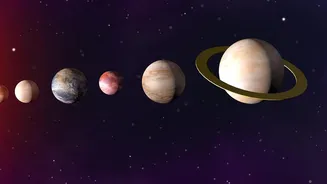
Timing is everything. For September 2026, both planets are well-positioned for viewing. Saturn rises in the evening, around 9:30 PM early in the month, appearing as a bright, steady 'star' in the southeastern sky. It will be visible for most of the night. Jupiter makes its appearance in the early morning. At the beginning of September, it rises a few hours before the sun, but by the end of the month, it will be high enough for great viewing in the dark, predawn hours. A great opportunity arises on the morning of September 8th, when a crescent moon will be seen near Jupiter, making the gas giant easy to locate. On September 26th, the full Harvest Moon will be near Saturn, providing another easy signpost. Planets travel along a path in the sky called the ecliptic, the same general path the sun and moon follow.
Your Smartphone is a Planetarium
You don't need to be an expert to find your way around the night sky. There is a fantastic array of smartphone apps that turn your phone into an augmented reality guide. Apps like SkyView, Star Walk 2, and Star Chart allow you to simply point your phone at the sky to identify planets, stars, and constellations in real-time. For those interested in a more India-centric view, the Bhagol app maps the sky using traditional Indian astronomical concepts, including the nakshatras and grahas. Many of these apps are free and incredibly user-friendly, instantly telling you if that bright light you're looking at is Jupiter, a satellite, or an airplane.
Simple Gear for a Better View
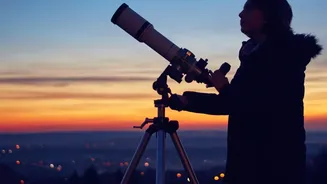
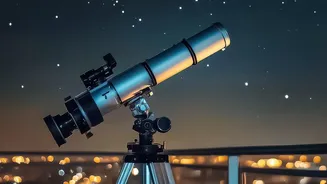
While you can spot Jupiter and Saturn with just your naked eye, a simple pair of binoculars will transform your experience. You won't need an expensive telescope to get started. A standard pair of 7x50 or 10x50 binoculars is powerful enough to reveal Jupiter as a distinct disk, and you might even glimpse its four largest moons, the Galilean moons, appearing as tiny pinpricks of light flanking the planet. Through binoculars, Saturn will lose its star-like appearance and look slightly elongated or oval-shaped, a clear hint of its famous rings. For the best results, try to steady your binoculars. Resting them on a wall or, even better, using a simple tripod will eliminate the shakiness from your hands and provide a much clearer image.
Tricks to Beat the Urban Glow
To maximise your chances, a little preparation goes a long way. Find the darkest spot available to you, whether it's a rooftop, a balcony shielded from streetlights, or a nearby park. Once you're there, give your eyes at least 15-20 minutes to adapt to the darkness; this will dramatically increase your ability to see fainter objects. Avoid looking at your bright phone screen during this time. Another simple but effective trick is to create a personal light shield by cupping your hands around your eyes or using a piece of cardboard to block out stray light from your peripheral vision. This small action can significantly improve the contrast of what you see in the eyepiece or through your binoculars.