






The Old Sunscreen Struggle
For years, the biggest complaint about sunscreen, especially in India's warm and humid climate, has been its texture. Traditional sunscreens were often heavy, sticky, and notorious for leaving a noticeable white film on the skin, particularly on deeper
skin tones. This unpleasant sensory experience made daily application feel like a necessary evil rather than a seamless part of a skincare routine. Many people with oily or acne-prone skin found that heavy creams would clog pores and cause breakouts, leading them to skip this crucial step altogether. The result was often a compromise between comfort and protection, with many choosing to forgo sunscreen unless they were spending a day at the beach.
A New Era of Invisible Protection
The beauty industry has responded to these long-standing issues with remarkable innovation. The latest trend is a move towards “invisible” finishes and feather-light formulas that feel like you’re wearing nothing at all. These new-generation sunscreens come in a variety of textures, including watery essences, refreshing gels, milky fluids, and convenient mists. The goal is to make sun protection so comfortable that it becomes an effortless daily habit. Brands are focusing on creating products that absorb quickly, don't leave a greasy residue, and work beautifully under makeup without pilling or causing shine.
The Science Behind the Comfort
What makes these new sunscreens so different? It's all in the formulation. Many modern sunscreens are water-based or use advanced silicones that create a smooth, non-sticky feel. They often feature newer chemical filters that are more lightweight and cosmetically elegant. Furthermore, these products are frequently hybrids, combining skincare ingredients with sun protection. You’ll find formulations boosted with hydrating agents like hyaluronic acid for dry skin, or oil-controlling ingredients like niacinamide for oily skin, making them multi-functional. This turns your SPF step into a treatment that addresses other skin concerns simultaneously.
Effectiveness: Light Doesn't Mean Less
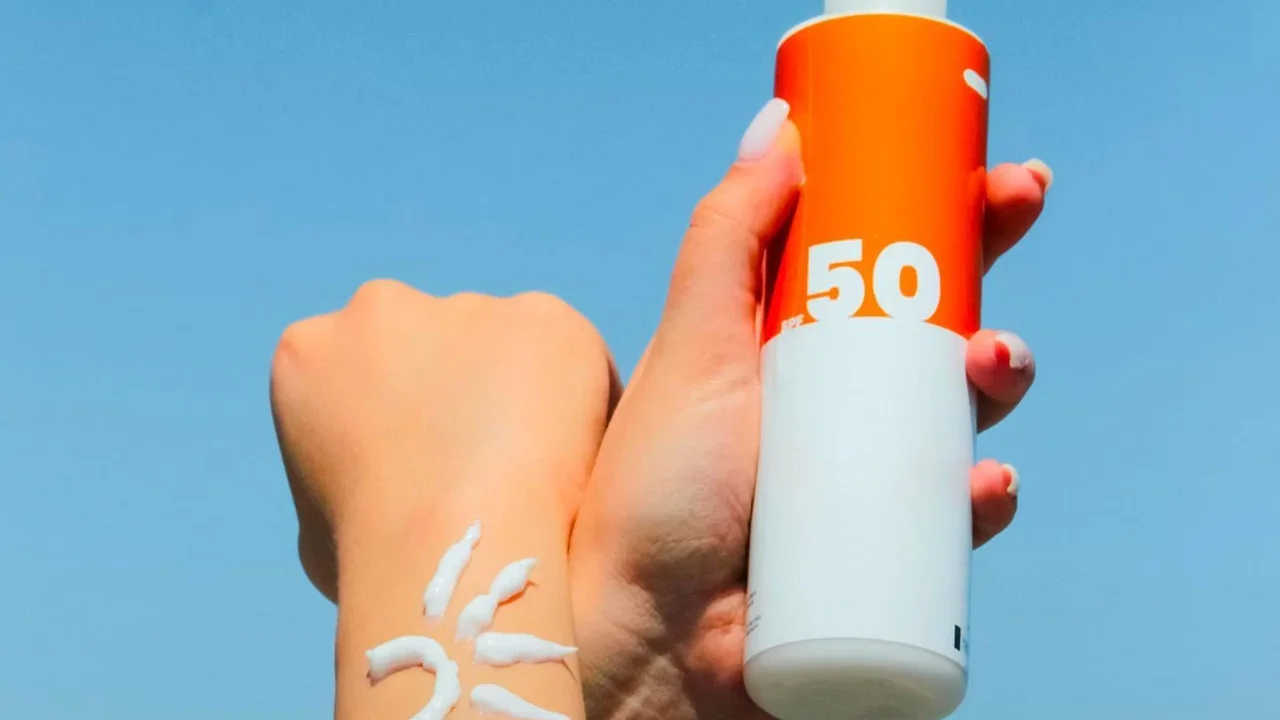
A common question is whether these lightweight formulas offer the same level of protection as their thicker counterparts. The answer is a resounding yes, provided you choose correctly. The texture of a sunscreen does not determine its efficacy. What matters is the SPF (Sun Protection Factor) and whether it offers broad-spectrum coverage against both UVA and UVB rays. For Indian skin, which is prone to tanning and pigmentation, dermatologists recommend a broad-spectrum sunscreen with an SPF of at least 30 for daily use and SPF 50 for extended time outdoors. Also, look for a high PA rating (like PA+++ or PA++++) which indicates strong protection against ageing UVA rays.
Choosing Your Perfect Sunscreen Match
With so many new options, finding the right one comes down to your skin type and lifestyle. For those with oily and acne-prone skin, a non-comedogenic gel or fluid formula is ideal as it won't clog pores and provides a matte finish. If you have dry skin, look for cream-based or milky lotions with hydrating ingredients like hyaluronic acid or ceramides. People with sensitive skin might prefer mineral sunscreens with zinc oxide and titanium dioxide, which are now available in more elegant, less chalky formulas. For reapplication throughout the day, especially over makeup, sunscreen sticks and mists are becoming incredibly popular.