






From Government Monopoly to Private Playground
For decades, the Indian space program was synonymous with the Indian Space Research Organisation (ISRO). While ISRO achieved monumental success, the sector remained largely a government domain. That all changed in 2020 with a series of landmark reforms
designed to unlock the sector for private enterprise. The creation of the Indian National Space Promotion and Authorisation Centre (IN-SPACe) was a pivotal move. Acting as a single-window agency, IN-SPACe was tasked with facilitating, authorising, and promoting the activities of Non-Government Entities (NGEs). This was followed by the comprehensive Indian Space Policy in 2023, which clearly defined the roles for private companies across the entire value chain—from building satellites and rockets to providing downstream data services. These policies effectively rolled out the welcome mat for startups, giving them access to ISRO's world-class facilities, facilitating technology transfers, and creating a predictable regulatory environment.
Meet the New Astronauts of Business
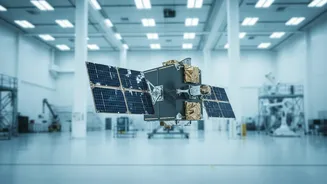
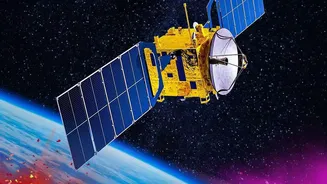
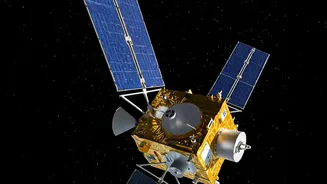
The policy shift has unleashed a wave of innovation, with the number of Indian space startups growing from just a handful a few years ago to over 450 today. These companies are not just peripheral suppliers; they are building complex, end-to-end solutions. Take Skyroot Aerospace, which made history by launching Vikram-1, India's first privately developed orbital rocket. Then there is Agnikul Cosmos, which is pioneering customisable small satellite launch vehicles featuring the world's first single-piece 3D-printed rocket engine. In the satellite domain, Pixxel is building a constellation of hyperspectral imaging satellites to provide detailed earth observation data for sectors like agriculture and environmental monitoring. Other key players include Dhruva Space, a full-stack satellite maker, and Digantara, which is focused on space situational awareness to track orbital debris.
Why Investors Are Looking to the Stars
This startup surge is backed by serious capital. In the last three years, Indian space-tech startups have attracted nearly $400 million in funding. The government has further fueled this fire with a dedicated venture capital fund of over $100 million to support the ecosystem. The market potential is immense. India's space economy, valued at around $8.4 billion in 2022, is projected to grow to over $40 billion by 2033. The opportunities span the entire value chain. Upstream, there is a growing demand for launch services for small satellites, a market that companies like Skyroot and Agnikul are targeting. Downstream, the data generated by satellites from companies like Pixxel and SatSure is creating a massive market for analytics and 'decision intelligence' in industries ranging from finance to agriculture.
Navigating the Hurdles to the Final Frontier
Despite the incredible momentum, the path is not without its challenges. One of the primary concerns is the absence of a comprehensive, codified Space Activities Act to legally govern private operations, which can create uncertainty around issues like licensing and liability. Access to capital, especially for long-gestation, high-risk hardware projects, remains a hurdle compared to the large government contracts that fuel the private space sector in countries like the US. Furthermore, as more private constellations are launched into Low Earth Orbit, the risk of orbital congestion and space debris becomes a serious concern that requires robust tracking and management infrastructure. Building a domestic supply chain for high-tech, space-qualified components is another critical area that needs focus to reduce reliance on imports and ensure self-sufficiency.