
The Heirloom Gets a New Life
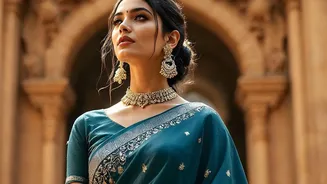
There's a quiet revolution happening in Indian fashion, and it starts in a mother's wardrobe. Young, style-conscious Indians are looking past fast fashion and finding inspiration in the six yards of silk passed down through their families. This is more
than just a trend; it's a movement driven by a desire for individuality, sustainability, and a deep connection to personal history. Instead of letting magnificent Kanjeevarams, Banarasis, and Paithanis gather dust, they are being snipped, stitched, and reborn as chic co-ord sets, sharp blazers, and breezy dresses. This approach allows creators to wear a piece of their family's story, refashioned for the modern world, making a statement that is both personal and environmentally conscious.
From Saree to Statement Piece
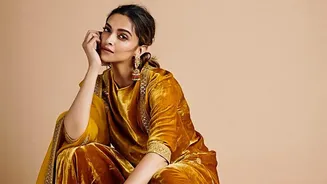
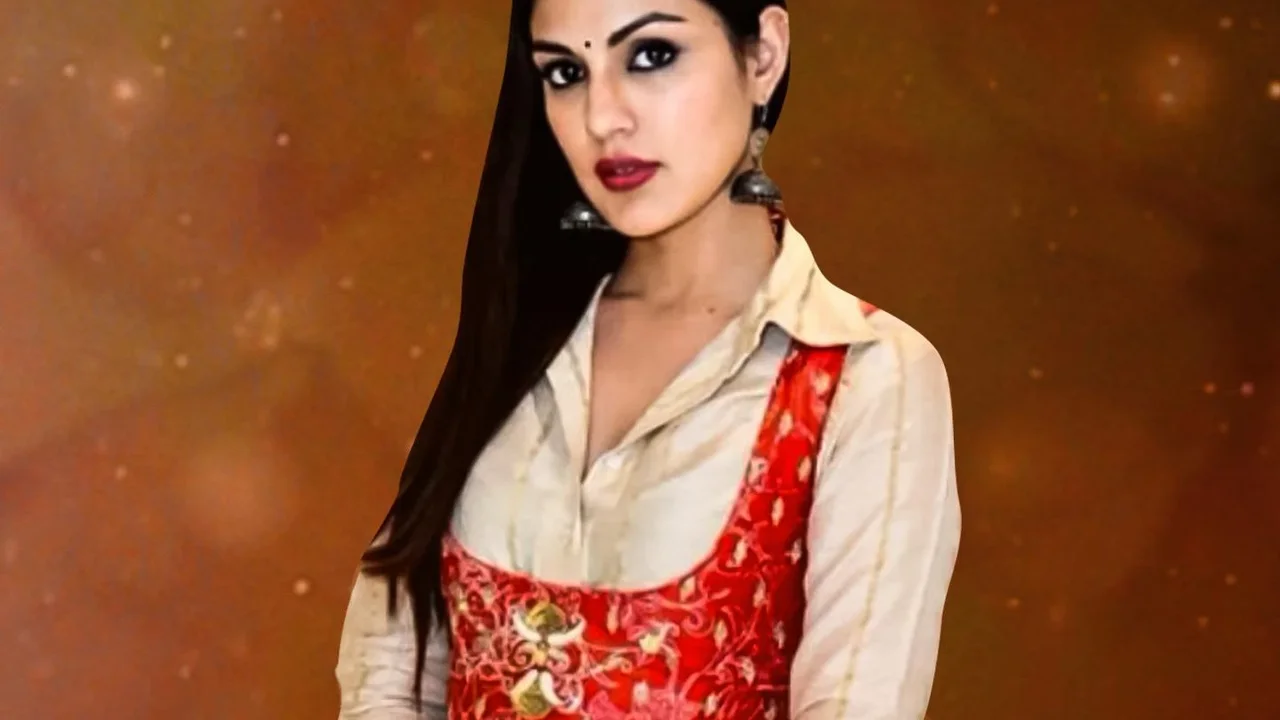
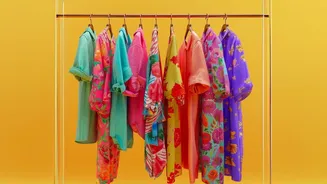
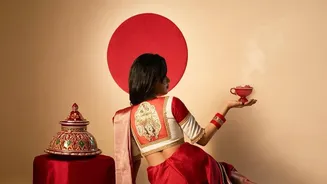
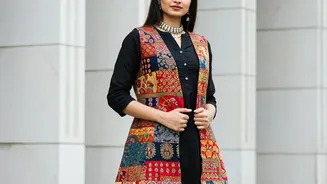
The transformation from a traditional saree to a contemporary ensemble is a masterclass in creative vision. Creators and designers carefully assess the fabric, considering the drape of the silk, the placement of the intricate zari border, and the narrative of the pallu. A heavy brocade might become a structured pantsuit, while a lighter, floral georgette could be reimagined as a flirty top or a flowing maxi dress. The most popular creations include skirt and crop top sets that cleverly use the saree's original borders on the hem or neckline, and versatile jackets that can be thrown over jeans. This process often involves skilled local tailors and designers who specialize in upcycling, ensuring the integrity and beauty of the original textile are preserved while giving it a new silhouette.
A Story in Every Thread
For these young creators, upcycling a family saree is an intensely personal and emotional journey. Each piece holds sentimental value—it might be the saree a grandmother wore at her wedding or the one a mother received as a gift. By giving it a new form, they are not just creating a new outfit; they are extending the life of a cherished memory. This connection to heritage is a powerful antidote to the impersonal nature of mass-produced clothing. Wearing a repurposed heirloom becomes an act of carrying forward a family legacy, a tangible link to the generations of women who came before. It’s a way to keep stories alive, transforming a garment into a conversation starter that is rich with history.
The Sustainable Style Choice
This trend is deeply rooted in the growing global consciousness around sustainable fashion. Gen Z, in particular, is moving away from the 'use and throw' culture, seeking out fashion that is ethical and has a smaller environmental footprint. Upcycling vintage sarees perfectly aligns with this mindset. It is the ultimate form of circular fashion, reducing textile waste and breathing new life into existing materials. By choosing to repurpose, these creators are making a powerful statement against the relentless cycle of newness that defines the fast-fashion industry. They are proving that style and sustainability can go hand in hand, and that the most beautiful fashion can be found in celebrating and preserving what we already have.