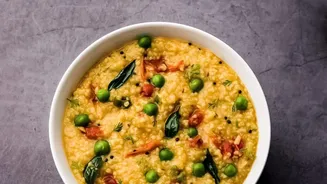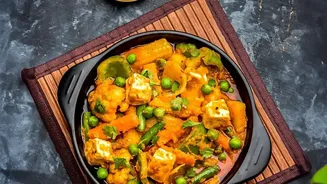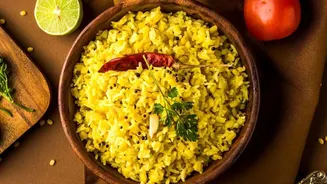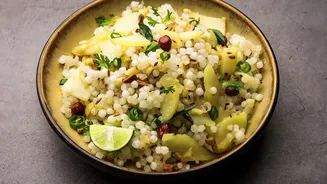


In the world of Indian comfort food, Dalia and Khichdi reign supreme. Both are celebrated as wholesome, simple meals, but they offer distinct nutritional benefits. Understanding their differences can help you choose the right one for your health goals.
The Contenders: What Are They?
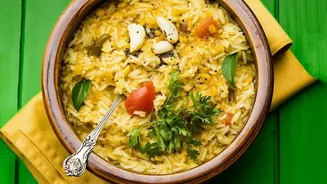
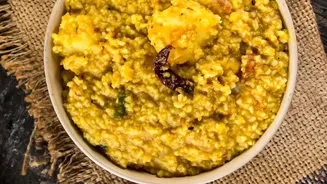
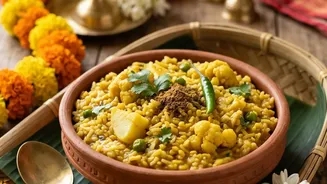
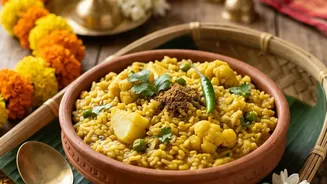
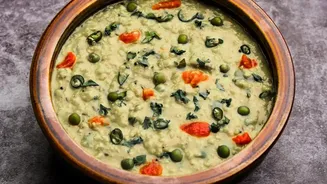
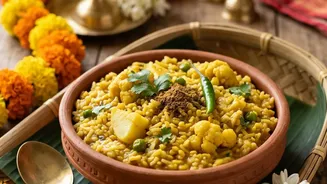
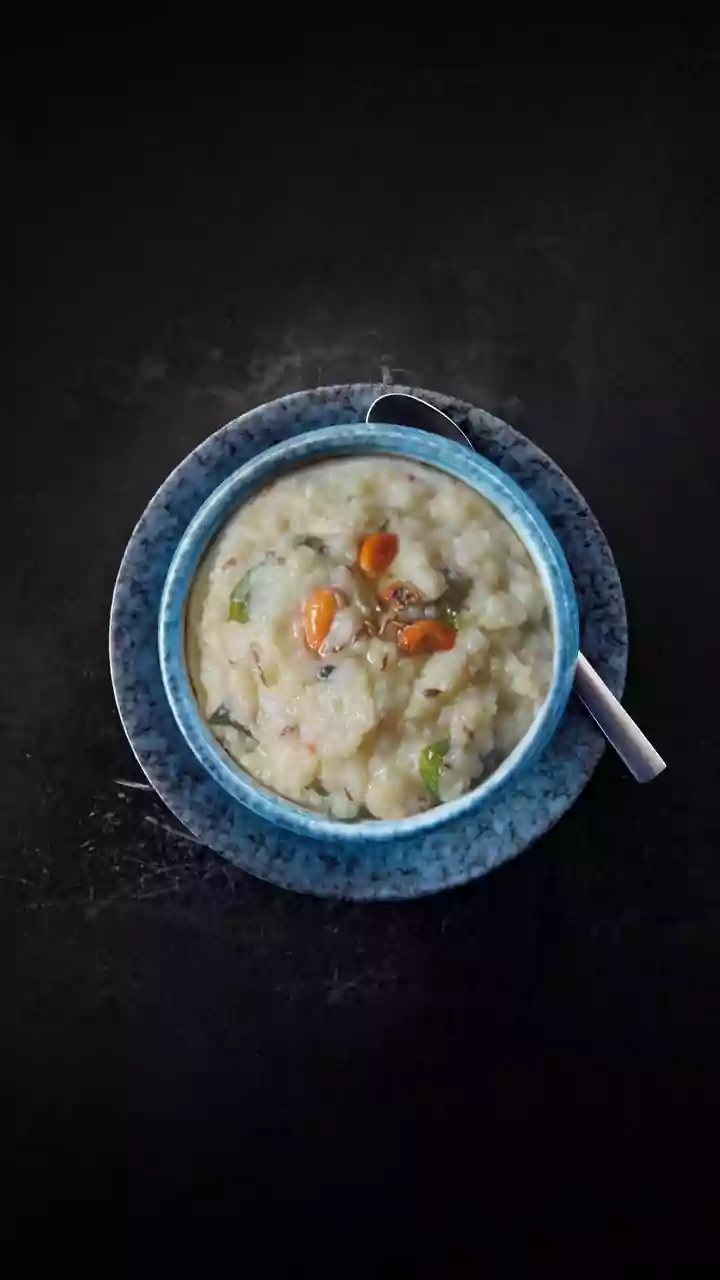
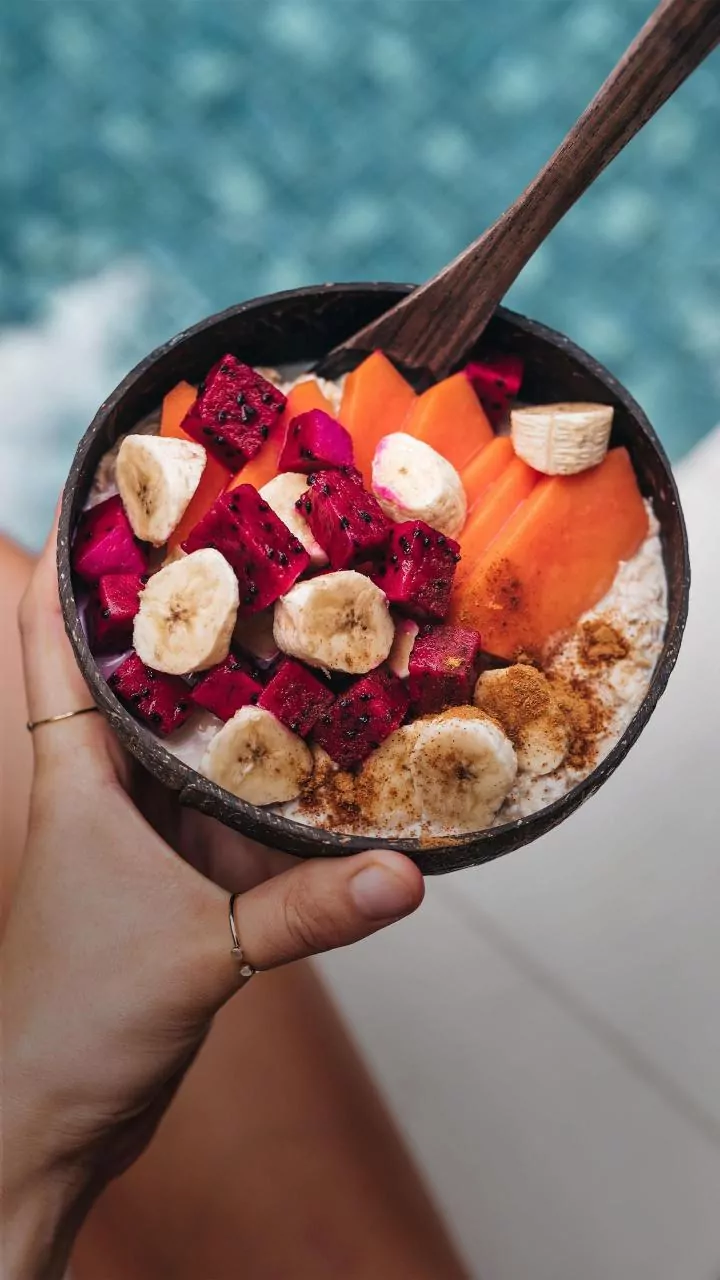
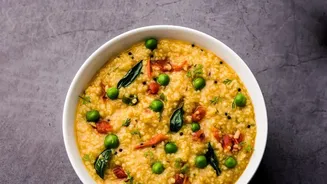
Dalia, also known as broken or cracked wheat, is made by milling whole raw wheat grains into coarse pieces. Because it is minimally processed, it retains the nutrient-rich bran and germ of the wheat kernel. This makes it a versatile food that can be prepared as a sweet porridge with milk or a savoury one-pot meal with vegetables. Khichdi, on the other hand, is a classic one-pot dish made by cooking rice and lentils (most commonly moong dal) together until they form a soft, porridge-like consistency. Often tempered with ghee and mild spices, it is a cornerstone of Ayurvedic cuisine and a go-to meal during illness or recovery due to its gentle nature.
Nutritional Showdown: A Head-to-Head Comparison
When it comes to nutrition, both Dalia and Khichdi have strong points. Dalia generally takes the lead in fibre content. A 100-gram serving of raw Dalia contains about 10-12 grams of dietary fibre, which is significantly higher than that of a typical bowl of Khichdi. Dalia is also rich in complex carbohydrates that provide a slow, sustained release of energy, which is reflected in its low glycemic index (GI) of around 41. Khichdi's strength lies in its protein quality. The combination of rice (a cereal) and dal (a pulse) creates a complete protein, providing all the essential amino acids the body needs. A standard bowl of moong dal khichdi can offer around 8-9 grams of protein. While Dalia also has a good amount of protein, Khichdi's profile is considered more complete from a vegetarian standpoint.
The Case for Dalia: Fibre and Weight Management
Dalia is often the top recommendation for those focused on weight management, blood sugar control, and digestive health. Its high fibre content promotes a feeling of fullness, which can help reduce overall calorie intake and prevent unnecessary snacking. This fibre also aids in maintaining regular bowel movements and preventing constipation. As a complex carbohydrate with a low GI, Dalia ensures a gradual release of sugar into the bloodstream. This quality makes it particularly beneficial for individuals with diabetes, as it helps prevent sharp spikes in blood sugar levels. Rich in essential minerals like iron and magnesium, it’s a robust choice for a power-packed breakfast or a light lunch.
The Power of Khichdi: Digestion and Recovery
Khichdi is celebrated for being incredibly easy to digest, making it the ultimate comfort food when you're feeling under the weather. In Ayurveda, it is considered 'tridoshic', meaning it helps balance all three bodily doshas (Vata, Pitta, Kapha), making it a universally soothing and healing food. Its soft texture is gentle on the stomach and intestines, which is why it's often recommended during recovery from illness and is one of the first solid foods given to babies. Beyond being a simple recovery meal, Khichdi is a source of complete protein, which is vital for muscle repair and maintenance. The combination of moong dal and rice provides nourishment without placing a heavy load on the digestive system, allowing the body to use its energy for healing.
The Verdict: Which Should You Choose?
The choice between Dalia and Khichdi ultimately depends on your specific health goals and immediate needs. Choose Dalia if your primary goal is weight management, increasing your fibre intake, or managing blood sugar levels. Its high fibre content will keep you full for longer and support a healthy digestive system. Opt for Khichdi when you need a meal that is light, soothing, and easy to digest. It is the perfect choice during sickness, for those with a sensitive stomach, or for a post-workout meal that provides complete protein for muscle recovery.