
Monsoon’s Perfect Storm for Germs
The rainy season creates an ideal environment for microorganisms to thrive. The combination of high humidity and ambient warmth accelerates the growth of bacteria, fungi, and moulds. This means that any food, especially fresh produce, is more susceptible
to spoilage and contamination. Health experts note that foodborne illnesses like gastroenteritis, diarrhoea, and cholera see a spike during this season, often linked to contaminated food and water. The moisture in the air allows microbes to multiply rapidly on food surfaces, making food safety a top priority.
The Hidden Journey of Pre-Cut Fruit
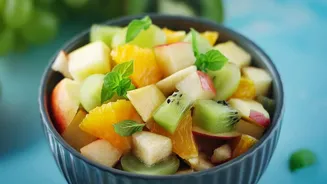
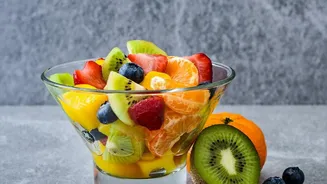
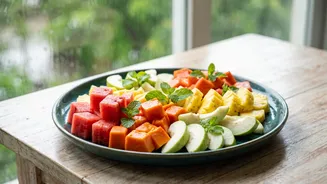
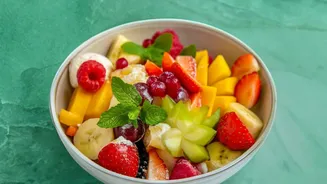
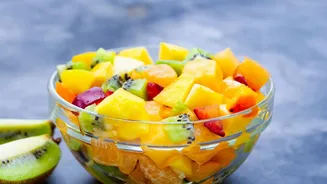
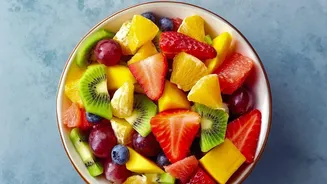
Pre-cut fruits, while convenient, go through a long journey before they reach your plate, and every step is a potential point for contamination. This includes processing, peeling, slicing, packaging, and transportation. Once the protective peel of a fruit is removed, its moist flesh is exposed, making it a perfect breeding ground for bacteria. Pathogens like Salmonella, E. coli, and Listeria can be introduced from unhygienic handling, contaminated knives, or improper storage. Even if refrigerated, the time lag between cutting and consumption provides a window for these harmful microbes to multiply, a risk that is magnified by the humid monsoon weather.
The Fresh-Cut Advantage: Control Is Key
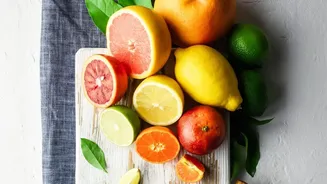
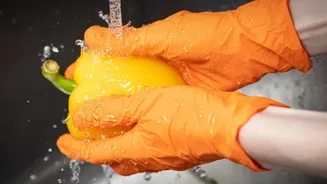
When you buy whole fruits and cut them at home just before eating, you take control of the entire process. You can ensure the fruit is washed thoroughly under clean, running water, a crucial step to remove dirt and surface pathogens. You control the hygiene of the cutting board, the knife, and your own hands. This significantly minimizes the window for contamination. Pre-cut fruits sold by vendors may be exposed to dust, flies, and unclean water, risks you completely bypass by preparing them in your own kitchen. Eating fruits immediately after cutting ensures you get the maximum nutrients without the added risk of bacterial growth that occurs when cut produce sits for hours.
A Simple Checklist for Safe Fruit Consumption
Following a few simple practices can help you enjoy fruits safely throughout the monsoon. First, always wash your hands with soap before and after handling produce. Wash all fruits thoroughly, even those with peels you don't eat, like bananas and melons, as a knife can transfer contaminants from the skin to the flesh. Soaking produce in a saltwater or baking soda solution for a few minutes can also help remove residues. Use separate, clean cutting boards and knives for fruits to avoid cross-contamination. Finally, consume fruits immediately after cutting them and avoid storing them for long periods.