



What Exactly Is Thinning?
Thinning is the simple process of removing some plants or parts of plants to give the remaining ones more room to grow. For seedlings, this means removing weaker ones to allow the strongest to thrive. For mature plants, it involves selectively pruning
branches or stems to open up the plant's structure. The goal is to reduce overcrowding, which forces plants to compete intensely for sunlight, water, and soil nutrients. By creating more space, you are setting the stage for healthier, more robust plants and better harvests.
Why Crowded Growth Is a Problem
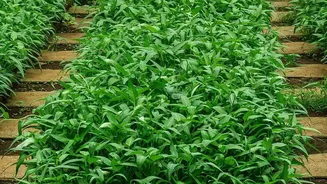
When plants are packed too tightly, it creates a humid, stagnant environment. This lack of air circulation is a major issue because it prevents leaves from drying quickly after rain or watering. Damp foliage is an open invitation for fungal diseases like powdery mildew. Furthermore, stressed plants are more attractive to insect pests. A dense canopy of leaves provides the perfect cover for pests like aphids, spider mites, and mealybugs to multiply unnoticed, shielded from both your view and any potential predators.
The Pest-Spotting Advantage
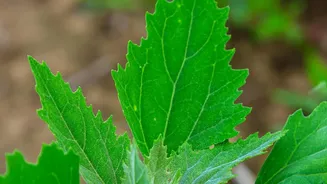
The most direct benefit of thinning is improved visibility. When a plant's foliage is less dense, you can easily inspect the stems, the undersides of leaves, and the growing tips where pests love to congregate. Pests like aphids cluster on new growth, while spider mites are so tiny they are often missed until their damage is done. Thinning allows you to catch these infestations early, before they become a major problem. You can spot the tell-tale signs—like curled leaves, fine webbing, or the insects themselves—and take action immediately, often with simple methods like washing them off with a spray of water.
How to Thin Your Plants Correctly
The method depends on the plant. For seedlings like carrots, radishes, or leafy greens, it is best to thin when they have developed their first set of true leaves. Instead of pulling the unwanted seedlings, which can disturb the roots of the ones you want to keep, it's better to snip them at the soil line with a small pair of scissors. For larger, established plants like tomatoes or roses, thinning involves pruning. Remove branches that cross over each other, grow inward toward the center of the plant, or are low-lying and block airflow near the soil. This opens up the plant's canopy, allowing sunlight and air to penetrate deeper.
More Than Just Pest Control
While spotting pests is a key advantage, thinning offers a host of other benefits. With less competition, the remaining plants can develop stronger, more extensive root systems, making them more resilient to drought. They have better access to sunlight for photosynthesis and nutrients for growth, which often results in larger vegetables, more abundant fruit, and bigger, brighter flowers. By selecting the strongest plants to keep, you are actively ensuring that your garden's energy is directed toward producing the best possible yield.