






The Danger of Contamination
The primary concern with pre-sliced fruits is the high risk of microbial contamination. Once the natural protective skin of a fruit is broken, the flesh is exposed to the environment. [4] Street vendors often work in conditions with high levels of dust
and airborne pollutants. Flies and other insects can easily land on the exposed fruit, transferring harmful germs. [13, 17] Furthermore, the knives, cutting boards, and the water used to wash the fruits may not be clean, introducing dangerous bacteria like E. coli, Salmonella, and Listeria directly onto the food you eat. [2, 6, 8] These pathogens can cause severe gastrointestinal issues, including food poisoning, diarrhoea, typhoid, and cholera. [8, 11, 12]
A Breeding Ground for Bacteria
The combination of warm, humid weather and the natural sugars present in fruit creates an ideal environment for bacteria to multiply rapidly. [13] When fruits are cut, their cellular fluids are released, providing a nutrient-rich medium for pathogens to thrive. [4] Melons, with their high water content and neutral pH, are particularly vulnerable to bacterial growth once sliced. [14] While these fruits might look fresh, they could be teeming with microorganisms. Studies have shown that a significant percentage of pre-cut fruit samples from various markets are contaminated with bacteria, even when they appear perfectly fine to eat. [2, 7]
Nutritional Value Takes a Hit
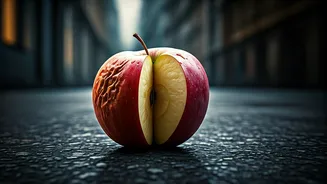
Beyond the risk of infection, pre-sliced fruits are also less nutritious. The moment a fruit is cut, it begins to oxidise due to exposure to air and light. [13] This process degrades essential heat-sensitive and light-sensitive nutrients, particularly vitamin C and other antioxidants. [13, 16] The longer the fruit sits after being cut, the more of its nutritional value is lost. [13] What you are buying for its health benefits may end up being little more than a sweet snack with significantly diminished vitamins. In essence, the convenience of pre-cut comes at the cost of the very nutrients you seek from the fruit in the first place. [12]
The Unseen Hazards: Water and Handling
The water source used by many roadside vendors is another major area of concern. Often, vendors use tap water from unreliable sources, or store water in unhygienic containers, to wash fruits or sprinkle on them to keep them looking fresh. [8, 19] This water can be contaminated with sewage or industrial pollutants, further adding to the microbial load. [8] The personal hygiene of the vendor is also a factor. Without access to proper hand-washing facilities, cross-contamination is a constant risk. [20] While organisations like the Food Safety and Standards Authority of India (FSSAI) have guidelines for street vendors, enforcement can be inconsistent. [10, 22]
Safer Alternatives for Your Fruit Fix
The safest way to enjoy fruit is to buy it whole. The skin is a natural barrier that protects the flesh from contamination. [9, 12] Purchase whole fruits from a vendor, take them home, and wash them thoroughly under clean, running water before cutting them yourself with clean utensils. [5] If you must buy from a street vendor, insist that they cut a fresh fruit in front of you. This minimises the time the fruit is exposed to the open air. Opt for fruits you can peel yourself, like bananas or oranges, as this provides an extra layer of protection. By taking these simple precautions, you can enjoy the delicious taste and health benefits of fruit without the risk.