




Meet the ‘Blue Mountain’ Tea
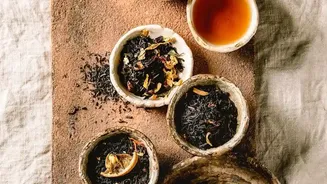
Before you can appreciate the brew, you have to understand the tea. Nilgiri tea comes from the Nilgiri Mountains of Southern India, a region known as the “Blue Mountains.” Grown at high altitudes, these teas are known for being exceptionally aromatic,
with bright floral and fruity notes. Unlike some of their more robust Indian counterparts, such as Assam, Nilgiri teas have fewer tannins, which means they lack the bitterness or astringency that can sometimes dominate a cup. This results in a liquor that is naturally mellow and smooth, with a subtle sweetness that makes it an ideal candidate for drinking without any additions. For this reason, tea experts have long prized it as one of the best teas in the world for making iced tea.
The Magic of a Cold Plunge
The secret to unlocking Nilgiri’s best qualities lies in the preparation: cold brewing. While most tea is made by steeping leaves in hot water, cold brewing involves immersing them in cold water for an extended period—typically anywhere from 6 to 12 hours in the refrigerator. This gentle, patient process fundamentally changes what is extracted from the leaf. Hot water pulls out tannins and catechins more aggressively, which can lead to a bitter, astringent flavor. Cold water, on the other hand, extracts fewer of these compounds, resulting in a drink that is remarkably smooth, naturally sweeter, and less acidic. This process also means less caffeine is released, making it an excellent choice for a mellow, all-day sipper.
Why Millennials Are On Board
The rise of cold-brewed Nilgiri tea fits perfectly within larger consumer shifts driven by younger generations. For many urban millennials and Gen Z consumers, the search for beverages is guided by a desire for health, transparency, and authenticity. There is a clear and documented move away from high-sugar drinks and artificial ingredients. A 2026 study noted that sugar content is the primary health concern for 40% of young consumers when choosing a beverage. Cold-brewed Nilgiri tea answers this call beautifully. Its natural sweetness requires no added sugar, aligning with the “clean label” trend. Furthermore, the term “artisanal” resonates with a demographic that values craft, sourcing, and story over mass production, a trend seen across the beverage industry from craft beer to coffee.
More Than a Drink, It’s a Lifestyle
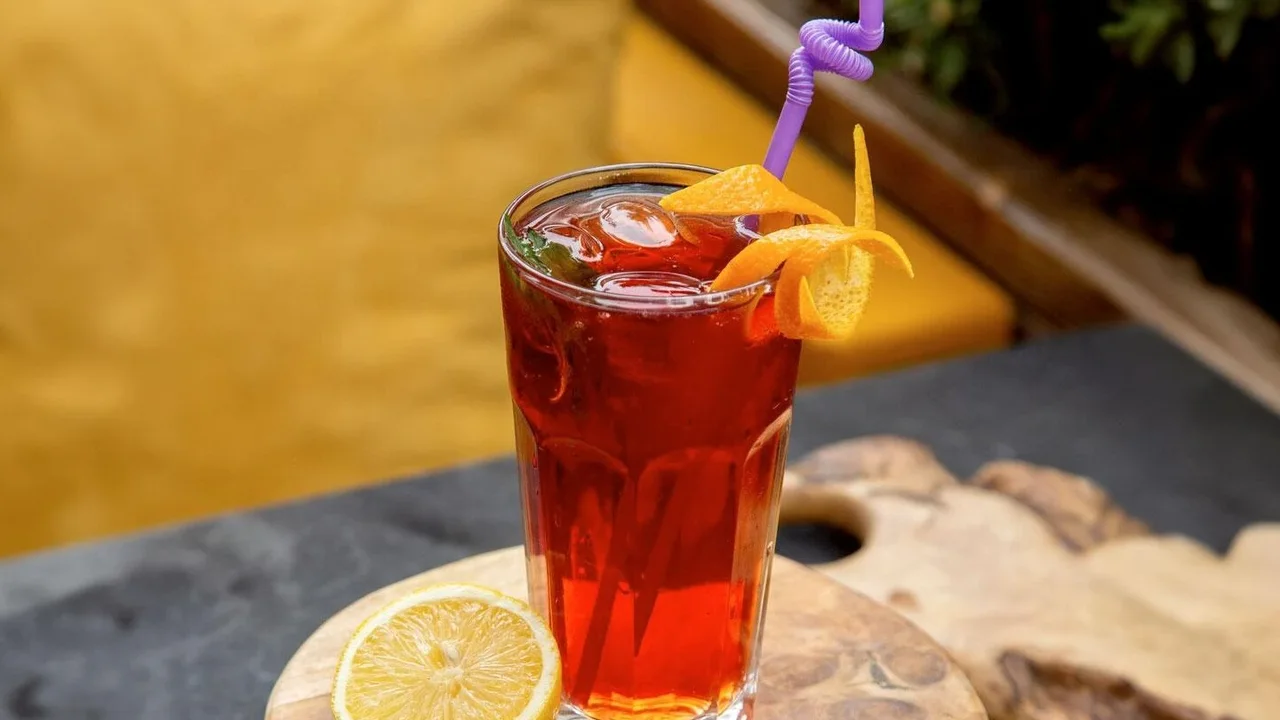
The appeal of this beverage goes beyond its taste and health benefits. It represents a form of mindful consumption. In a fast-paced world, the slow, deliberate process of cold brewing is a ritual in itself. For a generation that values experiences and aesthetics, a clear pitcher of amber-hued Nilgiri tea is as much an Instagrammable moment as it is a source of refreshment. It fits into a broader wellness lifestyle that incorporates everything from functional foods to non-alcoholic social drinks. As consumers increasingly look for beverages that offer a sense of occasion without the downsides of sugar or alcohol, options like cold-brewed tea provide a sophisticated, satisfying alternative.
Making Your Own at Home
Part of the beauty of this trend is its accessibility. You don’t need fancy equipment to create a coffee-shop-worthy cold brew at home. The process is simple: combine loose-leaf Nilgiri tea with cold, filtered water in a jar or pitcher and let it steep in the refrigerator. A general starting point is about 1 to 1.5 teaspoons of tea per cup of water, but you can adjust to your preference. After about 8-12 hours, simply strain the leaves out. The result is a crisp, clean tea that’s ready to be poured over ice. For those short on time, a growing number of artisanal tea companies are also offering pre-portioned cold-brew pouches, making the process even more foolproof.