



A Palace Built for the Clouds
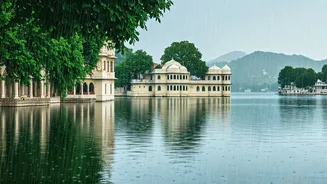
The quintessential example is Udaipur’s Sajjan Garh Palace, famously known as the Monsoon Palace. Perched high on a peak in the Aravalli Hills, this 19th-century white marble structure was the vision of Maharana Sajjan Singh. His ambitious plan was to
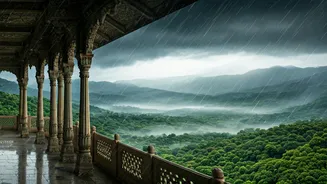
create a nine-story astronomical observatory to track the monsoon clouds, a vital task for an agrarian kingdom. Though his untimely death meant the grand observatory was never fully realised, his successor, Maharana Fateh Singh, completed the structure as a royal retreat and hunting lodge. Its primary purpose became what its name suggests: a place to watch the dramatic arrival of the monsoon. From its vantage point, the royal family could enjoy panoramic views of the city's lakes and surrounding countryside transforming under the rain.
The Modern Monsoon Pilgrimage
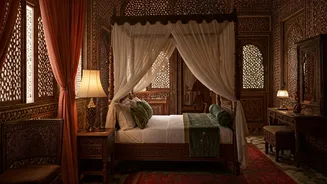
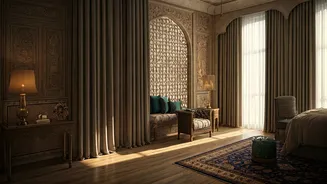
Today, the allure of these historic structures is being rediscovered. Monsoon travel in India is seeing a significant surge, with a 20-30% increase in queries compared to last year. Travellers are increasingly seeking out destinations that come alive during the rainy season, and heritage properties are a top choice. The trend isn't just about visiting a single palace; it's about embracing a new kind of tourism. This involves staying in restored havelis, palaces, and forts that offer a luxurious connection to India's past. These heritage hotels provide a unique blend of history, comfort, and the atmospheric beauty of the monsoon, allowing guests to feel like royalty while watching the rain sweep across ancient landscapes.
Experiencing the Ethereal Beauty
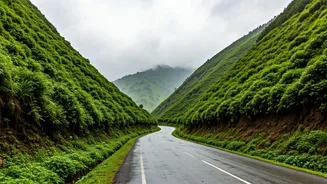
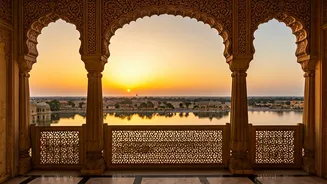
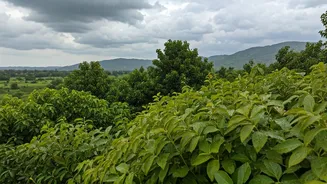
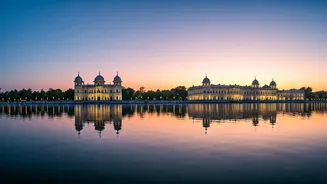
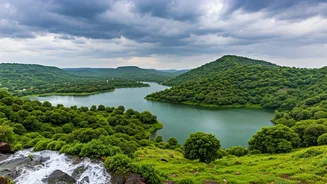
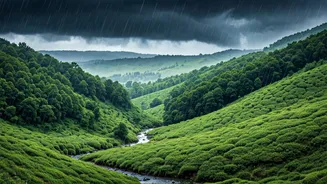
Visiting a monsoon palace during the rains is an experience that engages all the senses. The Sajjan Garh Palace, for instance, becomes an ethereal vision, often shrouded in mist and clouds, making it feel like a floating castle. The surrounding Aravalli hills, parched during the summer, burst into vibrant green, creating a stunning contrast against the white marble. The views from the palace terraces are legendary, especially at sunset when the sky puts on a spectacular show of colour against the dramatic cloudscape. This experience-led travel focuses on atmosphere and immersion. It’s a chance to slow down, enjoy the cool weather, and see a different, more romantic side of regions typically known for their desert landscapes.
Beyond the Archetype
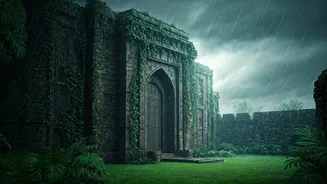
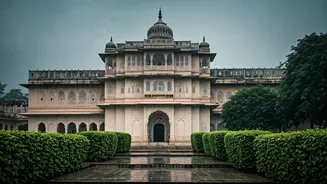
While Udaipur’s Monsoon Palace is the most famous, the trend extends to other royal residences that are equally captivating during the rains. In Jaipur, the City Palace, a grand complex of Rajput and Mughal architecture, takes on a magical glow in the soft monsoon light. In Madhya Pradesh, the former princely capital of Orchha is dotted with palaces and cenotaphs, like the Amar Mahal, which has been converted into a heritage hotel where guests can experience royal living amidst lush monsoon scenery. Even forts not explicitly built for the monsoon, such as the Six Senses Fort Barwara in Rajasthan, are becoming sought-after rainy-season getaways, offering activities like heritage walks and cultural workshops perfect for an indoor afternoon. This shows a broader appreciation for how the monsoon transforms these historic sites into tranquil, romantic retreats.