



Understanding Your Inner Ecosystem
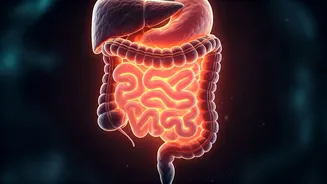
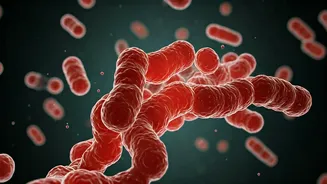
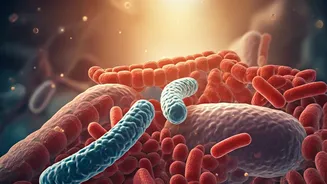
Think of your gut, specifically your intestines, as a bustling metropolis populated by trillions of microorganisms—bacteria, viruses, and fungi. This community is known as the gut microbiome. For years, we thought of bacteria only as germs to be avoided,
but we now understand that a diverse and balanced microbiome is the cornerstone of good health. These tiny residents help digest food, produce essential vitamins, regulate our immune system, and even protect against harmful pathogens. When this delicate ecosystem is out of balance (a state called 'dysbiosis'), it can contribute to everything from digestive issues like bloating and gas to wider problems like skin conditions, low energy, and even poor mental health.
The Gut-Brain Connection Is Real
Have you ever felt 'butterflies' in your stomach when nervous or made a 'gut decision'? That’s not just a saying; it’s a direct line of communication between your gut and your brain, known as the gut-brain axis. Your gut is often called the 'second brain' because it contains millions of nerve cells and produces many of the same neurotransmitters—like serotonin, the 'happy chemical'—as your brain. An unhealthy gut can send stress signals to the brain, while a healthy gut can promote feelings of calm and well-being. This explains why chronic stress can wreck your digestion, and why improving your gut health can sometimes lead to a better mood and clearer thinking. It's all connected.
Nourish with Probiotics: The Good Bacteria
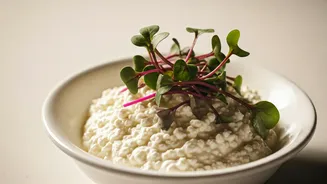
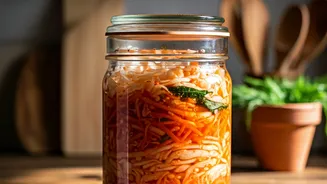
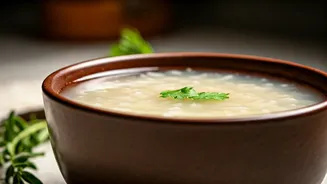
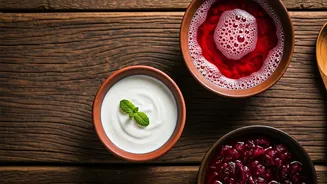
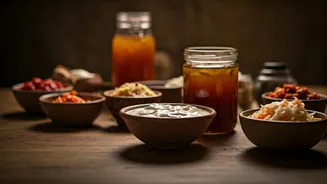
The most direct way to support your gut is by introducing beneficial bacteria, known as probiotics. These are live microorganisms that, when consumed in adequate amounts, confer a health benefit. Thankfully, traditional Indian cuisine is rich in natural sources of probiotics. The most common is dahi (yoghurt), a fermented food staple in many households. Other fantastic sources include homemade pickles (achar, as long as they are fermented and not just preserved in vinegar and oil), dosa and idli batter (the fermentation process creates beneficial bacteria), and fermented drinks like Kanji. Aiming to include one source of probiotics in your daily diet is a simple yet powerful step.
Feed the Good Bugs with Prebiotics
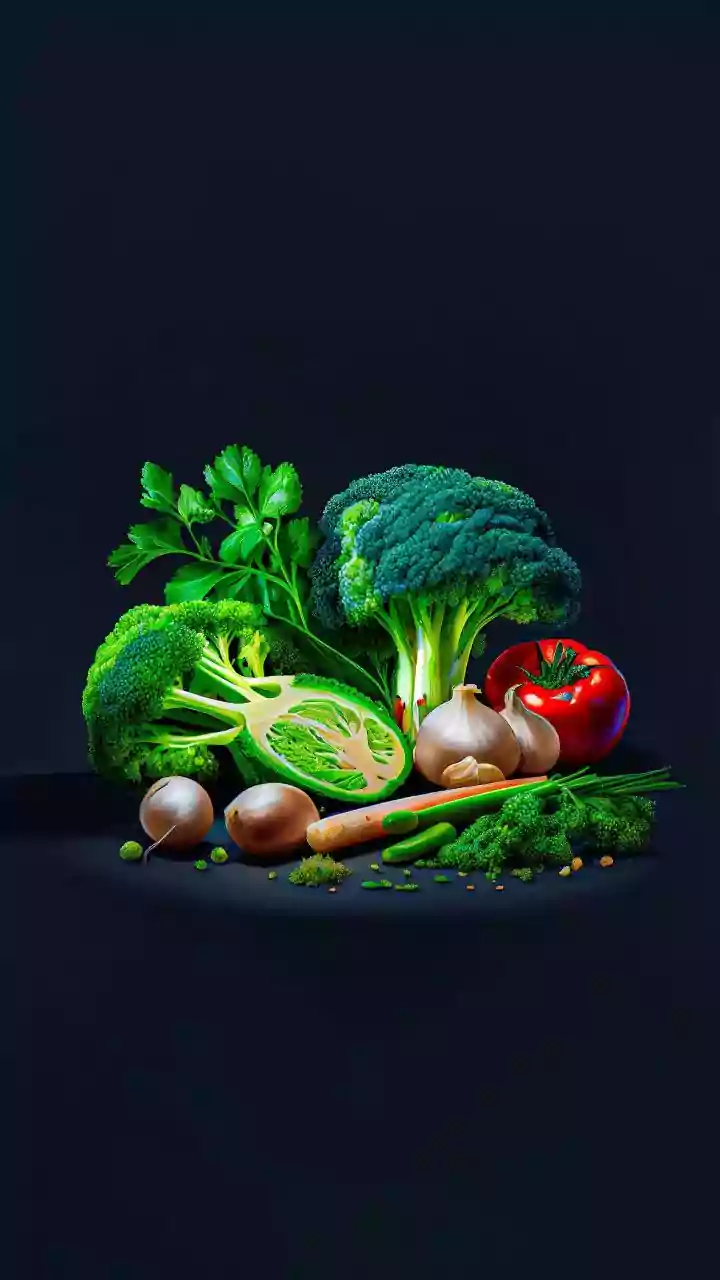
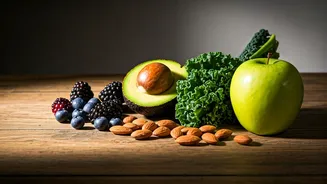
Just adding good bacteria isn't enough; you also need to feed them. This is where prebiotics come in. Prebiotics are types of dietary fibre that your body cannot digest, so they travel to your lower digestive tract where they become food for the healthy bacteria in your gut. Think of them as fertiliser for your inner garden. Prebiotic-rich foods are easy to find and incorporate into your meals. Excellent sources include onions, garlic, bananas (especially when slightly green), oats, apples, barley, and legumes like chickpeas and lentils (dal). By eating a variety of these high-fibre foods, you ensure your beneficial gut microbes have the fuel they need to thrive and keep your system balanced.
Simple Habits for a Happy Gut
Beyond specific foods, your overall lifestyle plays a huge role. First, prioritise whole foods over highly processed ones. Processed foods, high in sugar and unhealthy fats, can feed the 'bad' bacteria and disrupt your gut's balance. Choose whole wheat roti over white bread and brown rice over white rice. Second, manage your stress. Chronic stress can negatively alter your gut bacteria. Practices like yoga, meditation, or even a short daily walk can make a difference. Third, stay hydrated. Water is essential for maintaining the mucosal lining of the intestines and helps balance good bacteria. Finally, get enough sleep. Poor sleep can have a surprisingly quick and negative impact on your microbiome. These small, consistent habits work together to create a supportive environment for your gut health to flourish.