
The Two Types of Dietary Iron
To understand why this pairing is so powerful, it’s important to know that dietary iron comes in two forms: heme and non-heme. Heme iron is found in animal products like meat, poultry, and fish. It is easily absorbed by the body, with up to 30-35% of
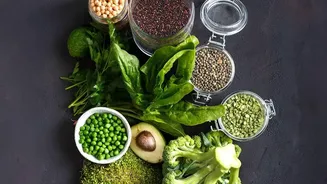
it being readily available for use. In contrast, non-heme iron, which is found in plant-based foods like leafy greens, beans, lentils, and nuts, is harder for our bodies to absorb. The absorption rate for non-heme iron is much lower, typically ranging from just 2% to 10%. This difference in bioavailability is why those on vegetarian or vegan diets need to be more strategic about their iron intake.
Vitamin C: The Key to Unlocking Plant Iron
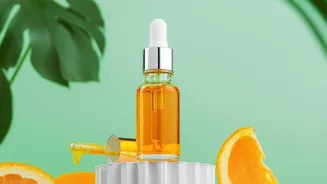
This is where Vitamin C, or ascorbic acid, plays a starring role. Non-heme iron from plants is mostly in a chemical form called ferric iron (Fe3+), which our gut cannot easily absorb. Vitamin C is a potent reducing agent, meaning it can donate an electron to convert this ferric iron into ferrous iron (Fe2+), the form that our intestinal cells can transport and use. Furthermore, Vitamin C forms a soluble complex with the iron, which keeps it from binding with other compounds in the gut that would otherwise inhibit its absorption. Studies have shown that this effect is significant; adding Vitamin C to a meal can increase non-heme iron absorption by several times. The headline's claim of 'doubling' absorption is well within the range of possibilities, with some studies showing increases of 96.9% or even more, depending on the meal's composition.
Your Ultimate Food Pairing Guide
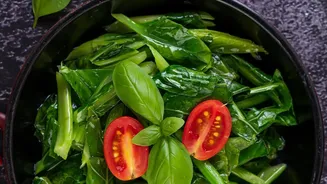
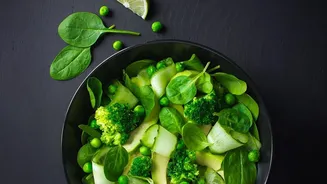
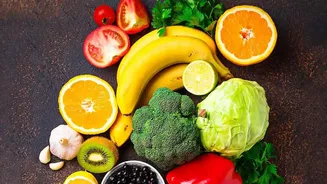
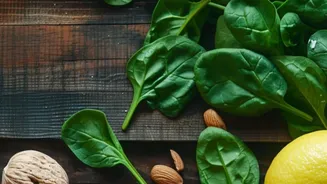
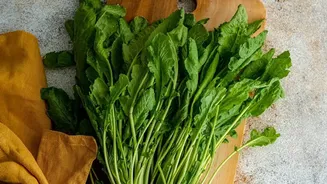
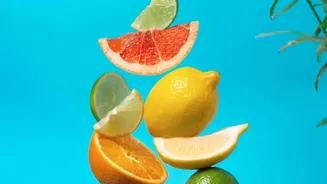
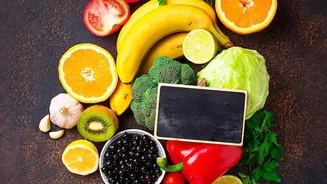
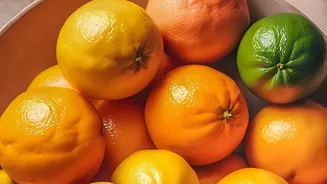
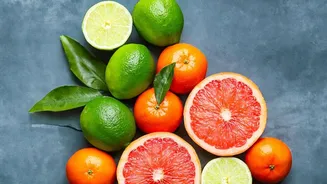
Putting this science into practice is simple and delicious. The goal is to combine iron-rich leafy greens with a good source of Vitamin C in the same meal. For an Indian context, think of common greens like spinach (palak), fenugreek (methi), amaranth (chaulai), and mustard greens (sarson ka saag). These are packed with non-heme iron. Pair them with citrus fruits like lemon (nimbu) and orange (santra), or other Vitamin C powerhouses such as amla (Indian gooseberry), tomatoes, and bell peppers. Even a small amount of Vitamin C can make a substantial difference. Just 25-50 mg of Vitamin C per meal—the equivalent of about half an orange or a generous squeeze of lemon juice—can significantly boost absorption.
Simple Meal Ideas to Boost Your Iron
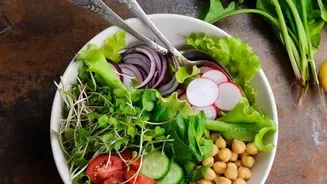
Integrating this powerful combination into your daily diet doesn't require a major overhaul. It can be as easy as making small tweaks to your favorite dishes. Consider squeezing fresh lemon juice over your dal palak or a bowl of lentil soup. Enjoy a glass of fresh orange juice alongside a breakfast of spinach-stuffed parathas. You could also create a vibrant salad with a base of mixed greens, topped with orange segments, pomegranate seeds, and a lemon-based vinaigrette. Adding finely chopped tomatoes and bell peppers to your sabzis, curries, and bhurjis is another excellent way to ensure you're getting that crucial Vitamin C with your iron-rich vegetables and legumes.
What to Avoid for Better Absorption
Just as Vitamin C enhances iron absorption, other compounds can hinder it. The main culprits are phytates, found in whole grains, beans, and nuts, and polyphenols (including tannins) found in tea and coffee. Calcium is another known inhibitor of both heme and non-heme iron. This doesn't mean you should avoid these foods, but rather be mindful of timing. Try to avoid drinking tea or coffee within an hour of an iron-rich meal. If you take calcium supplements, it's best to take them at a different time of day than your main iron-focused meals. By being strategic, you can maximize your body's ability to absorb the essential iron from your plant-based diet.