

The Shift from Taste to Total Wellness
For decades, snacking decisions in India were driven primarily by taste and tradition. Today, a new generation of health-conscious consumers, particularly millennials and Gen Z, is rewriting the rules. This shift is rooted in a growing awareness of long-term
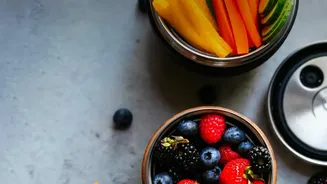
wellbeing and the impact of lifestyle diseases. Young Indians are no longer just counting calories; they are scrutinizing ingredient lists, seeking out functional benefits, and demanding transparency from brands. Terms like 'high-protein,' 'high-fibre,' 'gluten-free,' and 'no artificial additives' have moved from niche health food stores into mainstream conversation and purchasing habits. This move towards mindful eating means snacks are now expected to do more than just satisfy a craving—they must contribute to overall health goals, from boosting immunity to providing sustained energy.
Meet the New Snack Superstars
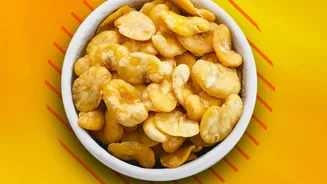
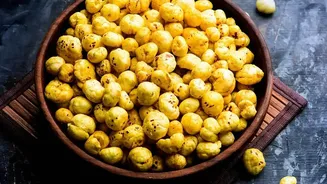
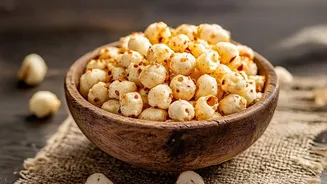
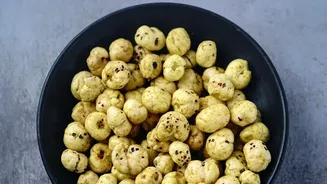
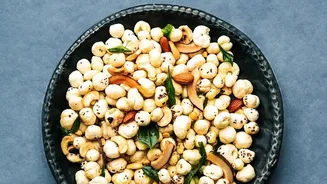
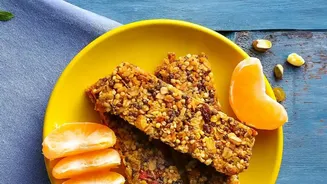
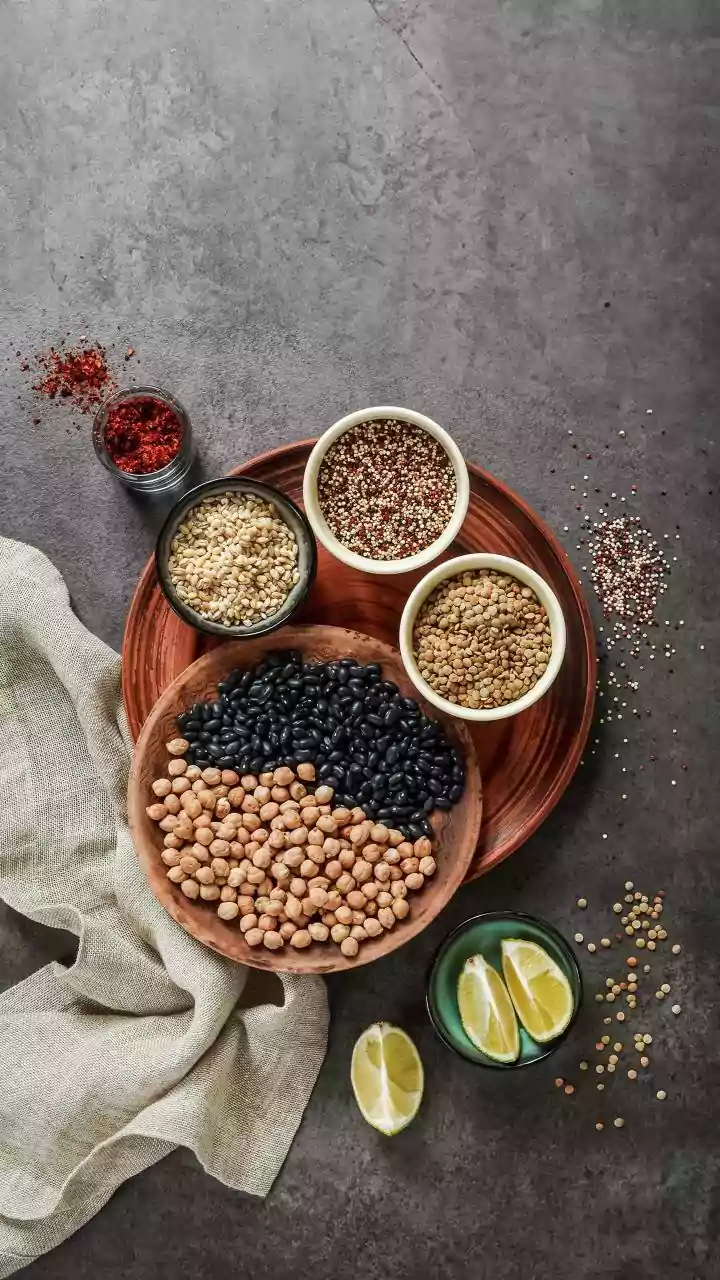
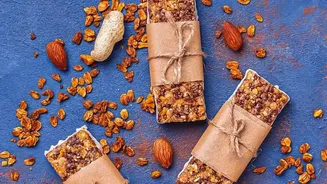
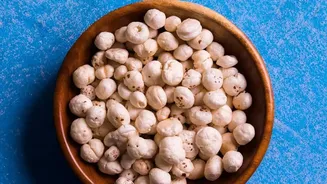
So, what is replacing the old guard? The new snack aisle is diverse and innovative. Roasted makhana (fox nuts), once considered a simple fasting food, has been elevated to a mainstream crunchy alternative to potato chips, available in a dozen gourmet flavours. Ancient grains like millets (jowar, ragi, bajra) are making a powerful comeback in the form of baked puffs, crackers, and cookies, offering a nutrient-dense alternative to refined flour products. The demand for protein has led to a surge in products like Greek yoghurt, granola bars, and nut and seed mixes, which are now seen as everyday essentials rather than post-workout fuel. Even within traditional categories, the preference is for 'better-for-you' versions, such as baked samosas, vacuum-fried vegetable chips, and snacks made with healthier oils.
The Digital Pantry and D2C Revolution
This transformation wouldn't be possible without the twin engines of technology and direct-to-consumer (D2C) brands. India is home to hundreds of new-age food startups that have leveraged digital platforms to connect directly with consumers, bypassing the limitations of traditional retail. These brands are agile, catering to specific dietary needs—from vegan to keto—and building communities around their products through savvy social media marketing. E-commerce giants and quick commerce apps have further democratised access, making it possible for someone in a Tier-2 city to discover and order a niche, organic snack that was previously only available in major metros. For young consumers, food discovery is now an online-first experience, heavily influenced by social media trends and creator recommendations.
Old Is Gold, But Reimagined for Today
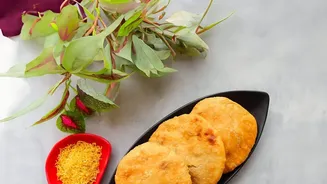
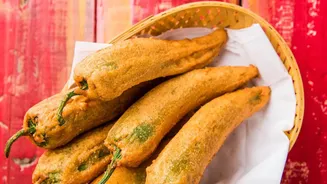
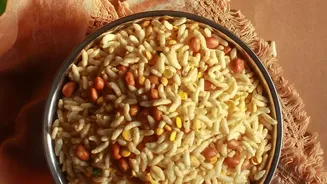
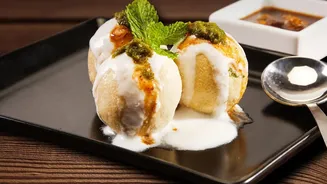
Interestingly, this snacking revolution isn't about completely abandoning tradition. Instead, it's about reinventing it for a modern audience. There is a strong resurgence of heritage Indian snacks, but with a contemporary twist. Brands are taking beloved classics like chikki (jaggery and nut brittle), ladoos, and regional namkeens and giving them a sophisticated makeover. This involves using high-quality ingredients, ensuring hygienic production, and, crucially, offering modern, convenient packaging. A slab of chikki becomes a sleek, portion-controlled bar; a homemade mathri is packaged in a resealable pouch. This approach resonates deeply because it combines the emotional comfort of familiar flavours with the practical needs and quality expectations of today's consumer.