





The Great Unwind: From Burnout to Balance
In a world defined by hustle culture and digital fatigue, the purpose of a vacation is transforming. For many young urban professionals, the goal is no longer to do more, but to feel better. This has given rise to the concepts of “slow travel” and the “calmcation,”
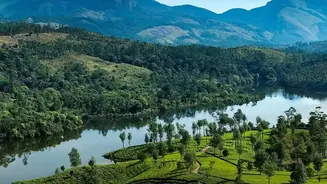
where the itinerary is intentionally sparse. Instead of rushing between landmarks, travellers are seeking out quiet homestays, eco-resorts, and boutique properties where the main activities are rest, reflection, and recovery from burnout. This desire for genuine downtime has made destinations known for their tranquil atmosphere—like the hills of Uttarakhand, the backwaters of Kerala, or the forests of Coorg—increasingly popular. The trip itself has become a form of self-care, an essential reset button rather than just an escape.
Wellness as the Main Attraction
This new travel philosophy goes beyond simply relaxing; it's about actively pursuing well-being. Wellness tourism in India is a rapidly growing segment, moving from a niche interest to a mainstream expectation. Young Indians are intentionally booking trips centred around structured wellness programmes. A trip to Rishikesh, for example, might now focus on a yoga programme and guided meditation instead of just river rafting. Similarly, many are drawn to Kerala for clinically structured Ayurvedic treatments or to silent retreat centres for a complete digital detox. This shift is also cultural, signalling a new willingness to travel specifically for emotional and mental health, whether it's for an anxiety management programme or a solo journey of self-discovery.
The 'Workation' Revolution
The rise of flexible and remote work has been a major catalyst for this trend, giving birth to the “workation.” This blend of work and travel allows young professionals to escape urban confines without using up their annual leave. They can maintain their work schedules from a scenic location, trading a city apartment for a mountain cottage or a beachside villa. A survey by FICCI and Thrillophilia found that a third of travellers now prefer working from natural settings. This has spurred the growth of work-friendly accommodations in destinations like Goa, Himachal Pradesh, and even Sikkim, which launched India's first “digital nomad village” in 2025. Improved internet connectivity and the availability of affordable, long-term stays have made these extended trips more accessible than ever.
Seeking Authenticity and Sustainability
Underpinning this entire movement is a deep desire for authenticity and a connection to local culture and the environment. Young travellers, particularly Gen Z, are increasingly choosing eco-friendly homestays over conventional hotels. These accommodations, often family-owned, offer a smaller carbon footprint through practices like rainwater harvesting and using solar power. More importantly, they provide a direct line to the local economy and community, fostering genuine cultural exchange. The preference for offbeat destinations with a low tourist footprint also aligns with a growing consciousness around sustainable travel. It's a choice that benefits both the traveller, who gets a more unique experience, and the host community, which sees direct economic support.