




Choose Your Monsoon Armour
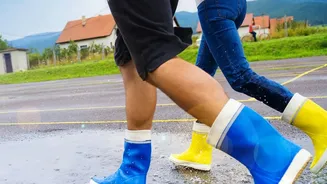
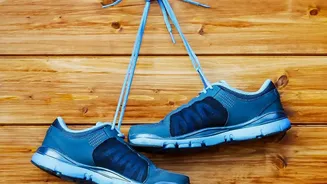
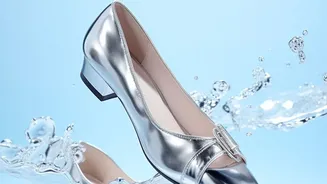
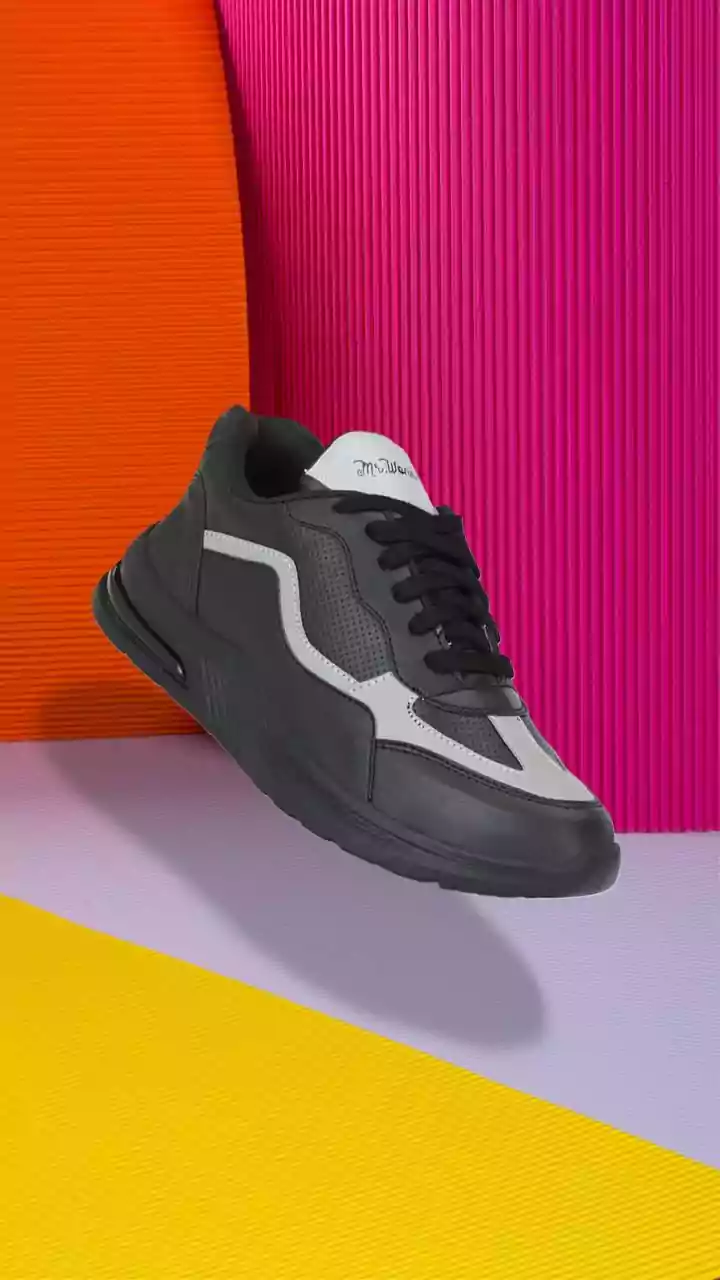
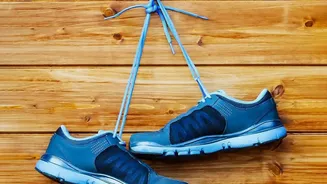
The best defence is a good offence. Choosing the right footwear can save you a lot of trouble. While gumboots are entirely practical, they aren't always office-appropriate. Instead, consider shoes with rubber or EVA soles, which provide excellent grip
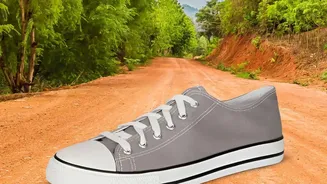
on slippery surfaces and create a waterproof barrier between your feet and the wet ground. For formal settings, leather shoes with rubber soles are a smart investment. Materials like PVC and other synthetics are also great choices as they are easy to wipe clean and dry quickly. Conversely, materials like suede, nubuck, and canvas should be avoided during heavy rain as they absorb water, stain easily, and can be permanently damaged.
Prevention is Better Than Cure
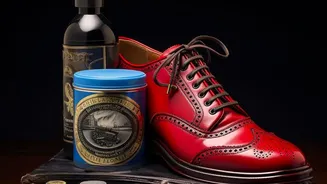
Before the first downpour, take some time to prepare your shoes. For smooth leather footwear, applying a wax-based polish can create a protective shield that causes water to bead and roll off. For an even stronger defence, a quality waterproofing spray is a must. These sprays create an invisible barrier against moisture and are essential for protecting suede and nubuck shoes, which cannot be waxed. Remember to reapply these treatments every few weeks during the monsoon, especially after cleaning your shoes. This small step can significantly prolong the life of your favourite pairs.
The Commuter's Survival Strategy
A smart commute strategy can make all the difference. One popular tactic is the "commute swap." Wear a pair of durable, waterproof shoes like rubber sandals or floaters for your journey to the office and carry your formal office shoes in a bag. This ensures your smart leather pair remains pristine and your feet stay dry. It's also wise to keep a spare pair of socks at your workplace. If your feet do get wet, changing into dry socks as soon as possible is crucial for comfort and preventing fungal infections. Finally, rotating your footwear is key. Avoid wearing the same pair of shoes two days in a row, as they need at least 24 hours to dry out completely in humid weather.
Emergency Rescue for Drenched Shoes
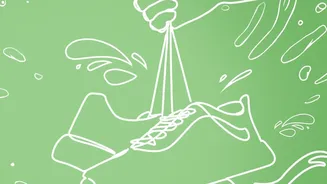
Despite your best efforts, sometimes getting caught in a downpour is unavoidable. When your shoes get soaked, act quickly. First, remove any surface mud or dirt with a soft cloth. Then, take out the insoles and laces to dry them separately. The most effective way to dry the shoe itself is to stuff it with crumpled newspaper. The paper will absorb moisture from the inside. Replace the damp newspaper every few hours until the shoes are mostly dry. Crucially, never use direct heat like a hairdryer or place them near a heater, as this can cause leather to crack and adhesives to melt, ruining the shoe's shape and structure. Instead, let them air dry in a well-ventilated room, perhaps near a fan.
Battling Odour and Fungus
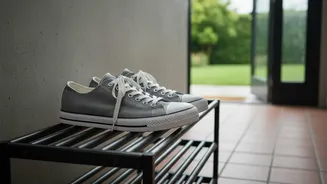
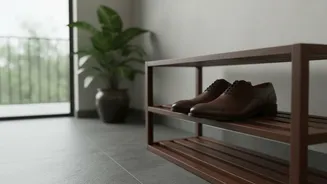
Dampness and humidity create a perfect breeding ground for bacteria and fungus, leading to unpleasant odours. Once your shoes are dry, sprinkle some baking soda inside and leave it overnight. The baking soda will absorb any lingering moisture and neutralise bad smells. Simply shake or vacuum out the powder the next morning. For storage, avoid closed cabinets where air cannot circulate. If you can, use cedar shoe trees, which absorb moisture, help maintain the shoe's shape, and leave a pleasant scent. Alternatively, placing a few silica gel packets inside your shoes when you store them can help absorb ambient humidity and prevent mould growth.