




The Power of a Royal Narrative
The global Ayurvedic market is booming, expected to grow significantly in the coming years. A major driver of this growth is the appeal of its rich history, often linked to the opulent wellness rituals of Indian royalty. Brands frequently cite the beauty
practices of figures like Empress Nur Jahan or Rani Samyukta to lend their products an air of timeless luxury and proven efficacy. This narrative suggests that modern consumers can access the very same secrets that created legendary beauty centuries ago. The idea is captivating: a connection to a regal past, bottled for our modern vanities. But while the tradition is real, the story sold today is often a simplified, romanticised version of a much more complex history.
What the Legacy Proves: A Foundation in Potent Botanicals
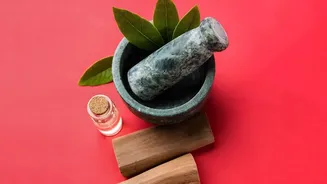
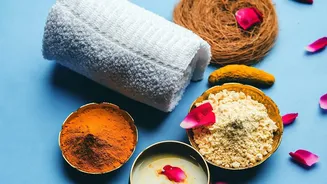
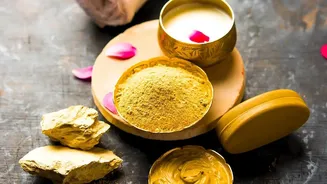
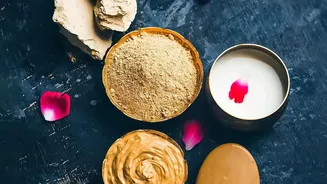
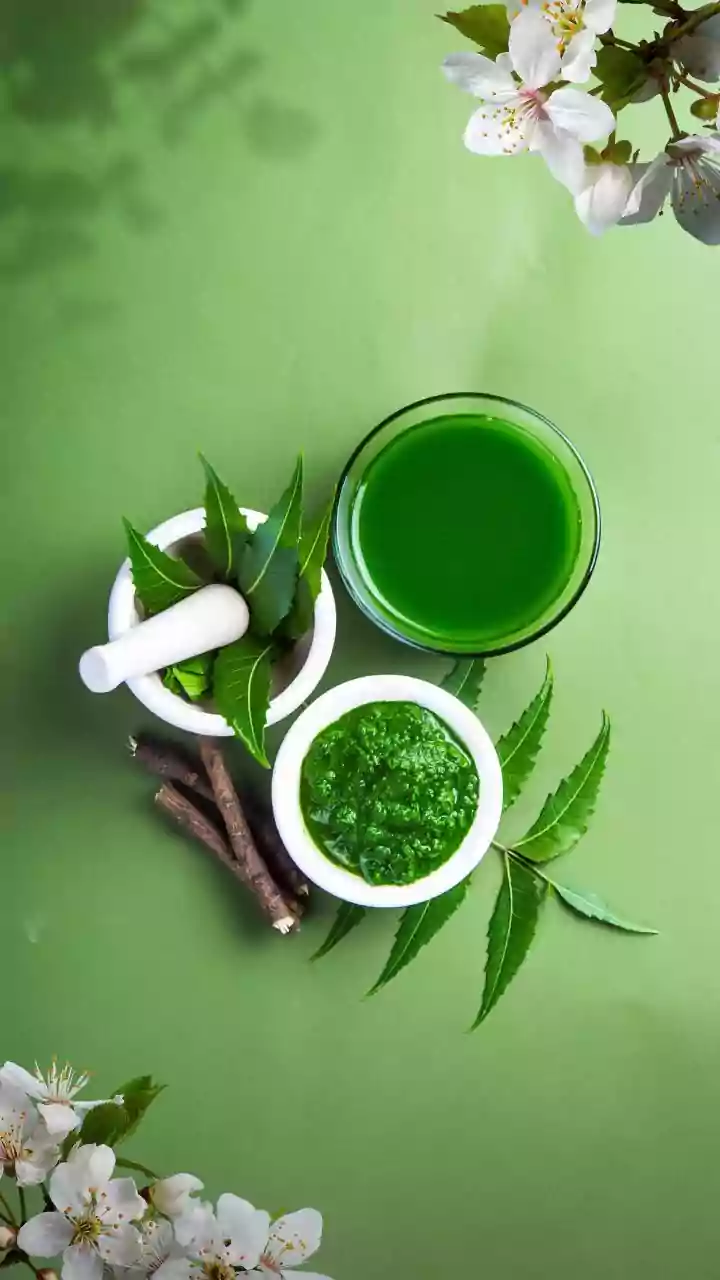
The core truth of the Ayurvedic beauty legacy lies in its ingredients. For millennia, plants like turmeric, sandalwood, neem, and saffron have been staples in Indian skincare. Ancient texts like the Charaka Samhita detail the use of various herbs for skin health. Turmeric's anti-inflammatory and brightening properties, sandalwood's cooling effects, and neem's antimicrobial benefits are not just traditional beliefs; modern science is increasingly validating these properties. For instance, research confirms that curcumin, the active compound in turmeric, has antioxidant and anti-inflammatory effects. Royals and commoners alike used these botanicals in preparations like 'ubtan', a paste of flour, turmeric, and other ingredients, to cleanse and brighten the skin. This tradition proves that a deep, practical knowledge of local flora and its benefits is the true foundation of Ayurvedic beauty.
What the Legacy Proves: A Genuinely Holistic Approach
Ayurveda was never just about topical applications. Its definition of beauty is holistic, viewing the skin as a mirror of internal health. According to Ayurvedic principles, true radiance comes from balancing the body's 'doshas' (Vata, Pitta, and Kapha) through diet, digestion, sleep, and stress management. This philosophy suggests that skin issues are symptoms of a deeper imbalance. Historical practices were interwoven with seasons and daily rituals ('dinacharya') for overall wellbeing. This ancient emphasis on the gut-skin connection and managing lifestyle factors is now a major conversation in modern dermatology, proving that Ayurveda was ahead of its time in its holistic view of what it means to be well and look radiant.
What the Legacy Doesn't Prove: Unchanged 'Secret' Formulas
The idea that you are buying a queen's 'secret formula' is one of the biggest myths. While royals certainly had access to luxurious ingredients, their skincare was highly personalized and often prepared fresh by Vaidyas (Ayurvedic practitioners). These were not standardized, shelf-stable products. Ancient texts offer different formulations for different seasons and individuals. Furthermore, the preparation method, or 'Vidhi', was considered as important as the ingredients themselves, involving specific processes to maximize potency that are difficult to replicate on a mass scale. While modern brands are inspired by these traditions, their products are necessarily adaptations, using preservatives and standardized formulas for a global market. The legacy provides a blueprint, not an identical, preserved recipe.
What the Legacy Doesn't Prove: Instant Fixes or Universal Safety
Modern marketing often promises quick, miraculous results, but this contradicts the core philosophy of Ayurveda, which is about gradual, consistent care. Skin renews itself over weeks, and the Ayurvedic approach works with this natural rhythm rather than promising an overnight transformation. Another dangerous myth is that 'natural' equals safe for everyone. Poison ivy is also natural. Potent botanicals can cause allergies or irritation, especially on sensitive skin. Ayurvedic tradition itself stresses the importance of individual constitution ('prakriti') and intelligent application. Blindly using an ingredient without considering your specific skin type and needs goes against the very principles of personalized care that Ayurveda was built on. A patch test is always a wise modern step.
Appreciating the Wisdom, Not Just the Story
The legacy of royal Ayurvedic beauty is rich and valuable, but its true worth isn't in mythical tales of secret potions. It's in the enduring principles of using potent, natural ingredients and embracing a holistic view of health where beauty reflects inner balance. As consumers, we can honour this tradition by looking beyond the 'royal' label on the bottle. Focus on the ingredient list, understand the philosophy of internal wellness, and choose brands that respect the science behind the botanicals. The real Ayurvedic treasure is not a lost recipe from a palace, but the timeless wisdom that connects our skin to our overall wellbeing.