






The New 30-Day Rule Explained
After a period of uncertainty, the Thai government has confirmed its latest visa policy for Indian passport holders. As of mid-July 2026, the temporary 60-day visa exemption has been officially replaced with a 30-day visa-free entry scheme. This move
was made to provide clarity after an earlier proposal to scrap the visa waiver led to a decline in tourist arrivals from India. So, to be clear: Indian tourists can enter Thailand without a visa and stay for up to 30 days. This is not a Visa on Arrival (VoA), which is a different category with separate requirements; it is a straightforward visa exemption. This policy aims to align with the typical travel patterns of Indian tourists, who on average visit for shorter periods.
Return Tickets: A Non-Negotiable Requirement
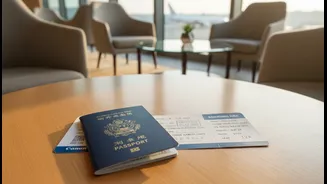
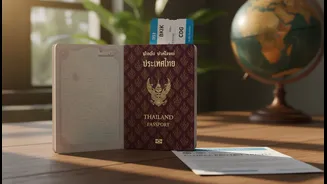
One of the most critical rules to be aware of is the requirement for a confirmed onward or return ticket. This is not a suggestion but a mandatory condition of entry under Thailand's Immigration Act. Travellers must be able to prove they intend to leave the country within their permitted 30-day stay. Enforcement happens at two key points: first by the airline staff at your departure airport, who may deny boarding without it, and second by Thai immigration officers upon arrival. A confirmed flight ticket is the most reliable proof. While bus or train tickets to neighbouring countries might work for land border crossings, airlines and airport immigration officials strongly prefer flight confirmations. Trying to enter without this documentation can lead to significant delays or even refusal of entry.
Proof of Funds: Be Prepared for a Spot Check
While not always checked, immigration officers have the right to ask for proof of sufficient funds to cover your stay. This is a long-standing rule that has seen increased attention recently. For those entering under the visa exemption scheme, the official requirement is 10,000 Thai Baht (THB) per person or 20,000 THB per family. It is wise to have this amount accessible, either in cash (Thai Baht or an equivalent major currency) or via a bank statement. Some advisories issued during the period of visa confusion mentioned a higher amount of 20,000 THB per person, so being prepared with a bit more is never a bad idea. These checks are conducted at the discretion of the immigration officer, so having the funds ready can prevent any potential issues.
Travel Insurance: Not Mandatory, but Highly Recommended
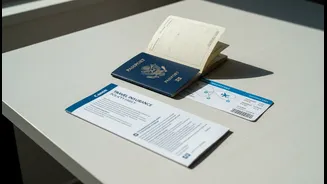
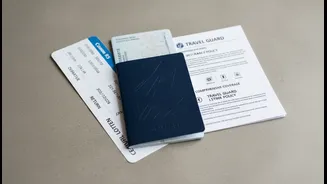
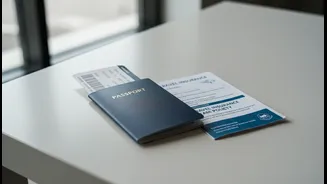
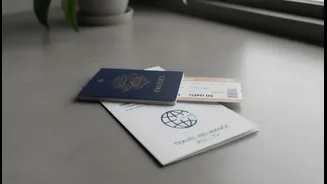
Currently, travel insurance is not a compulsory requirement for tourists entering Thailand. However, it is strongly recommended by travel experts and authorities alike. Your domestic health insurance policy will not be valid in Thailand, meaning you would have to pay out-of-pocket for any medical treatment, which can be extremely expensive. The Thai government has previously considered making insurance mandatory due to the high cost of unpaid medical bills incurred by uninsured tourists. A good travel insurance plan provides a safety net not just for medical emergencies but also for trip cancellations, delays, and lost baggage, offering peace of mind for a relatively small cost.
Planning for Longer Stays
If 30 days isn't enough to explore the Land of Smiles, you have a couple of options. The most straightforward is to apply for a 30-day extension of your visa-free stay. This can be done at a local immigration office in Thailand for a fee of 1,900 THB, giving you a total of 60 days. It is best to apply for this extension at least a week before your initial 30-day permit expires. For those who know from the start that they want to stay longer, the better option is to apply for a 60-day single-entry Tourist Visa (TR) from a Thai embassy or consulate in India before you travel. This visa can also be extended in Thailand for another 30 days, allowing for a potential 90-day stay.
Your Pre-Arrival Checklist
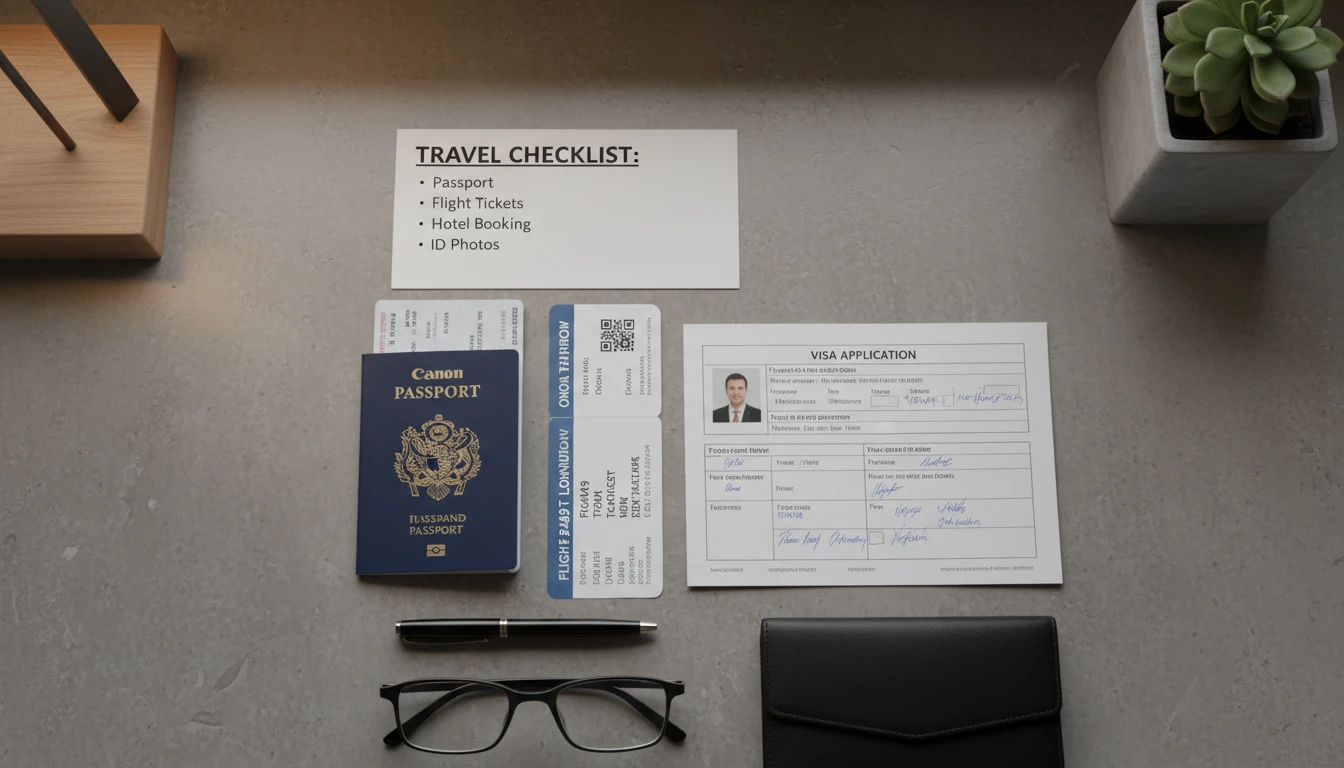
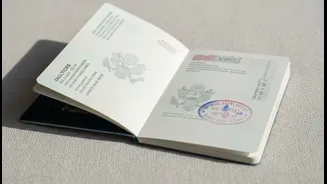
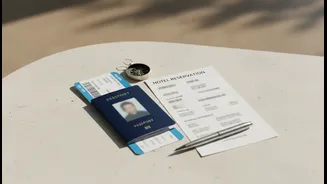
To ensure a smooth arrival, have these documents and details in order. First, your passport must be valid for at least six months from your date of entry. Second, all foreign travellers must complete the Thailand Digital Arrival Card (TDAC) online within 72 hours before arriving. This is a mandatory step and generates a QR code that you must present at immigration. Finally, have proof of your accommodation, such as hotel bookings, readily available. Having all your documents—passport, TDAC QR code, return ticket, and accommodation proof—organized and accessible will make your immigration experience quick and seamless.