







The Perfect Storm of Delays
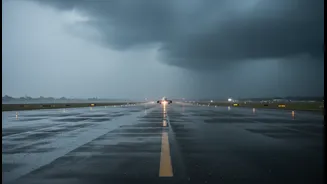
Travellers in the national capital are facing a double whammy. The annual monsoon season has arrived with force, leading to intense rainfall, widespread waterlogging, and severe traffic congestion across Delhi and the NCR. On Tuesday, July 7, the India
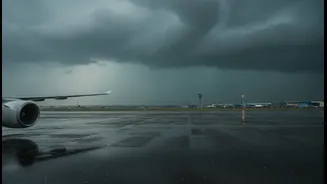
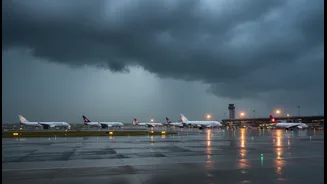
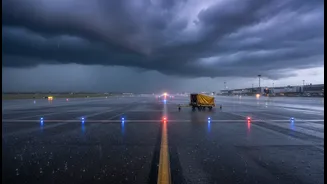
Meteorological Department (IMD) even issued a red alert for the city, cautioning residents about intense showers and squally winds. This has a direct knock-on effect on airport travel, with airlines explicitly advising passengers to allow for extra travel time due to slow-moving traffic. Compounding the issue, the adverse weather itself is causing flight disruptions. Major carriers like IndiGo, Air India, Akasa Air, and SpiceJet have all issued advisories in early July, warning that bad weather is impacting flight schedules, leading to delays, diversions, and potential cancellations. On one day alone, 15 flights were diverted from Delhi to other airports like Jaipur and Lucknow due to the weather.
The Cab Buffer: Your New Best Friend
The phrase “book a cab and go” no longer applies, especially during the monsoon. The combination of torrential rain and high passenger volumes at one of the world's busiest airports creates significant challenges for securing a ride. Akasa Air specifically warned passengers on July 9th about slow-moving traffic and congestion on roads leading to the airport, urging them to plan for additional travel time. This isn't just about traffic; getting a cab from the airport has its own persistent issues. Passengers frequently report drivers refusing to come to designated pickup zones to avoid airport parking fees, asking customers to meet them on the main road, which causes further delays and inconvenience. To counter this, building a substantial “cab buffer” into your schedule is no longer optional, it's essential. This means planning for your journey to the airport to take significantly longer than usual.
How Much Buffer Time Is Enough?
While there's no magic number, a good rule of thumb during the current conditions is to add at least 60 to 90 minutes to your standard airport travel time. If your trip from home to the terminal typically takes an hour, plan for it to take two or even two-and-a-half hours. This extra time accounts for unpredictable traffic jams caused by waterlogging and the potential difficulty in finding a cab that will agree to your ride promptly. Airlines themselves have reinforced this, with IndiGo asking passengers to factor in extra commute time. The goal is to arrive at the airport relaxed, not stressed from a frantic, last-minute journey. It is always better to be early and wait at the terminal than to risk missing your flight due to circumstances entirely outside your control.
Flight Alerts: From Nuisance to Necessity
In this volatile weather, passively waiting for a single SMS from your airline is a risky strategy. Actively monitoring your flight status is crucial. All major airlines, including Air India, IndiGo, and SpiceJet, have urged passengers to check for the latest updates before even leaving for the airport. These advisories are not just a formality; with weather impacting schedules, your flight time could change with little notice. Use multiple sources: download your airline's mobile app and enable push notifications, check the official Delhi Airport website's live flight tracker, and keep an eye on the airline's social media feeds. Knowing about a delay or cancellation while you are still at home or the office is far better than finding out after a stressful, rain-soaked journey to the airport.
Consider Your Alternatives: The Metro Advantage
When the roads are choked and unpredictable, it pays to look for alternatives. The Delhi Metro's Airport Express Line is often the most reliable way to get to and from IGI Airport, especially Terminal 3. It is immune to traffic jams and waterlogging, offering a fixed travel time from the city centre. Airport authorities themselves have advised passengers to consider using the metro to avoid traffic snarls during periods of heavy rain. While it may require an extra bit of planning to handle your luggage, the peace of mind and predictability it offers during the monsoon season can be invaluable. If your flight is from a terminal not directly connected by the metro, you can still use it for a major part of the journey and then take a short cab ride, minimizing your exposure to road congestion.