








The Underrated Power of Ten Minutes
Many people believe that for a workout to 'count', it must be long, intense, and leave you exhausted. This all-or-nothing mindset is often what derails fitness goals. The good news is that science supports a more manageable approach. Research shows that even
short bursts of daily activity can yield significant health benefits. These brief sessions, sometimes called 'exercise snacks', contribute to improved cardiovascular health, better blood sugar regulation, and reduced stress. A 10-minute workout is long enough to get your heart rate up and stimulate your muscles but short enough to fit into the busiest of schedules. The cumulative effect of these daily sessions adds up. One study found that adding just 10 minutes of moderate activity per day could potentially add years to your life. It’s a powerful reminder that consistency trump duration every time.
The Psychology of Starting Small
The secret to building a habit that sticks lies in psychology. New habits are formed through repetition, which strengthens the neural pathways in your brain until the behavior becomes automatic. Starting with a goal as small as a 10-minute workout lowers what experts call 'activation energy'—the effort required to just begin. An hour-long session can feel daunting, making it easy to procrastinate. But ten minutes? That's achievable even on low-energy days. This approach is built on securing 'small wins'. Each time you complete your daily 10-minute routine, you get a small dopamine boost and reinforce the identity of being someone who exercises regularly. This feeling of accomplishment builds momentum, making you more likely to show up again the next day. Over time, it's this consistency that transforms a deliberate action into an effortless part of your day.
Your 10-Minute Bodyweight Blueprint
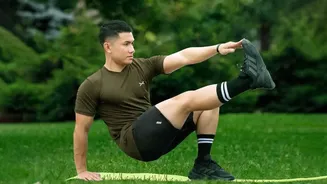
You don't need any equipment to get a fantastic workout in 10 minutes. The key is to focus on compound movements that engage multiple muscle groups at once. Try structuring your workout as a circuit: perform each exercise for a set amount of time (e.g., 45 seconds of work followed by 15 seconds of rest) and move to the next. Here is a sample full-body routine: Squats (for legs and glutes), Push-ups (on your knees or toes for chest and arms), Lunges (alternating legs), Plank (for core stability), and Jumping Jacks (for a cardio boost). Complete two full rounds of this circuit, and you’ll have an effective, total-body workout. For variety, you can create different 10-minute routines that focus on specific areas, such as a core day with planks, mountain climbers, and glute bridges, or a mobility day with gentle stretches and dynamic movements.
Making It Stick with Habit Stacking
One of the most effective techniques for ensuring consistency is 'habit stacking'. This involves linking your new 10-minute workout to an existing, firmly established daily habit. The formula is simple: 'After/Before [CURRENT HABIT], I will do [NEW HABIT]'. For example: 'After I brush my teeth in the morning, I will do my 10-minute workout in the living room'. Or, 'Right before I have my lunch, I will complete my 10-minute routine'. By tethering the new behaviour to something you already do automatically, you remove the need to rely on motivation or willpower. The existing habit acts as a powerful, automatic trigger. Other examples include doing squats and lunges while your coffee brews or performing a quick routine as soon as you get home from work, before you have a chance to sit down.
Overcoming Inevitable Hurdles
Even with a 10-minute routine, there will be days when you feel tired, unmotivated, or bored. The key is to have a plan for these moments. If you're feeling fatigued, give yourself permission to lower the intensity. Instead of jumping jacks, do a brisk march in place. Instead of full push-ups, hold a plank. The goal is simply to show up and maintain the chain of consistency. To combat boredom, have two or three different 10-minute routines you can cycle through during the week. Most importantly, abandon the all-or-nothing mindset. If you miss a day, it doesn't mean you've failed. Simply get back to your routine the next day. A sustainable fitness habit isn't about perfection; it's about persistence.