







What Exactly Is Dietary Fiber?
Before we dive into the benefits, let’s quickly understand what fiber is. Simply put, it's a type of carbohydrate that your body can't digest. Instead of being broken down for energy, it passes through your digestive system largely intact. There are two
main types: soluble fiber, which dissolves in water to form a gel-like substance (found in oats, apples, and beans), and insoluble fiber, which adds bulk to your stool (found in whole grains and vegetables). Both are crucial, and most plant-based foods contain a mix of the two. Think of it as the structural foundation of plants, and in turn, the foundation of a robust diet.
The Master of Satiety and Weight Management
One of the biggest hurdles in any fitness plan is managing hunger and calorie intake. This is where fiber shines. High-fiber foods are typically more filling than their low-fiber counterparts because they take longer to chew and digest. Soluble fiber, in particular, slows down the emptying of your stomach, making you feel full for longer. This feeling of satiety, or fullness, is a powerful tool. It helps reduce overall calorie consumption without feeling deprived, making it easier to achieve the calorie deficit often needed for fat loss. By stabilising your hunger cues, fiber prevents the energy crashes that lead to snacking on high-sugar, low-nutrient foods.
Fuel for a Stronger Workout
Your performance in the gym is directly linked to your energy levels. While simple carbs provide a quick burst of energy, they often lead to a subsequent crash. Fiber changes the game by slowing the absorption of sugar into your bloodstream. When you eat a meal rich in fiber, you get a more stable and sustained release of energy. This means no drastic spikes and dips in blood sugar. For your fitness routine, this translates to consistent energy throughout your workout, allowing you to push harder for longer. A pre-workout snack of a banana or a handful of almonds can provide that steady fuel you need to power through your last set.
Your Gut: The Secret Fitness Partner
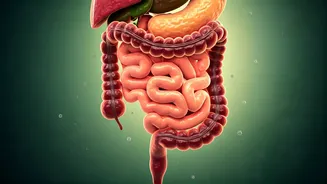
A healthy gut is essential for overall health, and it plays a surprisingly large role in fitness. Your gut microbiome—the trillions of bacteria living in your digestive tract—influences everything from inflammation to nutrient absorption. Fiber is the preferred food for your good gut bacteria. When they feast on fiber, they produce compounds called short-chain fatty acids (SCFAs), which have powerful anti-inflammatory effects. Reducing systemic inflammation can help with muscle recovery and reduce post-workout soreness. Furthermore, a healthy gut ensures you are effectively absorbing all the vital nutrients—protein, vitamins, and minerals—from your food, which are essential for muscle repair and growth.
Easy Ways to Boost Your Fiber Intake
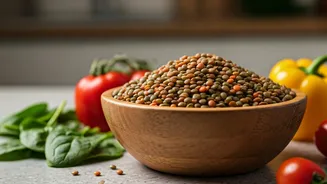
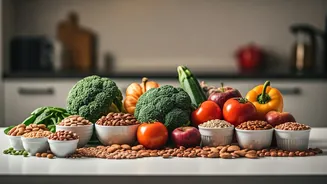
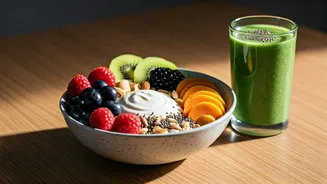
Increasing your fiber intake doesn't have to be complicated. It’s about making smart, simple swaps. Here are some Indian-diet-friendly ways to do it: * **Embrace Whole Grains:** Swap white rice for brown rice or quinoa. Choose rotis made from whole wheat (atta), ragi, jowar, or bajra instead of refined flour (maida). * **Load Up on Lentils and Legumes:** Dals, chickpeas (chana), and kidney beans (rajma) are fiber powerhouses. Include them in your daily meals. * **Eat Your Veggies (With Skin):** Don't peel vegetables like cucumbers, carrots, and potatoes when possible, as the skin is rich in fiber. Fill half your plate with a variety of seasonal vegetables. * **Snack on Fruits and Nuts:** An apple, pear, guava, or a handful of almonds and walnuts makes for a perfect high-fiber snack. * **Add Seeds:** Sprinkle a tablespoon of chia seeds or flaxseeds (alsi) into your curd, smoothie, or over your salad. They are an easy and potent source of soluble fiber.