






The Real Cost of Being Disorganised
When a product fails, the clock starts ticking. Without the proof of purchase and warranty details handy, you risk wasting precious time and energy. You might spend hours searching for documents, only to find the warranty has expired or you can't prove
when you bought it. This disorganisation can lead to denied claims, forcing you to pay for repairs or replacements that should have been free. A dedicated system isn't just about tidiness; it’s about saving money and avoiding unnecessary stress. Having everything in one place empowers you to act quickly and confidently when a product lets you down.
How to Create a Physical Warranty Hub
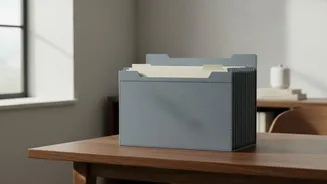
Creating a physical folder is the classic, foolproof method. Start with a simple binder or a file box. Use dividers to categorise your items by room (Kitchen, Office) or product type (Electronics, Appliances). For every new purchase, create a dedicated entry. Staple the purchase receipt to the warranty card or user manual. Essential documents to keep include the original bill or invoice, the warranty card provided by the manufacturer, and the product manual, which often contains troubleshooting tips. This simple habit takes only a minute but ensures all critical information is together when you need it. Storing manuals in a binder on a shelf can be more accessible than a filing cabinet tucked away elsewhere.
Going Digital: The Modern Organising Method
In an increasingly paperless world, a digital folder is a powerful alternative. Use your smartphone to scan or photograph your receipts and warranty cards the moment you make a purchase. You can save these images in a dedicated folder on a cloud service like Google Drive or Dropbox. For an even more streamlined approach, several apps available in India are designed specifically for warranty management. These apps allow you to upload documents, set expiry reminders, and access all your information from your phone. This not only reduces paper clutter but also ensures your important documents are safe from physical damage and accessible from anywhere.
What to Keep and For How Long
To make a successful warranty claim, you typically need to prove the product is under warranty and show evidence of the defect. The most crucial document is the purchase invoice or receipt, which establishes the purchase date. The warranty card itself outlines the terms and coverage. While the original box is not usually required for a warranty claim, it may be needed for returns within a short period after purchase. As a rule of thumb, keep all warranty-related documents for the entire duration of the warranty period. In India, a consumer complaint must generally be filed within two years from when the defect is discovered, so holding onto documents for at least this long is a wise practice.
Know Your Rights as a Consumer
Having your documents organised is the first step; knowing your rights is the second. In India, the Consumer Protection Act, 2019, protects buyers against defective goods and unfair trade practices. If a product is faulty, you are entitled to seek remedies like repair, replacement, or a refund. Companies cannot unfairly deny a valid claim if the product is within its warranty period and has not been misused. If a seller or manufacturer is unresponsive, you should first send a written complaint via email to have a record of communication. If the issue remains unresolved, you can approach a Consumer Disputes Redressal Commission to seek redressal.