





The Post-Pandemic Pantry
The past few years have fundamentally changed our relationship with health. The global pandemic acted as a powerful catalyst, forcing a collective re-evaluation of lifestyle and immunity. Suddenly, the conversation shifted from convenience to consciousness.
For many Indians, this meant looking inward, towards the wisdom embedded in their own traditions. The hyper-processed, high-sugar, and preservative-laden foods that had crept into the modern Indian diet began to look less like a convenience and more like a compromise. This growing awareness has sparked a movement—a conscious uncoupling from industrial food systems and a return to ingredients that are simple, recognisable, and trusted.
Grandma's Wisdom, Modern Science
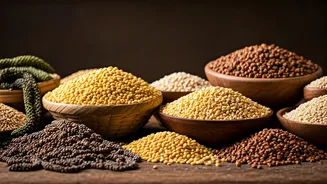
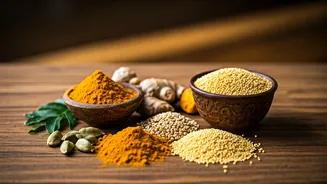
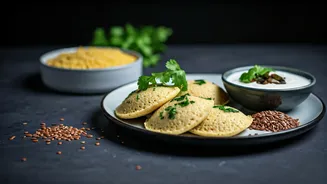
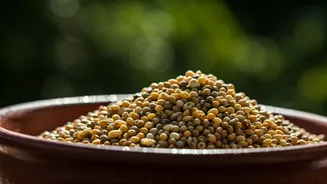
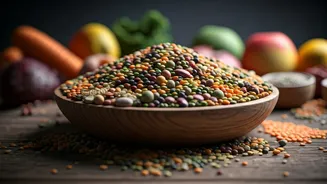
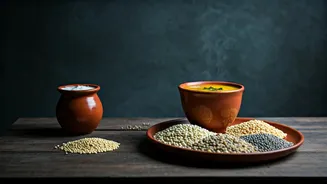
What was once dismissed as old-fashioned is now being celebrated as timeless wisdom. The 'nuskhe' (home remedies) and dietary advice from our grandmothers are finding new validation, not just in family kitchens but also in scientific discourse. Foods like ghee, once villainised, are now being praised for their healthy fats. Turmeric, a staple in every Indian masala box, is globally recognised for its anti-inflammatory properties. This trend is most visible in the stunning comeback of millets. Coarse grains like jowar, bajra, and ragi, long considered 'poor man's food', are being hailed as superfoods. Rich in fibre, protein, and micronutrients, and naturally gluten-free, millets are now appearing in everything from breakfast cereals and pasta to gourmet restaurant menus, championed by nutritionists and chefs alike.
The Rise of Clean-Label Brands
This consumer-led shift has not gone unnoticed by the market. A new wave of Indian entrepreneurs and direct-to-consumer (D2C) brands has emerged to cater to this demand for 'clean' food. These startups are building their entire identity around transparency and authenticity. Their product labels are refreshingly short, boasting ingredients you can actually pronounce. They are replacing refined sugars with jaggery or dates, and refined flour with whole grains or millets. Brands focused on organic sourcing, traditional processing methods like cold-pressing oils, and transparent supply chains are finding a loyal audience. This isn't just a business trend; it's an ecosystem that connects health-conscious urban consumers directly with farmers who are practicing sustainable agriculture, creating a virtuous cycle.
Beyond the Urban Elite
While the movement may have been amplified in metropolitan centres and on social media, its roots are far more widespread. The push for natural foods is resonating across different income levels, albeit in different ways. For some, it means splurging on a certified organic brand. For others, it’s about sourcing fresh, seasonal produce from a local farmer’s market instead of a supermarket. Government initiatives, like the promotion of 2023 as the 'International Year of Millets', have also played a crucial role in raising awareness at a mass level. As information about the long-term health risks of ultra-processed foods becomes more accessible, families across the country are making small but significant changes, proving this is less a niche trend and more a collective awakening.