


Embrace Steaming
Steaming is a timeless technique that uses zero oil by definition. This method cooks food using the hot vapour from boiling water, preserving both nutrients and the natural taste of ingredients. For Indian kitchens, this is hardly a new concept. Dishes
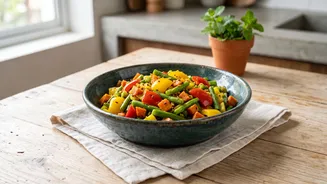
like dhokla, idli, and momos are classic examples of steamed perfection. Beyond these, you can steam a variety of vegetables, fish, and even chicken. The result is a light, healthy meal that's gentle on your stomach and your wallet. Since this method requires no added fats, it significantly reduces your oil consumption and calorie intake.
Invest in an Air Fryer
The air fryer has become a modern kitchen hero for a reason. It works by circulating superheated air at high speed, creating a crispy, browned exterior that mimics deep-frying with a fraction of the oil. While a deep fryer can require cups of oil, most air fryer recipes call for just one or two tablespoons, or sometimes none at all. This can represent a reduction of over 90% in oil usage for certain foods. For an Indian household, this means you can enjoy favourites like samosas, pakoras, and tikkis with significantly less guilt and cost. While the taste isn't identical to deep-fried food, many find the lighter, crispy texture just as satisfying.
Bake or Roast, Don't Fry
Your oven is a powerful tool for cutting down on oil. Baking and roasting are dry-heat cooking methods that can achieve delicious results with minimal fat. Instead of deep-frying vegetable cutlets or fish fillets, try baking them on a sheet pan. A light brush of oil is often enough to get a golden, crispy finish. This technique works wonderfully for a range of items typically fried, including snacks like baked samosas or mathri. Roasted vegetables, tossed with spices and a tiny amount of oil, develop a deep, caramelised flavour that boiling or even sautéing cannot match. It’s a simple switch in technique that can lead to big savings on your monthly oil purchases.
Master Smart Sautéing
Most Indian cooking starts with a 'tadka' or sautéing aromatics and spices in oil. This is often where a lot of oil is used unnecessarily. Investing in a good quality non-stick or well-seasoned cast-iron pan can drastically reduce the amount of oil you need. These pans have surfaces that prevent food from sticking, allowing you to cook with as little as a teaspoon of oil. Another professional trick is to use water or broth for sautéing. When your onions or spices start to stick, instead of adding more oil, splash a tablespoon or two of water into the pan to deglaze it. This lifts the flavourful browned bits and adds moisture without adding fat.
Utilise Your Pressure Cooker
The pressure cooker, a staple in most Indian kitchens, is not just for cooking dal and rice quickly. It's also an excellent tool for low-oil cooking. The high-pressure steam environment cooks food rapidly and helps to break down ingredients, melding flavours beautifully without needing a lot of fat. For dishes like rajma, chole, or meat curries, you can create the base masala with very little oil, add your main ingredients and water, and let the pressure cooker do the work. The enclosed environment traps moisture and flavour, resulting in a rich-tasting dish that didn't require constant stirring in a pool of oil.