




From Gym Bags to Grocery Carts
For years, 'high protein' was a term you’d find almost exclusively on tubs of whey powder and dense, chewy bars aimed at bodybuilders and elite athletes. These products were functional, but rarely fun or flavourful. Today, that could not be further from
the truth. The protein boom has officially broken out of the gym and landed squarely in the mainstream Indian kitchen. Quick commerce platforms have reported a staggering 150% surge in protein-related orders over the last two years, signalling a fundamental shift in how people eat. This isn't just about metros either; demand in Tier II and III cities is growing even faster, with places like Nagpur, Jaipur, and Guwahati showing a huge appetite for protein-conscious products. This wave is moving beyond sweet bars and shakes into a category that Indians are deeply passionate about: savoury snacks and meals.
The Drivers of the Protein Push
So, what's fuelling this nationwide shift? A major factor is growing health and wellness consciousness. A significant portion of the Indian population is reportedly protein-deficient, and consumers are now actively seeking to bridge this gap. This has created a massive market for 'functional foods'—products that offer health benefits beyond basic nutrition. India's functional foods market is expected to grow significantly, reaching over USD 36 billion by 2034. Busy urban lifestyles also play a crucial role. With less time to cook, consumers want convenient, healthy options. A protein-rich snack is seen as a smarter choice than a traditional carb-heavy one, as it offers better satiety, keeping you fuller for longer. This has led to a boom in ready-to-eat products that don't compromise on nutrition, transforming protein from a post-workout supplement into an everyday wellness ingredient.
Savoury's New Frontier
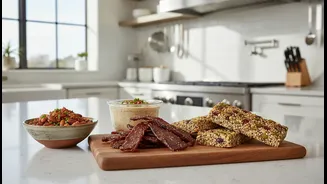
The most exciting part of this trend is the innovation in savoury foods. While traditional protein sources like paneer, eggs, and chana remain incredibly popular, brands are infusing protein into a surprising array of products. We're now seeing protein-fortified chips, lentil-based puffs, soya sticks, and even protein-rich instant noodles and dosa batter on shelves. Dairy giant Amul is experimenting with high-protein variants of buttermilk and even plans to launch protein-fortified Indian flatbreads. Fast-food chains are also getting involved. McDonald's India, for example, introduced a vegetarian protein slice made from soy and pea that can be added to its burgers, which sold out rapidly upon launch. These products are designed to fit seamlessly into existing eating habits, making it easier than ever for consumers to boost their protein intake without sacrificing the flavours they love.
The Plant-Based Power-Up
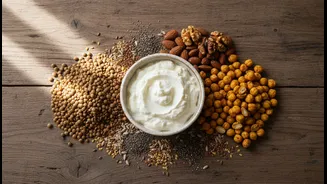
The rise of vegetarian and flexitarian diets has been a massive catalyst for this savoury protein wave. With a large vegetarian population, India is a natural market for plant-based innovation. Startups and established companies are developing products using proteins derived from chickpeas, lentils, peas, and soy. The demand for plant-based protein has seen sales of items like soya chunks and tofu climb sharply. Even traditional ingredients like roasted chana (bhuna chana) and sattu (roasted gram flour) are being rebranded and celebrated for their high protein content. This plant-forward approach not only caters to dietary preferences but also aligns with global trends towards sustainability and clean-label ingredients, appealing to a younger, more environmentally conscious generation of consumers.
What to Expect Next
The protein trend shows no signs of slowing down. The market is projected to be worth over $16 billion by 2033, indicating that this is a long-term shift, not a fleeting fad. Expect to see even more creativity in product development. We are seeing protein’s migration into categories like pasta, popcorn, and crackers globally, a trend that is likely to accelerate in India. Technology will also play a role, with companies investing in new methods like fermentation to create novel proteins. For the average consumer, this is great news. It means more choice, better nutrition, and the ability to make healthier decisions without having to overhaul their entire diet. Protein is no longer a niche interest; it's becoming a foundational block for building a healthier, more balanced plate, one savoury bite at a time.