

A New Space Race Begins at Home
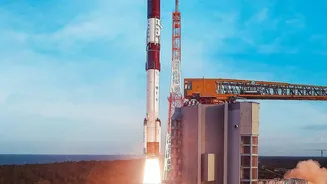
The Indian space landscape is undergoing its most significant transformation in sixty years. Once the exclusive domain of the Indian Space Research Organisation (ISRO), the sector was opened to private participation in 2020. This pivotal move, solidified
by the Indian Space Policy 2023, has unleashed a wave of innovation and investment. The government has set an ambitious target to grow the national space economy from around $9 billion today to over $40 billion within the next decade. The primary engine of this growth is a vibrant startup ecosystem, which has exploded from a single company in 2014 to over 400 registered space startups by 2026. Facilitating this entire process is IN-SPACe (Indian National Space Promotion and Authorisation Centre), a single-window agency designed to promote, authorise, and supervise private space activities, effectively creating a structured and regulated environment for these new players to thrive.
Meet the New Stars of Indian Space
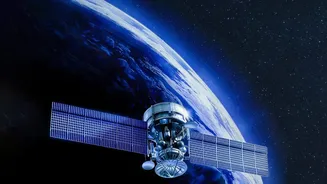
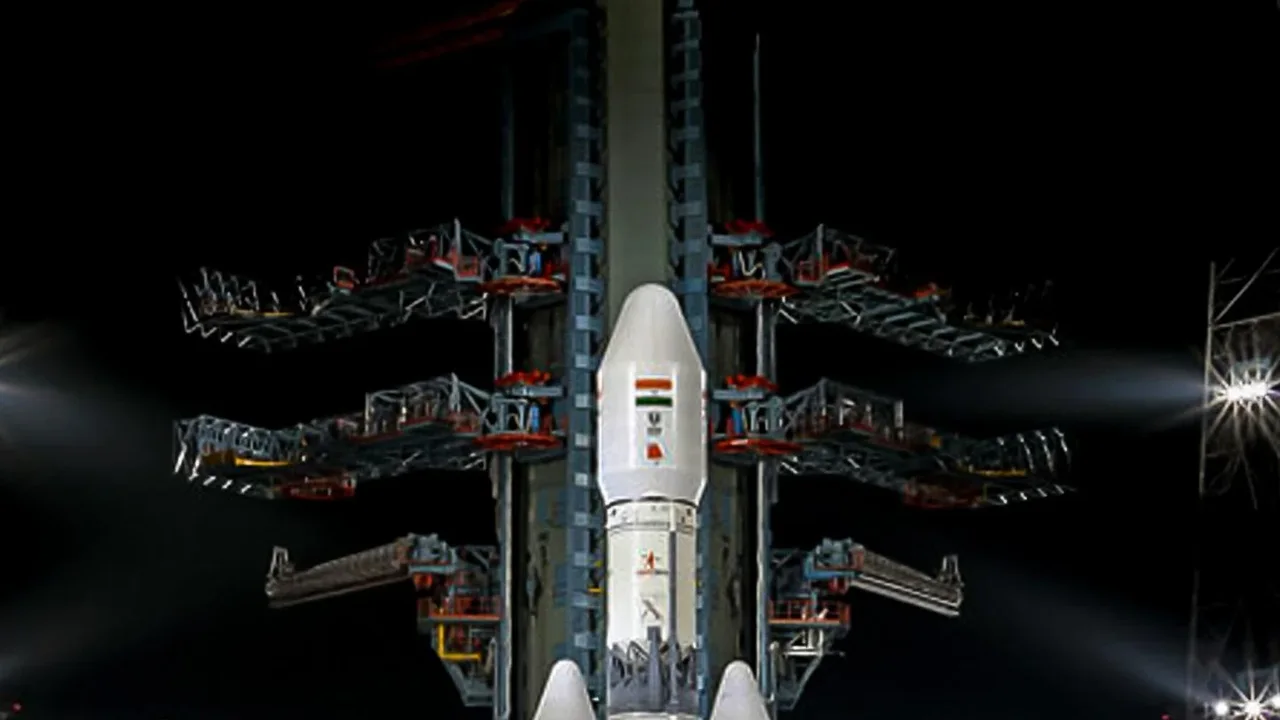
The new players aren't just making noise; they are achieving milestones. Companies like Skyroot Aerospace, which became the first private Indian company to launch a rocket into orbit, and Agnikul Cosmos, known for its world-class 3D-printed rocket engines, are pioneering cost-effective launch solutions. In the satellite domain, companies such as Pixxel are building constellations of hyperspectral imaging satellites to provide rich data for agriculture and climate monitoring, while Dhruva Space offers end-to-end satellite manufacturing and deployment services. Then there are firms like Digantara, which focuses on space situational awareness to track orbital debris, and SatSure, which provides satellite data analytics for banking and infrastructure. These companies represent a fundamental shift, moving from prototypes to full-fledged commercial operations and creating a diverse value chain, from building rockets to interpreting the data they help gather.
The Engineer's New Frontier
This diversification is directly translating into a broader spectrum of jobs for engineering graduates. The demand is no longer limited to the traditional aerospace and mechanical engineering roles associated with building rockets. The fastest-growing opportunities are now found at the intersection of space and software. Aerospace Software Engineers are needed to develop flight control systems, mission planning algorithms, and autonomous navigation. Satellite Data Analysts with skills in AI and machine learning are in high demand to process and interpret the terabytes of data beamed down from orbit, providing insights for everything from urban planning to disaster management. This opens the door for graduates in Computer Science, Electronics and Communication, and Information Technology to enter the space sector. Roles in mission operations, propulsion engineering, avionics, systems engineering, and even space robotics are also multiplying, offering a dynamic, fast-paced alternative to traditional government career paths.
The Skills to Launch Your Career
To secure a position in this burgeoning industry, a B.Tech degree is just the starting point. Private space companies are looking for a specific blend of foundational knowledge and modern technical skills. While fundamentals in aerospace, mechanical, and electrical engineering remain critical, proficiency in software and data is becoming a key differentiator. Aspiring space engineers should focus on developing strong programming skills in languages like Python, C++, and MATLAB, which are essential for simulation, data analysis, and developing embedded systems. Hands-on experience with industry-standard design and analysis software such as CATIA and ANSYS is also highly valued. Beyond technical skills, these startups prize a 'systems thinking' approach—the ability to understand how complex subsystems interact—along with the adaptability and problem-solving mindset required to thrive in a fast-evolving environment.