





The New Reality: A Thriving Private Sector
The Indian space industry is undergoing a massive transformation. Once dominated by the state-run Indian Space Research Organisation (ISRO), the sector was opened to private companies in 2020. This single move, supported by the Indian Space Policy 2023
and the creation of the regulatory body IN-SPACe, has unleashed a wave of innovation and investment. India's space economy is now valued at around $8.4 billion and is projected to hit $44 billion by 2033. This growth is being driven by nearly 400 space-tech startups, creating thousands of high-skilled jobs and proving that you no longer need to be on the government payroll to reach for the stars.
1. The Rocket Builders: Launch Vehicle Engineering
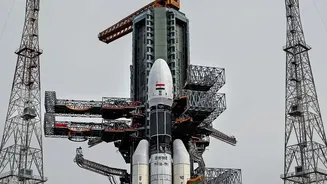
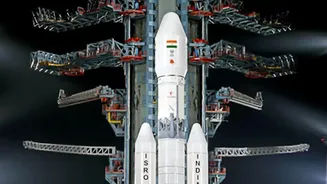
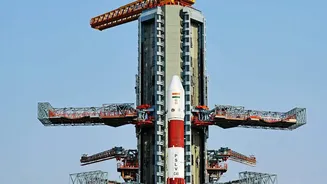
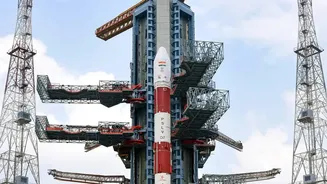
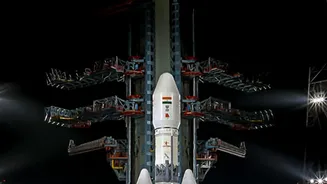
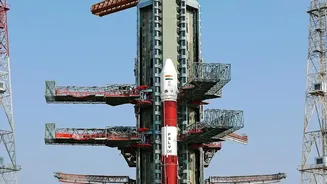
The most visible part of the space industry is building the rockets that get us there. Private companies are now developing their own launch vehicles to serve the booming small satellite market. Companies like Hyderabad-based Skyroot Aerospace, which became the first Indian private company to launch a rocket, and Chennai-based Agnikul Cosmos, known for its 3D-printed rocket engines, are leading the charge. They are actively hiring engineers with expertise in aerospace, propulsion, avionics, and structural design. These roles involve everything from designing powerful engines to developing the complex software that guides a rocket to orbit, offering a fast-paced environment where your work can go from blueprint to launchpad in a few years, not decades.
2. The Satellite Crafters: Spacecraft and Systems Engineering
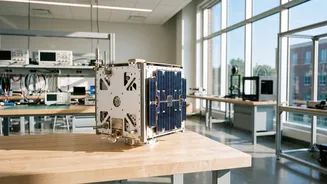
Once a rocket reaches orbit, its purpose is to deploy a payload, which is most often a satellite. A new generation of Indian companies specialises in building these satellites for a range of applications. Hyderabad’s Dhruva Space and Bengaluru's Bellatrix Aerospace are prominent names in this domain, developing everything from satellite platforms to advanced propulsion systems like water-based plasma thrusters. Careers here are abundant for systems engineers, electronics and power systems specialists, and thermal engineers. These professionals work on integrating complex components into a compact satellite that can withstand the harsh environment of space while performing its mission flawlessly, be it for communications, navigation, or scientific research.
3. The Data Decoders: Satellite Data and Geospatial Analysis
Perhaps the fastest-growing area in the space industry has little to do with hardware and everything to do with information. Companies like Bengaluru-based Pixxel and SatSure are building constellations of Earth-observation satellites and using the data they collect to provide invaluable insights. This data helps in monitoring crop health for agriculture, tracking climate change, managing urban planning, and aiding in disaster relief. This has created a surge in demand for data scientists, GIS analysts, machine learning engineers, and remote sensing experts. If you have a background in computer science, geography, or environmental science, you can find a rewarding career turning terabytes of satellite imagery into actionable intelligence for clients on the ground.
4. The Ecosystem Enablers: Beyond Engineering
A thriving industry needs more than just engineers. As the private space sector matures, it requires a diverse range of professionals to support its growth. There is a growing need for experts in space law and policy to navigate the new regulatory landscape. Business development managers and finance professionals are essential for securing contracts and funding. Companies are also hiring technical writers, visual designers, and communication specialists to tell their stories to investors, clients, and the public. These roles prove that a passion for space can be combined with skills in law, business, or the creative arts to build a unique and impactful career in this new frontier.