



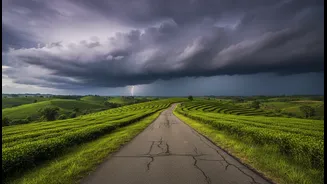


The Monsoon's Allure
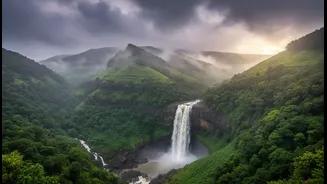
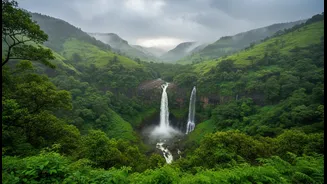
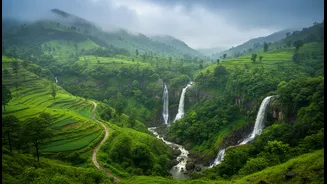
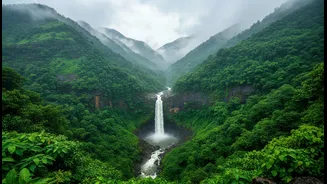
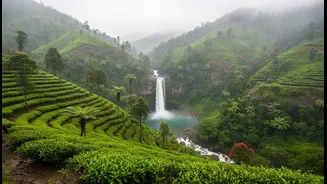
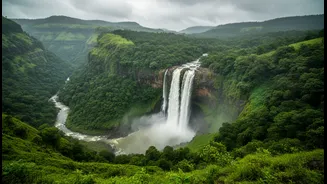
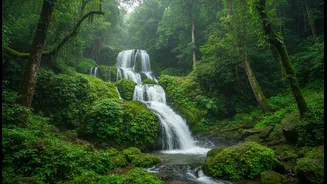
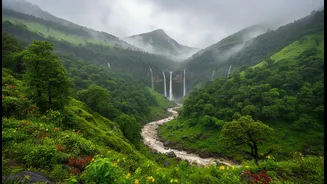
From June to September, the rain breathes new life into the ancient hills that span Maharashtra, Goa, Karnataka, Kerala, and Tamil Nadu. The landscape sheds its dusty browns for a thousand shades of green. Countless brooks and spectacular waterfalls,
some as grand as Athirapally Falls, come to life. The air fills with the smell of wet earth and the chorus of frogs, many of which are rare species that emerge only during this breeding season. This is a time for unique experiences, from firefly festivals in Maharashtra's Sahyadris to guided frog-watching walks in the rainforests of Agumbe and Wayanad. For many, the chance to see the Ghats in their most vibrant, primordial state is worth navigating the challenges of the season.
Plan with Caution
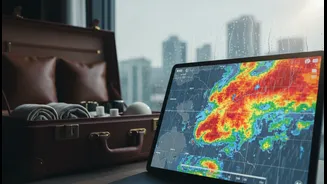
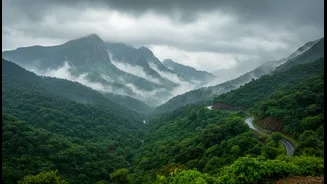
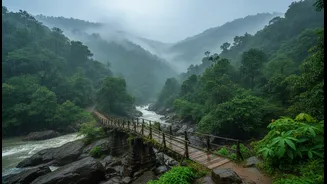
The biggest rewards come to those who plan. The monsoon's power is unpredictable, and safety must be the top priority. Heavy rainfall can lead to landslides, blocking roads and making travel hazardous, particularly in high-altitude areas like Munnar. Before setting off, always check local weather advisories and road conditions. Some popular trekking trails may be closed, and it is crucial to respect these closures. Flash floods are a real danger, turning gentle streams into raging torrents in minutes. It is highly recommended to travel with a local guide, especially on less-trodden paths, as they understand the terrain and its risks. Never rely solely on digital maps in areas with poor connectivity.
Essential Monsoon Gear
Packing correctly is not just about comfort; it's about safety. Your gear needs to be built for hours of sustained rain. Opt for quick-drying synthetic clothes over cotton, which absorbs moisture and takes a long time to dry. A reliable waterproof jacket and a rain poncho that can cover both you and your backpack are non-negotiable. The right footwear is critical; choose hiking shoes with excellent grip to navigate slippery rocks and muddy slopes. To protect electronics and spare clothes, use waterproof dry bags inside your main backpack. Also essential are a basic first-aid kit, insect repellent for leeches and mosquitoes, and a power bank for your devices.
Trekking and Waterfall Wisdom
Trekking during the monsoon offers breathtaking views but requires extra vigilance. Stick to marked trails and avoid trekking alone on unknown routes. Some trails, like those with gradual slopes such as Lohagad in Maharashtra, are considered safer for beginners during the rains. However, many technical routes with steep, rocky patches become extremely dangerous and are best avoided. When visiting waterfalls, resist the temptation to get too close or swim in the pools below. The currents can be deceptively strong, and water levels can rise without warning. Stay on designated viewing platforms and never underestimate the force of the water.
Where to Experience the Magic
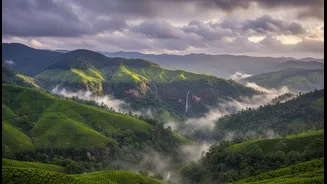
The Western Ghats offer a diverse range of monsoon experiences. In Kerala, Wayanad provides a wilder, forested escape with stunning waterfalls, while Munnar's rolling tea gardens are draped in mist. Karnataka's Coorg (Kodagu) is famous for its lush coffee estates and the magnificent Abbey Falls. For those starting from Mumbai or Pune, the Sahyadri range in Maharashtra offers numerous destinations like Malshej Ghat, known for its dramatic cliffs and cloud-wrapped passes, and Mahabaleshwar, which receives some of the heaviest rainfall and becomes intensely green. Each region has its own unique charm, offering everything from serene homestays to adventurous treks.