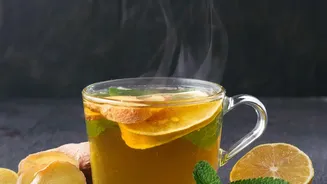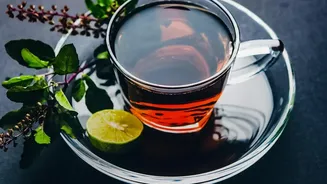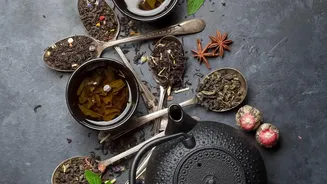


The New Era of Tea
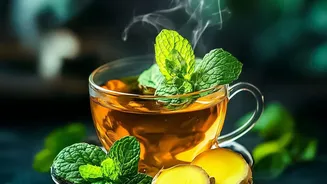
India's love for tea is legendary, but it's expanding beyond the morning masala chai. We're now in a golden age of specialty teas. Delicate white teas, complex oolongs, grassy greens, and vibrant herbal infusions are no longer niche items but widely available
options for the curious drinker. This boom offers an exciting world of flavour, but also a new set of questions. Unlike a standard cup of black tea, these specialty options come with a wide range of characteristics, and two of the most important—caffeine and sweetness—are not always clearly stated.
Decoding Caffeine Levels
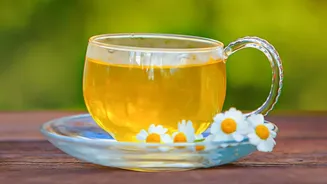
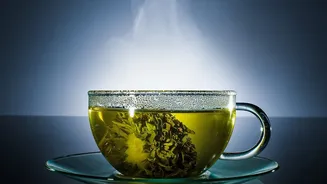
All true teas, which come from the Camellia sinensis plant, contain caffeine. This includes black, green, white, and oolong teas. As a general rule, caffeine content follows this pattern from most to least: black tea (40-70mg), oolong tea (30-55mg), green tea (20-45mg), and white tea (15-40mg per 8oz cup). However, this is just a guide. The actual amount in your cup is influenced by the specific plant varietal, leaf age, and, crucially, how you brew it. Hotter water and longer steeping times will extract more caffeine. Herbal teas, or 'tisanes', like chamomile and peppermint, are generally caffeine-free, but watch out for exceptions like yerba mate, which contains caffeine.
Why Caffeine Isn't Always on the Label
You might wonder why it's so hard to find a precise caffeine number on your tea box. Unlike some other beverages, tea is often exempt from mandatory nutritional labeling in many places, including India. The caffeine content in tea leaves is naturally variable, making it difficult for producers to state an exact number without extensive testing for every batch. Instead of an exact milligram count, your best guide is the type of tea itself. Knowing that a black tea will generally give you a bigger boost than a green tea allows you to tailor your choice to the time of day and your personal sensitivity.
The Hunt for Hidden Sweetness
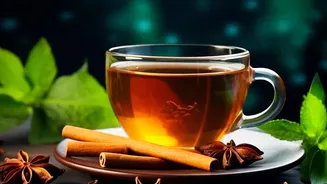
Perhaps more important than caffeine is the issue of hidden sweetness. Many beautifully packaged fruit and dessert teas get their appealing flavours from more than just natural ingredients. According to FSSAI regulations, products must be labelled as "FLAVOURED TEA" if flavours are added. However, the source of sweetness can still be obscure. Watch for ingredients like 'candied fruit', 'caramel pieces', or generic 'flavourings', which can all be sources of added sugar. Even seemingly healthy herbal blends can contain sweeteners. Licorice root, for example, is a common ingredient in wellness teas that is naturally 50 times sweeter than sugar and can impact blood pressure in large amounts.
Becoming a Savvy Tea Shopper
The key to navigating the world of specialty tea is to become an ingredient list detective. Always check the list, which is ordered from the highest quantity to the smallest. If sugar, or one of its many aliases (syrup, fructose, dextrose, cane juice), is listed in the first few ingredients, you know the tea is significantly sweetened. Be wary of vague terms. If you're buying loose-leaf tea from a specialty shop, don't hesitate to ask the staff. They are often knowledgeable and can guide you toward pure, unflavoured options or clarify the ingredients in a blend. The most straightforward way to avoid unwanted additives is to choose single-origin, unblended teas. This way, the flavour you taste comes purely from the leaf itself.