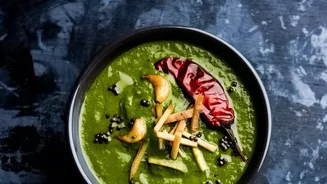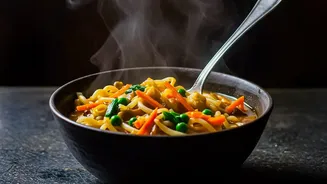


The Ultimate Comfort Bowl: Khichdi
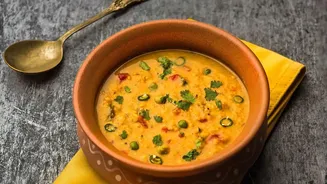
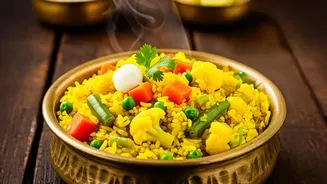
Khichdi is the quintessential Indian comfort food, cherished for its simplicity and healing properties. Traditionally made from rice and lentils, it's a one-pot wonder that's incredibly gentle on the digestive system. The combination of rice and lentils provides
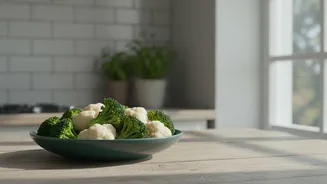
a complete protein with all essential amino acids, making it a nourishing choice. It’s also packed with fibre, B vitamins, and essential minerals. To elevate its nutritional profile, don't hold back on the vegetables. Adding carrots, peas, beans, and cauliflower bulks up the fibre and vitamin content. Using brown rice instead of white can increase its fibre content further. Spices like turmeric offer anti-inflammatory benefits, while a spoonful of ghee can help with the absorption of fat-soluble vitamins and adds a dose of healthy fat.
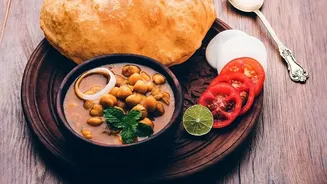
A Healthier Take on Rajma Chawal
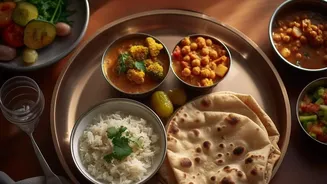
The classic combination of rajma (red kidney beans) and chawal (rice) is a staple in many North Indian homes for a reason. It’s hearty, flavourful, and deeply satisfying. Kidney beans are a powerhouse of plant-based protein and soluble fibre, which can help manage cholesterol levels. However, the traditional preparation can sometimes be heavy on oil and salt. For a more balanced version, start by reducing the amount of oil or ghee used when preparing the masala base. Loading the gravy with finely chopped vegetables like carrots and bell peppers adds nutrients and texture. Opting for steamed brown rice instead of white rice will boost the fibre content, making the meal more filling and better for blood sugar regulation. You can also turn it into a refreshing salad by mixing boiled rajma and rice with fresh vegetables and a light lime dressing.
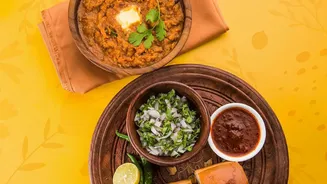
Pav Bhaji Packed with Goodness
This popular street food, with its spicy mashed vegetable curry (bhaji) and soft bread rolls (pav), is a flavour explosion. The bhaji itself is a great way to consume a variety of vegetables. Traditionally, it's heavy on potatoes and butter, but a few simple swaps can make it much healthier. To start, reduce the quantity of potatoes and increase the amount of other vegetables like cauliflower, peas, carrots, bell peppers, and even beetroot for a natural red colour. This not only diversifies the nutrient intake but also lowers the glycemic load. Instead of loading up on butter, try using a smaller amount for flavour and supplementing with a healthier oil for cooking. Serving the bhaji with whole wheat pav instead of those made from refined flour (maida) is another easy switch to increase fibre and make the meal more wholesome.
Light and Creamy Dal Makhani
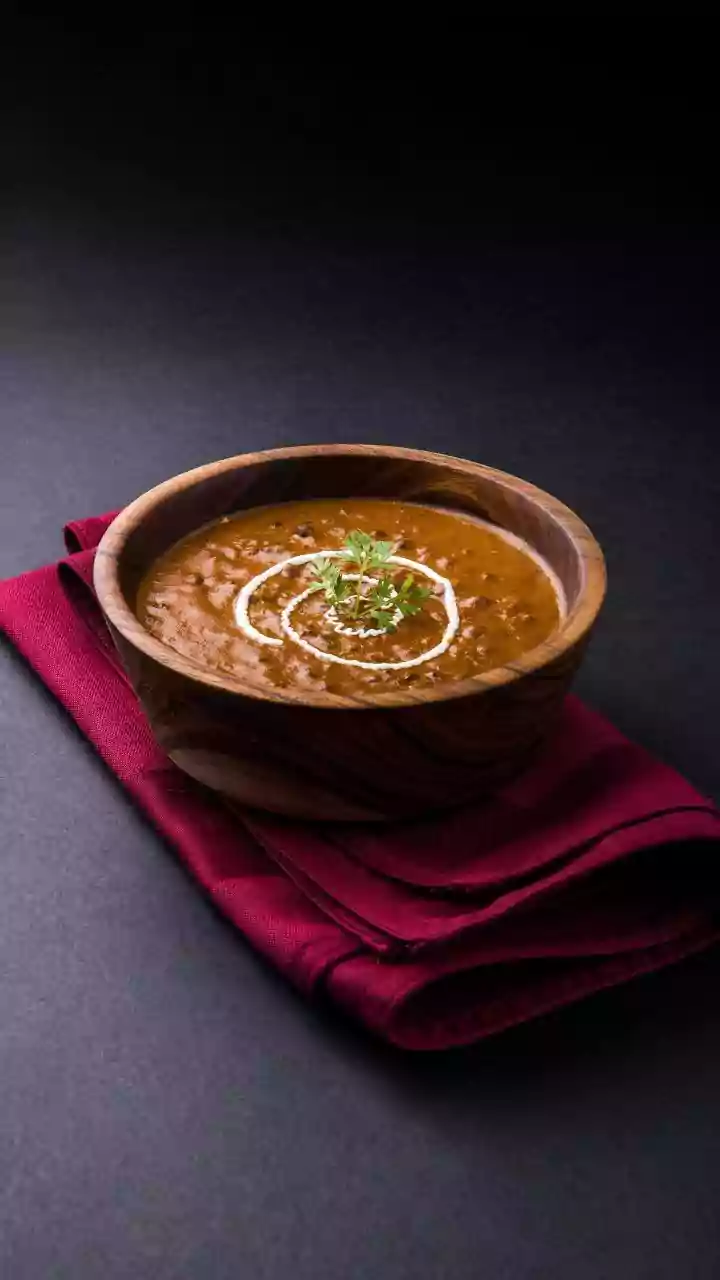
Rich, creamy, and indulgent, Dal Makhani is a celebrated dish often reserved for special occasions due to its generous use of butter and cream. This lentil dish, primarily made with whole black lentils (urad dal) and kidney beans, is naturally high in protein and fibre. To enjoy it more regularly, you can create a lighter version without sacrificing its signature creamy texture. The key is to reduce the amount of full-fat cream and butter. Many recipes suggest using low-fat milk or even fat-free half-and-half as a substitute for cream, which is added towards the end of the cooking process. Soaking the lentils overnight and slow-cooking them until they are completely soft and mashed helps create a natural creaminess. Using oil for the initial tempering of spices instead of butter also helps cut down on saturated fat.
Wholesome and Aromatic Vegetable Biryani
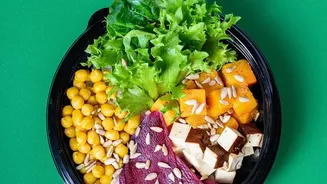
A well-made biryani is a complete meal in itself, layered with fragrant rice, an assortment of vegetables, and aromatic spices. While often seen as a heavy, celebratory dish, a vegetable biryani can easily be a nutritious and balanced meal. To build a healthier biryani, focus on cramming it with a wide array of vegetables like green beans, carrots, cauliflower, and peas. This increases the fibre, vitamin, and mineral content. Using brown basmati rice is a fantastic way to make it more nutritious. Instead of frying the onions until deeply browned in a lot of oil, you can sauté them until soft or use an air fryer. Adding a source of protein like paneer, tofu, or chickpeas can make the dish even more balanced and satiating.