






The Rise of On-Demand Entertainment
The shift began before the pandemic but was massively accelerated by it. With theatres closed, streaming platforms became the primary source of new entertainment. Major films like "Laxmii" and "Gulabo Sitabo" bypassed cinemas entirely, premiering directly
in our living rooms. This trend was powered by India's digital revolution—affordable high-speed internet and widespread smartphone use made high-quality content more accessible than ever. For audiences, the appeal was undeniable: a vast library of local and international content available on demand, for a monthly fee often less than the price of a single multiplex ticket. Convenience, cost, and choice formed a powerful trifecta that changed viewing habits for millions.
The Irreplaceable Magic of the Big Screen
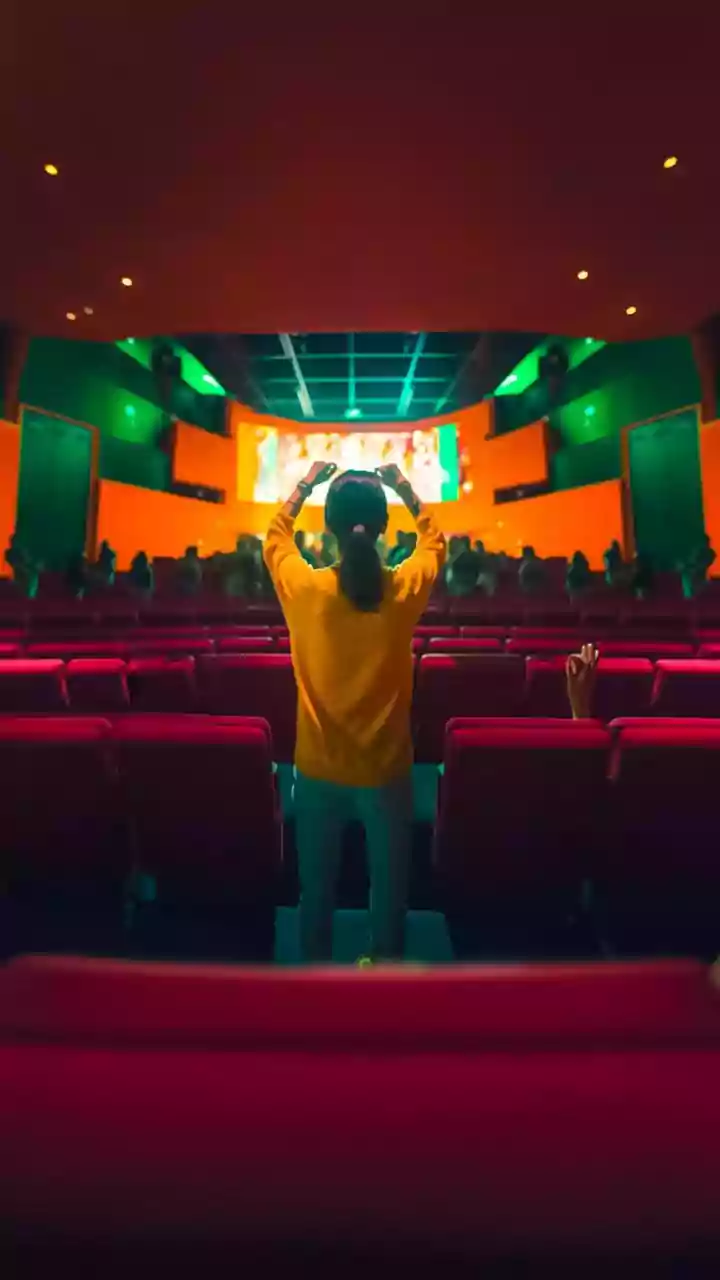
Just as obituaries for theatres were being written, audiences came roaring back. Blockbusters proved that for the right film, the theatrical experience is unbeatable. The communal energy of a packed hall, the immersive power of a giant screen with booming sound, and the cultural event status of a major release are things a streaming service cannot replicate. Industry leaders argue that the box office remains the true benchmark of a film's success, directly influencing its value when it later lands on streaming. In fact, after a post-pandemic dip, the Indian box office has rebounded, hitting record highs in 2025 and the first half of 2026, suggesting that theatre-going is far from dead.
A New Haven for Diverse Stories
Perhaps the most significant impact of streaming has been the democratization of storytelling. OTT platforms have become a vibrant home for stories that might be considered too risky or niche for a wide theatrical release. Gritty crime dramas, small-town narratives like 'Panchayat', and character-driven films have flourished, finding dedicated audiences online. This has provided a platform for new voices and creative freedom for filmmakers, moving beyond typical mainstream formulas. Streaming has also broken down language barriers, with regional cinema—from Tamil, Telugu, Malayalam, and more—finding a pan-India audience thanks to subtitles and accessibility.
The Shifting Economics of Filmmaking
For producers, the situation is complex. Initially, direct-to-OTT releases offered a lifeline, a way to recoup investments when theatres were closed. However, the dynamic is changing. Streaming platforms, after a period of aggressive spending, are becoming more cautious. They are now less likely to buy films for a direct digital premiere, instead preferring to acquire them after a successful theatrical run. This has led to tension over the 'theatrical window'—the gap between a cinema and a streaming release. Exhibitors are pushing for a longer, eight-week window to maximize ticket sales, while some producers argue this devalues the digital rights they depend on. As of 2025-2026, the industry has largely reverted to a theatre-first model, with direct-to-digital premieres falling sharply.
A Future of Coexistence
The future is unlikely to be a case of one replacing the other. Instead, we are heading towards a hybrid model where both platforms coexist and even complement each other. Theatres will likely increasingly focus on being destinations for 'event films'—large-scale, spectacle-driven productions that demand to be seen on the big screen. Meanwhile, streaming will continue to be the home for a wider variety of content, from experimental series to smaller, intimate films and documentaries. This evolution forces both sides to innovate: theatres must enhance the viewing experience to justify the trip, and streaming platforms must curate unique content to retain subscribers. The lines will continue to blur, but the ultimate winner is the audience, who now has more choice in what they watch, and how they watch it, than ever before.