


A New Era of Highway Comfort
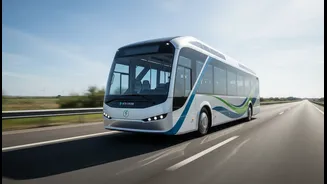
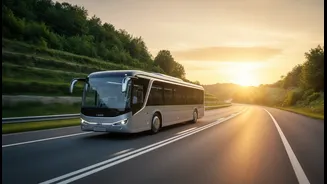
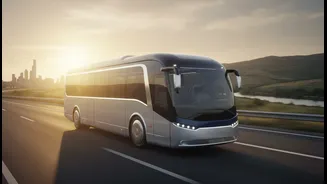
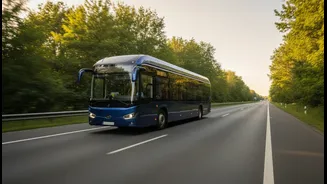
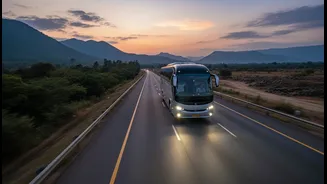
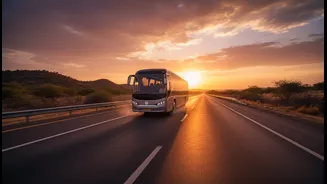
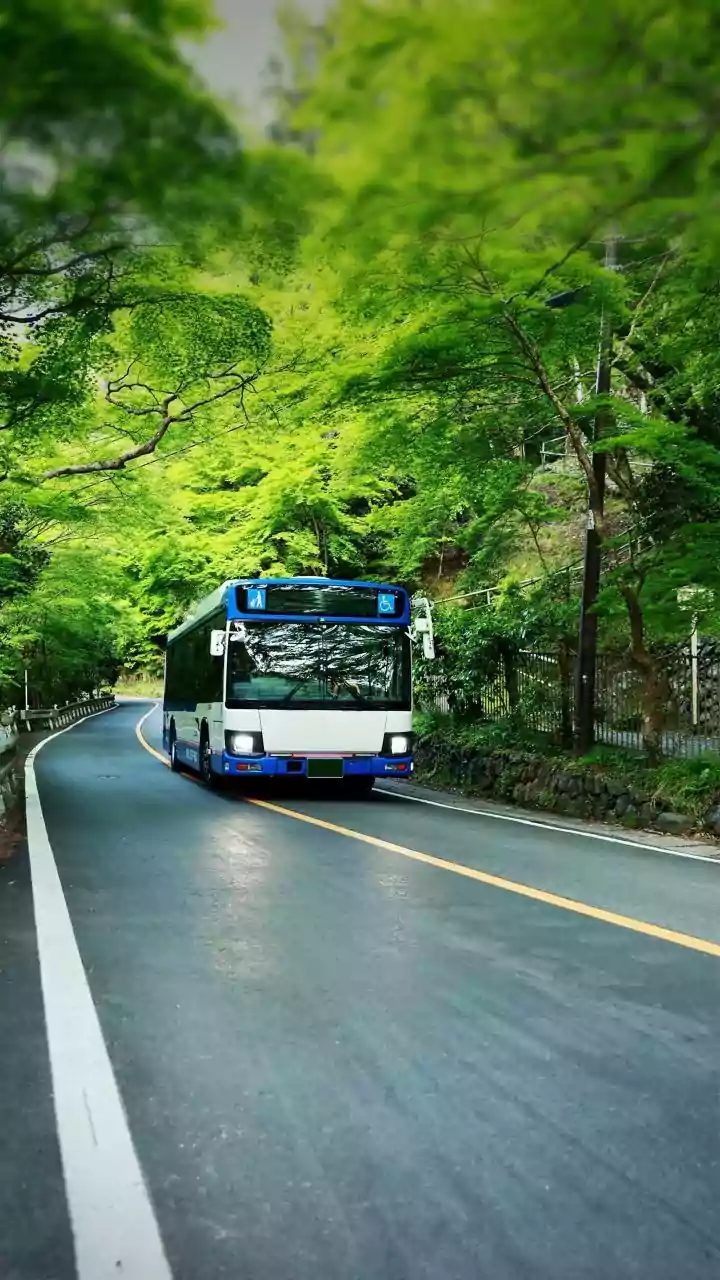
The story of India's new premium electric buses begins with a whisper. Unlike the familiar roar of diesel engines, these vehicles glide along highways, offering a quiet, vibration-free journey that is redefining passenger comfort. Companies like NueGo,
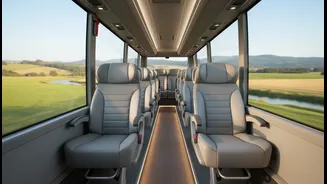
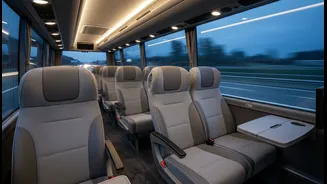
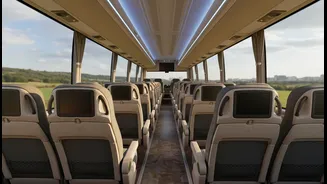
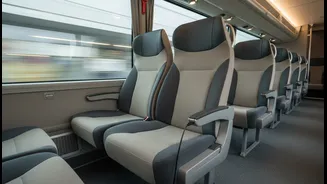
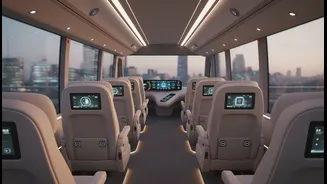
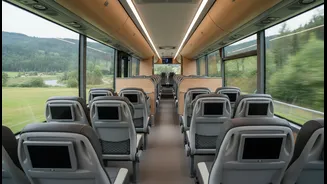
zingbus, and FlixBus are deploying fleets of these modern coaches on high-demand routes connecting cities like Bengaluru, Hyderabad, Chennai, Pune, and Delhi. These aren't just buses; they are premium travel experiences. Passengers can expect amenities such as comfortable reclining seats or sleepers, individual charging ports, live journey tracking, and a level of cleanliness and service that rivals airlines. The core appeal is a significant upgrade in the quality of travel, turning a once-tiring journey into a relaxed, productive, or restful experience. The focus is squarely on passenger experience, combining sustainability with superior comfort.
The Real Driver: A New Indian Traveller
The deeper story behind this electric wave is not about the buses themselves, but about the people choosing to ride them. India is witnessing the rise of a new class of domestic traveller. Fueled by economic growth, this segment of young professionals, families, and aspirational consumers is increasingly willing to pay a premium for comfort, safety, and reliability. For many, the choice is no longer just about the cheapest ticket. Hassles with train reservations, crowded carriages, and unpredictable journey times on lower-end buses have created a gap in the market. This new traveler values their time and comfort, and they see a premium bus service as a viable and often preferable alternative to trains or even short-haul flights. The massive expansion and improvement of India's national highway network further enables this shift, making road journeys faster, safer, and more predictable than ever before.
Why Electric Is the Perfect Fit
Electric vehicle technology is uniquely suited to meet the demands of this new premium travel segment. The single greatest advantage of an electric bus from a passenger's perspective is the ride quality. The absence of engine noise and vibration creates a serene cabin environment, which is a core component of the 'premium' promise. For operators, while the initial investment for an electric bus can be 30-70% higher than a diesel equivalent, the long-term operational economics are compelling. Lower fuel (electricity) costs and reduced maintenance needs can lead to significant savings over the vehicle's lifespan. Government initiatives like the PM-eBus Sewa Scheme are also helping to de-risk the investment for operators and accelerate adoption. This alignment of a superior passenger experience with sound operational benefits makes EVs a natural choice for the next phase of intercity mobility.
Overcoming the Roadblocks Ahead
Despite the momentum, the path to a fully electric intercity bus network has its challenges. The most significant hurdle is the high upfront cost of the buses, which can be a barrier for smaller operators. Building a robust and reliable highway charging infrastructure is another critical task to mitigate range anxiety and ensure seamless long-distance operations. Power distribution companies (DISCOMs) also face the challenge of upgrading local grids to handle the high-load demands of depot charging for entire fleets. However, these challenges are being actively addressed. Operators are partnering to establish charging networks, and government policies are increasingly focused not just on vehicle subsidies but on creating a holistic ecosystem to support this transition.