
The Blueprint: Your Body’s Foundational Movements
Fitness doesn't have to be complicated. Our bodies are designed to perform a set of fundamental or 'primal' movements. These are the building blocks for almost every physical task we do, from lifting a child to putting groceries on a high shelf. The main
patterns are the squat, hinge, push, pull, lunge, and carry. Recognising these in your daily life is the first step to building functional strength, which means improving your ability to handle everyday tasks with ease and reducing injury risk. Instead of seeing exercise as separate from your life, this approach integrates it, making you stronger for the things you already do.
The Squat: Beyond Sitting Down
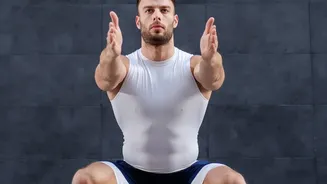
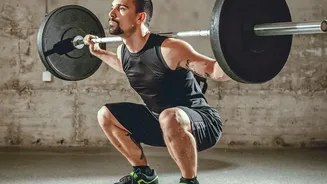
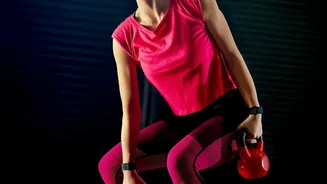
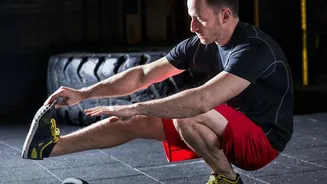
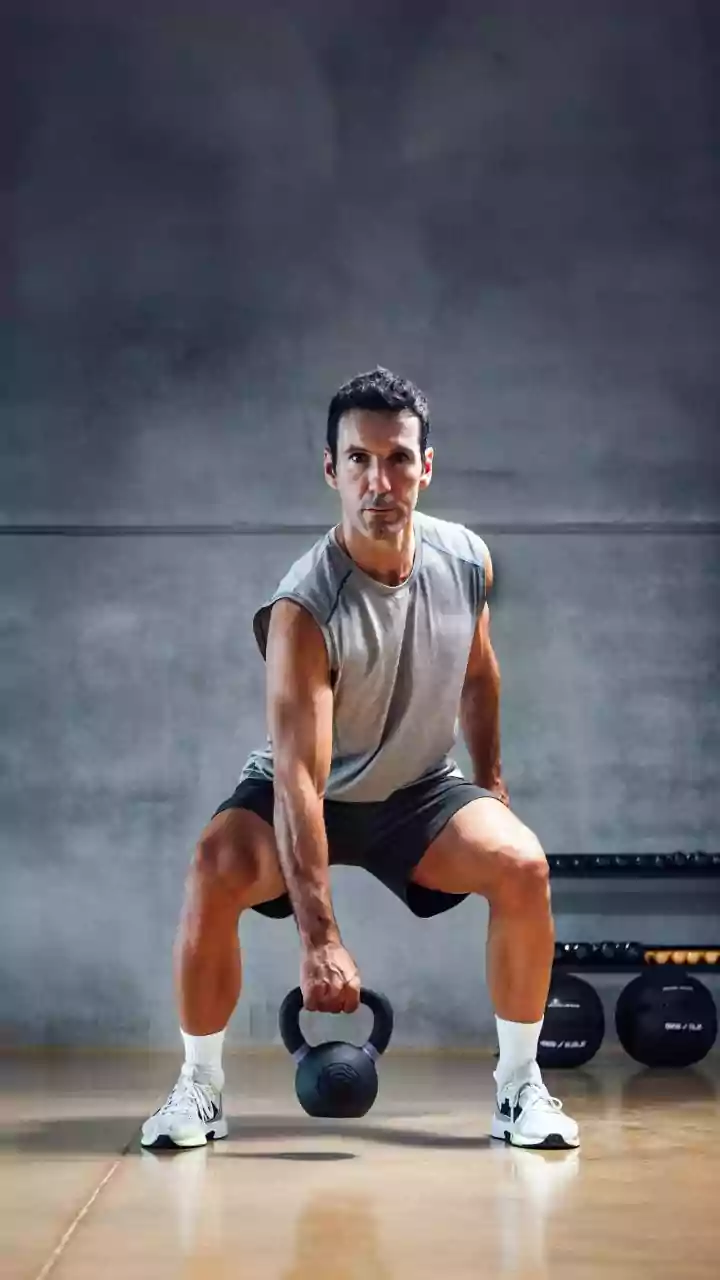
Every time you sit down in a chair and stand back up, you’re performing a squat. This fundamental movement primarily strengthens your quads, glutes, and hamstrings. It's crucial for lower body strength and mobility. To turn this into a structured exercise, start with bodyweight squats. Stand with your feet shoulder-width apart and lower your hips as if sitting in an imaginary chair, keeping your chest up and back straight. Aim for controlled movements. Once comfortable, you can add weight by holding a dumbbell or kettlebell at your chest, an exercise known as a goblet squat, to increase the challenge.
The Hinge: Lifting with Your Legs
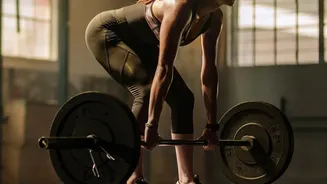
Bending over to pick something up off the floor is a movement pattern called a hinge. A proper hinge involves bending at your hips, not your spine, keeping your back flat to protect it from strain. This action is essential for lifting objects safely and powerfully, engaging your glutes and hamstrings. The classic gym exercise that trains the hinge is the deadlift. For a safer starting point, try Romanian deadlifts with light dumbbells or even just your bodyweight. Focus on pushing your hips back as you lower your torso, keeping a slight bend in your knees, and feeling a stretch in your hamstrings before powerfully returning to a standing position.
The Push: From Doors to Push-Ups
Pushing open a heavy door, getting up from the floor, or placing something on an overhead shelf are all daily examples of the push movement. These actions are divided into horizontal pushes (like a push-up) and vertical pushes (like an overhead press). They primarily strengthen the chest, shoulders, and triceps. To start, practice wall push-ups by placing your hands on a wall and leaning into it. As you get stronger, progress to incline push-ups on a sturdy counter or bench, then to your knees, and eventually to full push-ups on the floor.
The Pull: Opening Doors and Building Your Back
The opposite of a push is a pull, which involves drawing a weight or object toward your body. Think of starting a lawnmower, pulling open a heavy door, or carrying shopping bags. These movements are vital for posture and a strong back and biceps. In the gym, this is trained with exercises like rows and pull-ups. A great way to start at home is with resistance band pull-aparts or by performing inverted rows using a sturdy table. By focusing on pulling your shoulder blades together, you engage the key muscles of your upper back.
The Carry: Your Grocery Run Workout
Carrying heavy grocery bags from the car to the kitchen is a perfect example of the loaded carry. This simple, highly effective exercise strengthens your grip, core, back, and shoulders all at once. It improves your posture and stability. To turn this into a deliberate exercise, perform a 'farmer's walk'. Simply pick up a challenging but manageable weight in each hand (dumbbells, kettlebells, or even full water jugs), stand tall with your shoulders back, and walk for a set distance or time. This exercise directly translates to real-world strength and resilience.
Putting It All Together: Your Simple Weekly Plan
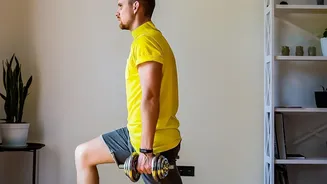
You don’t need to do every movement every day. A good starting point is a full-body routine performed two to three times per week on non-consecutive days to allow for recovery. In each session, pick one exercise from three or four of the movement categories. For example, a workout could consist of goblet squats (squat), bent-over rows (pull), push-ups (push), and a farmer's carry. Focus on performing 2-3 sets of 8-12 repetitions with good form before trying to increase the weight. The goal is consistency and mastering the movements, not exhaustion.