



What is Sourdough Discard?
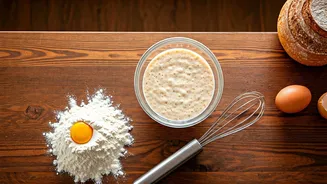
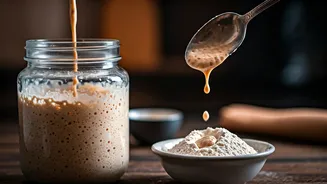
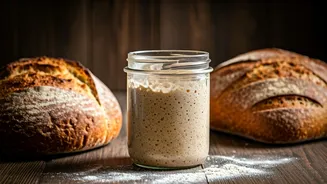
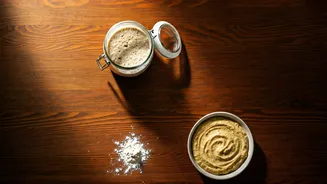
Before you can appreciate its magic, it helps to know what sourdough discard actually is. When you maintain a sourdough starter, you regularly 'feed' it with fresh flour and water to keep the wild yeast and bacteria healthy and active. To prevent the starter from
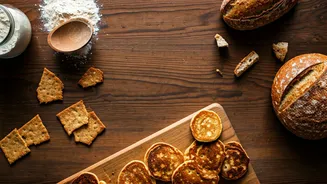
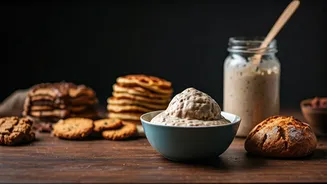
growing to an unmanageable size, you remove, or 'discard', a portion before each feeding. This unfed portion is what we call discard. While it's not potent enough to leaven a loaf of bread on its own, it's a flavourful, acidic mixture of flour, water, and mature cultures. Far from being waste, this discard is a powerful ingredient in its own right.
The Science of a Tender Crumb
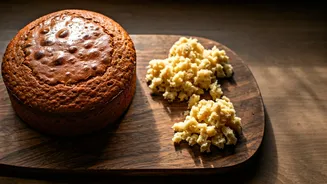
The primary way sourdough discard elevates texture is through its acidity. Sourdough discard is rich in lactic and acetic acids, byproducts of its fermentation. When you add this acidic discard to a cake or biscuit batter, it gets to work on the flour's gluten proteins. In bread making, bakers work hard to develop a strong gluten network for a chewy structure. But in cakes and biscuits, the goal is the opposite: you want a tender, soft, and delicate crumb. The acid from the discard helps inhibit and weaken gluten development, resulting in a baked good that is noticeably softer, less chewy, and more tender. This effect is often described as creating a 'melt-in-your-mouth' texture.
A Boost in Moisture and Flavour
Texture isn't just about tenderness; it's also about moisture. Sourdough discard, being a paste of flour and water, adds extra hydration to a recipe. This results in a moister final product and can even extend its shelf life, keeping your bakes from going stale too quickly. Beyond texture, the discard also contributes a significant flavour boost. The complex acids and fermentation byproducts add a subtle, tangy depth that you wouldn't get from a standard recipe. This mild tang doesn't make your cake taste sour; instead, it balances the sweetness and enhances other flavours, making chocolate taste more chocolatey or fruity notes seem brighter.
Making Biscuits Flakier
When it comes to biscuits, the goal is often flaky layers. The acidity in sourdough discard can contribute here as well. In a biscuit dough, you create layers by folding in cold butter. The acid from the discard helps to tenderize the dough, making it more pliable and easier to work with. This can lead to better separation between the butter and dough layers during baking. As the butter melts, it creates steam, pushing the layers apart and resulting in a flakier, lighter biscuit. Paired with a chemical leavener like baking powder, the discard helps achieve that coveted tall, layered structure.
How to Get Started
Incorporating discard into your favourite recipes is simple. A good rule of thumb is to treat the discard as equal parts flour and liquid. For every 100 grams of discard you add, you should reduce the flour in your recipe by 50 grams and the liquid (like milk or water) by 50 grams. This maintains the overall hydration of your recipe. For cakes, you can typically substitute up to a third of the recipe's flour with discard without compromising structure. Since discard is not being used for leavening, you'll still need to include the baking soda or baking powder called for in your original recipe.