






The Science of a Surge
A large crowd isn't just a group of people; it behaves like a fluid. When tens of thousands of attendees leave a venue simultaneously, they create a 'surge' that can overwhelm transport hubs. The main danger is excessive density. Once a crowd reaches
a certain density, individuals lose control of their movement and are simply carried by the pressure of the mass. This can lead to dangerous situations, especially at 'pinch points' like station entrances, stairways, and platforms. Crowd management, therefore, is about preventing these densities from ever forming by controlling the flow and speed of people entering the station ecosystem.
Creating Order with One-Way Flow
One of the most fundamental changes is the implementation of strict one-way systems. Organizers will use temporary barriers and extensive signage to create designated entry and exit paths that are completely separate. This simple but effective strategy prevents 'counter-flow', where people trying to enter the station clash with those trying to leave or move in a different direction. By eliminating these points of conflict, the flow of people becomes smoother and more predictable, significantly reducing the risk of a dangerous standstill. This might mean your usual shortcut is blocked, but it's a crucial part of a larger safety plan.
The 'Holding Area' Strategy
You've probably experienced this: being held in a queue far from the station entrance. These are known as 'holding areas' or 'pens'. Rather than letting a massive crowd crush against the station doors, authorities create large, sectioned-off waiting zones outside. Security staff then manage a 'pulsing' system, allowing groups of people into the station in controlled phases. This ensures the station's platforms and concourses never exceed their safe capacity. It can feel frustrating to be held back, but this technique is vital for preventing overcrowding on platforms, which is one of the highest-risk areas.
Reconfiguring the Station Interior
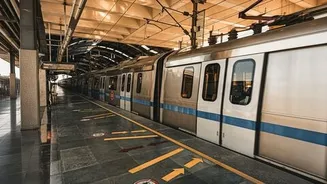
Inside the station, significant temporary changes are often made. Non-essential furniture like benches, bins, and advertising hoardings may be removed to maximize standing space and eliminate obstacles. Certain stairways or escalators might be designated as 'up only' or 'down only'. In some cases, entire sections of the station, like ticket halls, can be repurposed as additional waiting areas. The goal is to create wide, clear, and unambiguous pathways that guide passengers directly from the entrance to the platform with minimal decision-making required.
Eyes in the Sky and Boots on the Ground
Modern crowd management is a high-tech operation. A network of CCTV cameras, and sometimes even drones, gives a real-time overview of crowd density and flow. This information is fed back to a central control room where officials from the railway, police, and event security can make dynamic decisions. For instance, if they see a particular area becoming too congested, they can dispatch more staff to redirect people or adjust the flow from the holding areas. This constant monitoring allows them to be proactive, addressing potential problems before they become dangerous. Clear and frequent announcements also play a key role in keeping passengers informed and reducing anxiety.