




From a Remote Valley to the World Stage
For years, the words "specialty coffee" might have conjured images of Ethiopia or Colombia, but a new name is steadily rising in the ranks: Araku. Hailing from the Araku Valley, this Indian Arabica has gained significant international acclaim. It has consistently
scored above 80, and often above 90, on the 100-point scale used by specialty coffee experts. Notably, it won the prestigious Gold Medal at the Prix Epicures in Paris in 2018. This recognition isn't just a win for a product, but a testament to a unique combination of place, people, and philosophy. Most recently, the Girijan Cooperative Corporation's (GCC) Araku Valley Coffee received the 'Changemaker of the Year Award' in September 2026 for its role in financially transforming the region. This success has even led to the opening of flagship cafés in global hubs like Paris and a major presence in Bengaluru, bringing the taste of Araku to the world.
The Secret in the Soil and Shade
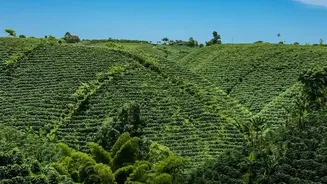
The foundation of Araku's exceptional quality lies in its unique terroir. Nestled 900 to 1,300 meters above sea level in the Eastern Ghats, the valley's hot days and cool nights allow the coffee cherries to ripen slowly. This gradual maturation process develops a remarkable aromatic richness. The iron-rich soil further contributes to the bean's complex flavour profile. Unlike mass-produced coffee grown in direct sun, Araku's Arabica is shade-grown. Farmers have planted millions of fruit trees like mango and papaya, which not only provide the necessary shade but also enhance the region's biodiversity. This practice creates a habitat for birds that naturally control pests, reduces soil erosion, and contributes to a massive reforestation effort, turning once-degraded lands back into functional forests.
A Philosophy of Pure Farming
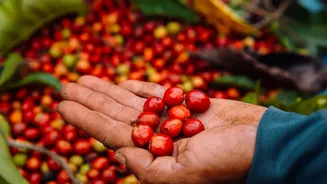
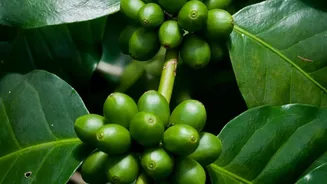
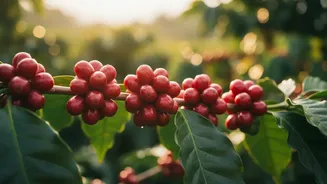
Araku coffee is more than just organic; it's the product of a holistic farming philosophy known as biodynamics. The farmers, primarily from local Adivasi communities, work in complete harmony with nature. All cultivation is done by hand, without the use of chemical pesticides or fertilizers. Instead, they rely on nutrient-rich compost and natural farming rhythms. This approach respects the ancestral connection between the tribal communities and the land. The meticulous harvesting process is another key differentiator. Farmers hand-pick only the perfectly ripe, crimson-red cherries, leaving unripe ones on the plant. This selective method prevents the bitterness often found in machine-harvested coffee, ensuring a clean and smooth final cup.
Brewing Socio-Economic Change
The story of Araku coffee is inseparable from the story of its farmers. The project, initiated in the early 2000s by the non-profit Naandi Foundation, was designed as a sustainable livelihood model to uplift the region's Adivasi communities. Before this intervention, the area faced high mortality rates and illiteracy. The foundation trained thousands of farmers in the best practices for organic and biodynamic coffee cultivation. They also established a cooperative, which now includes tens of thousands of farmers, ensuring they receive fair and pre-agreed prices for their produce. This economic model, dubbed 'Arakunomics', has transformed the lives of over 100,000 people in the region, providing a stable income and empowering farmers with ownership over their world-class product. The success has been so profound that the model received the Food Vision 2050 Prize from the Rockefeller Foundation.
A Taste of Global Recognition
So, what does this award-winning coffee actually taste like? Professional cuppers and casual drinkers alike praise Araku's Arabica for its balance and complexity. It is known for being full-bodied but not overly acidic, with a smooth and clean finish. The flavour profile is often described with delightful notes of dark chocolate, citrus, berries, and a hint of spice or jaggery-like sweetness. Some blends carry delicate floral or nutty undertones, a direct result of the biodiverse environment in which the coffee is grown. The combination of washed and natural processing methods helps enhance the coffee's inherent fruitiness and sweetness. It’s a flavour that tells the story of its origin: pure, patient, and deeply connected to the land.