
A Modern Culinary Renaissance
Across India, a quiet revolution is taking place on bakery shelves and in home ovens. Bakers, both professional and amateur, are reimagining global classics by infusing them with distinctly Indian ingredients. This isn't just about simple substitution;
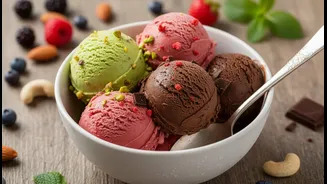
it's a creative movement that blends Western baking techniques with the soul of Indian flavours. The result is a delightful array of fusion desserts, from gulab jamun cheesecakes to masala chai-spiced cupcakes, that appeal to a modern Indian palate—one that is globally aware yet deeply connected to its roots. This trend reflects a growing confidence in local culinary heritage, transforming familiar sweets into expressions of a contemporary Indian identity.
The Golden Touch of Ghee and Jaggery
At the forefront of this trend are two staples of the Indian pantry: ghee and jaggery. Ghee, or clarified butter, is being used to create flakier, nuttier versions of French pastries like croissants. Its lack of moisture makes it an excellent fat for lamination, resulting in a rich, tender crumb. Meanwhile, jaggery, an unrefined sugar, is replacing white sugar in everything from brownies to cookies. Its natural molasses-like, caramel flavour adds a deep, earthy sweetness that refined sugar can't match. Because jaggery is hygroscopic, meaning it retains moisture, it results in cakes and muffins that are exceptionally soft and moist.
Ancient Grains, Modern Bakes
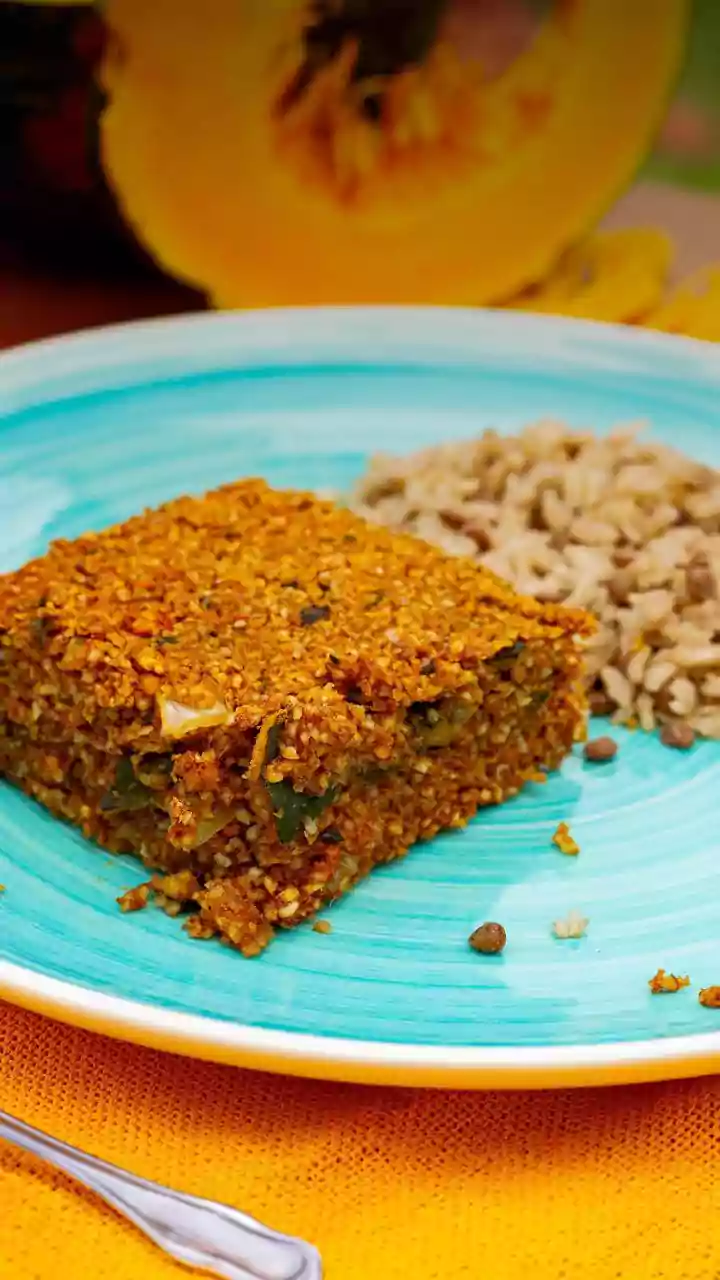
The health-conscious wave has also played a significant role, prompting a rediscovery of ancient Indian grains. Flours made from millets like ragi (finger millet) and foxtail millet are being used to create everything from chocolate cakes to brownies. These grains, which have been part of Indian diets for centuries, are often naturally gluten-free and packed with nutrients. Bakers are crafting ragi chocolate cakes that are surprisingly moist and light, and millet-based cookies that offer a wholesome alternative to those made with all-purpose flour. This shift not only caters to a demand for healthier options but also reconnects a new generation with the agricultural heritage of the country.
A Spice-Scented Revolution
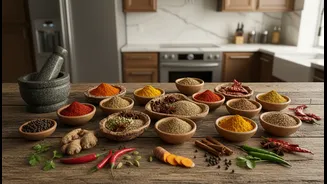
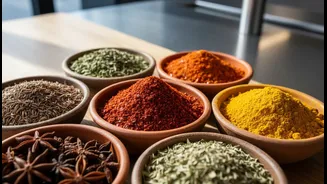
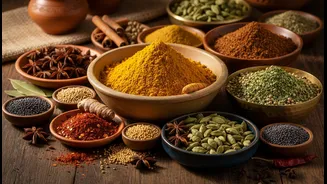
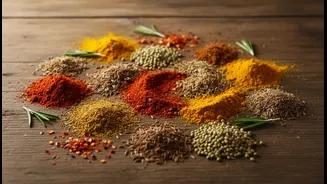
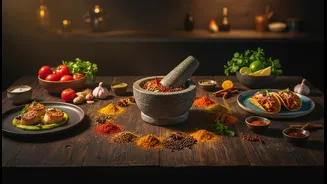
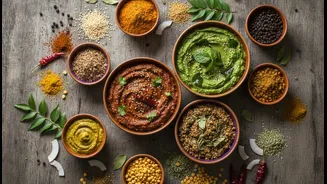
Indian spices are adding an entirely new dimension to Western-style desserts. While cinnamon is a baking staple worldwide, Indian bakers are reaching for cardamom, saffron, ginger, and even fennel to create more complex flavour profiles. Cardamom, with its aromatic and slightly floral notes, is finding its way into cheesecakes, shortbread cookies, and coffee cakes. Saffron, prized for its luxurious colour and aroma, is being infused into cream cheese frostings and sponge cakes. Even the beloved masala chai spice blend—a mix of cardamom, cinnamon, cloves, and ginger—is being used to flavour cheesecakes and cookies, offering the comforting taste of India's favourite beverage in a delectable new form.
A Delicious Expression of Identity
So why is this trend taking hold now? It's a confluence of factors. Increased global exposure through travel and the internet has made Western baking techniques more accessible than ever. Simultaneously, there is a growing sense of pride in India's own culinary traditions. This fusion of global and local is more than a novelty; it's a form of cultural expression. It creates flavours that are both innovative and deeply comforting, tasting of a childhood memory and a worldly adventure all in one bite. These desserts tell a story of a modern India that is confident in its past and excited about its future.