







From Crowded Beaches to Quiet Mountains
For years, the default vacation for young Indians often meant bustling beaches, crowded hill stations, or a checklist of popular tourist sites. Today, a significant shift is underway. An increasing number of travellers, particularly Gen Z and millennials,
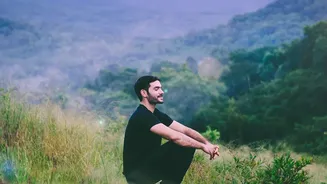
are replacing these conventional holidays with experiences rooted in nature, wellness, and self-discovery. This isn't just about escaping the city; it's about trading noise for quiet, itineraries for spontaneity, and luxury for authenticity. Reports show a clear move towards travel that prioritises personal growth and mental rejuvenation over just seeing the sights. Destinations like Rishikesh, the lesser-known valleys of Himachal, and the serene backwaters of Kerala are seeing a surge in younger visitors who are looking for more than just a party.
The Search for Silence and Self-Care
The post-pandemic world has intensified focus on mental health and work-life balance, directly influencing travel choices. Burnout and digital fatigue are pushing young professionals to seek holidays that offer a genuine reset. This has fueled the rise of wellness retreats, yoga camps, and digital detoxes. These are not just vacations but intentional journeys for healing. Travellers are actively seeking out meditation, sound healing, and mindfulness practices to combat the stress of modern life. This trend has even reshaped spiritual tourism; temple towns are now hubs for young people who blend pilgrimage with cafe hopping, journaling, and yoga, a trend dubbed “shrinecations.” The goal is no longer just exploration, but emotional and mental restoration.
Nature, Sustainability, and Conscious Choices
Alongside wellness, a deep appreciation for nature and sustainability is driving this change. A significant percentage of Indian travellers now say they are determined to travel more sustainably, and this is especially true for younger generations. This translates into choosing eco-friendly accommodations like homestays and regenerative farm stays over large hotels. There is also a growing preference for outdoor activities like trekking and hiking, and a desire to visit less-crowded destinations to minimise environmental impact. This conscious approach extends to supporting local economies, with travellers choosing experiences that benefit the communities they visit. The decision is not just about where to go, but how to travel responsibly.
Spontaneous, Shorter, and More Frequent Trips
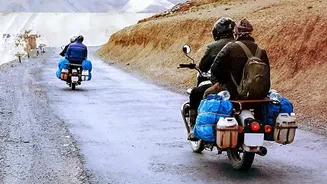
The structure of travel itself is changing. The long-planned, single annual vacation is being replaced by multiple, shorter, and more spontaneous trips. Recent surveys show a vast majority of Gen Z travellers prefer shorter getaways of under a week, which allows them to travel more frequently. This behaviour is fueled by a desire for flexibility and the ability to fit travel around work and life commitments. Many young travellers now book their trips within weeks or even days of departure, turning a free weekend into an opportunity for a quick escape. This shift away from rigid, long-term planning towards more impulsive and experience-driven travel marks a fundamental change in how the younger generation approaches their time off.