






Understanding the Monsoon Assault
The core problem during the monsoon is one word: humidity. The air is saturated with water, and our hair, especially if it's porous or damaged, acts like a sponge. The outer layer of the hair shaft, the cuticle, lifts to absorb this excess moisture. This
causes the hair to swell, leading to frizz and a rough texture. More importantly, this constant swelling and contracting weakens the hair's protein structure (keratin), making it prone to breakage. Furthermore, your hair is rarely ever fully dry. The persistent dampness not only weakens the shaft but also creates the perfect breeding ground for fungal and bacterial infections on your scalp, which is a primary cause of increased hair fall during this season.
The Scalp Is Your First Defence
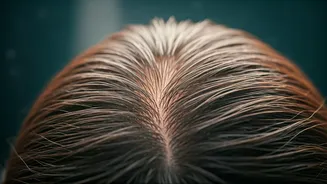
Forget fancy serums for a moment; strong hair begins with a healthy scalp. The damp, humid environment of the monsoon is a paradise for fungi like Malassezia, which can lead to dandruff, itchiness, and inflammation. This inflammation can weaken hair follicles, causing shedding. The 'secret' here is maintaining a clean and balanced scalp. Use a gentle, anti-fungal shampoo containing ingredients like ketoconazole, zinc pyrithione, or natural alternatives like tea tree oil or neem extract. Wash your hair at least two to three times a week to prevent build-up of oil, sweat, and pollutants. Most importantly, never tie up wet hair. Allow your scalp and hair to dry completely to rob fungal infections of the damp environment they need to thrive.
Strengthen from the Inside Out
Topical treatments are only half the story. Your hair is primarily made of protein, so ensuring you have a protein-rich diet is non-negotiable for strength and growth. Foods like eggs, lentils, chickpeas, fish, and yoghurt provide the essential building blocks. Additionally, deficiencies in iron, zinc, and biotin are strongly linked to hair loss. During the monsoon, when infections can deplete your nutrient stores, it's crucial to focus on a balanced diet rich in leafy greens, nuts, seeds, and fruits. Hydration is also key. Drinking enough water helps maintain overall health, including that of your hair follicles, ensuring they get the nutrients they need to produce strong strands.
Your Monsoon Hair Care Ritual
This season demands a slight shift in your routine. Start with a light oil massage using coconut or almond oil an hour before washing. This forms a protective barrier, preventing the hair from absorbing too much water and swelling excessively (a phenomenon known as hygral fatigue). After shampooing, always use a conditioner, but apply it only from the mid-lengths to the ends. This seals the hair cuticle, reducing frizz and adding a layer of protection without weighing down your roots. Once a week, use a protein-based hair mask to replenish and strengthen the hair shaft. Look for masks with keratin, amino acids, or hydrolysed wheat protein.
Smart Styling and Protection
Heat styling is always damaging, but it's especially risky on hair that's already weakened by humidity. Minimise the use of flat irons and curling wands. If you must use them, apply a good heat protectant first. Instead of tight ponytails or buns that can pull on fragile roots, opt for loose braids or simple updos that keep hair off your neck and face, allowing your scalp to breathe. A final rinse with cool water after conditioning can help seal the cuticles further, locking in moisture and boosting shine. Lastly, avoid harsh chemical treatments like colouring or straightening during this season, as they make your hair more porous and vulnerable to humidity-induced damage.